


Vertical equipment
When you need to go deeper
Climbing systems
Your climbing system is your lifeline underground. It’s how you ascend out of pits, cross traverses, and move through vertical cave systems. Whether you’re hauling out of a 100-foot drop or inching along a tensioned traverse line, your vertical rig is what keeps you progressing. There’s no universal “best” system; each setup has its pros, cons, and ideal use cases depending on cave conditions, rigging style, and personal preference. For a deep dive into vertical techniques and system breakdowns, check out fellow caver Derek Bristol’s channel, or for the gear list breakdown, visit Bennett Lee’s Website.
01
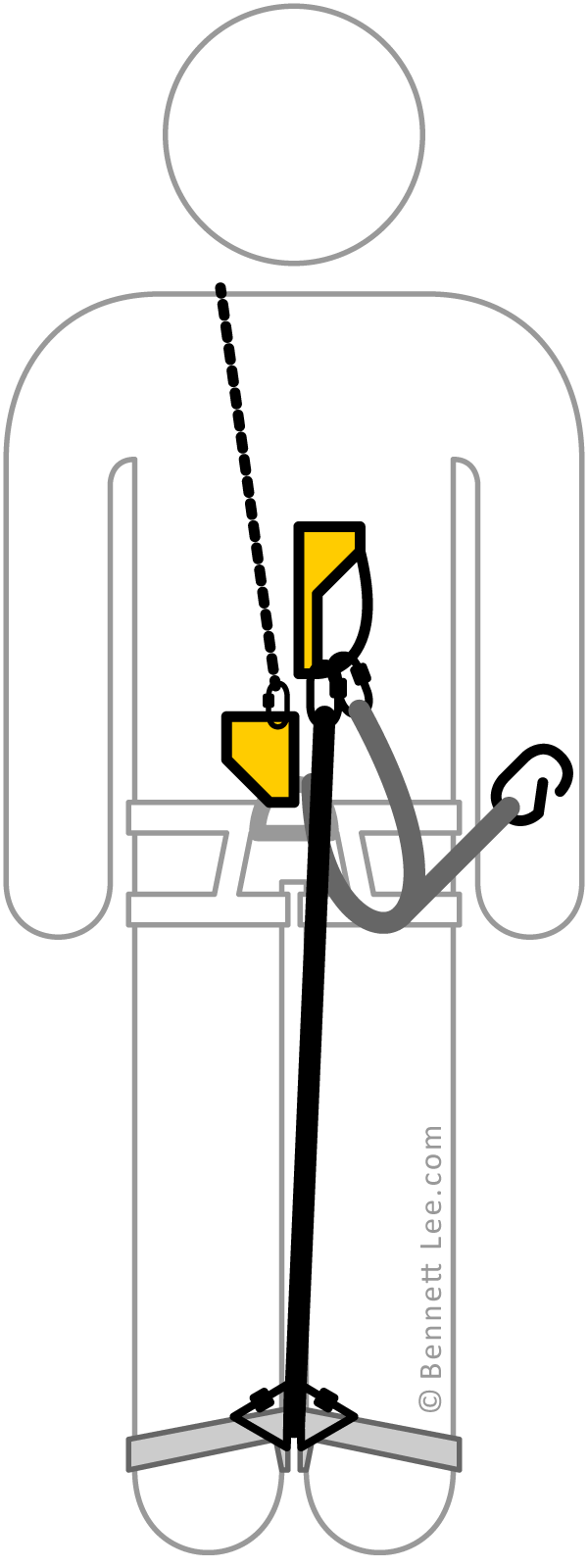
Frog
The most commonly used system worldwide. It’s simple, compact, and efficient for tight caves and rebelays. It uses a chest ascender, hand ascender, and a foot loop. Pair it with a foot ascender to make a frog runner to add power and efficiency.
02
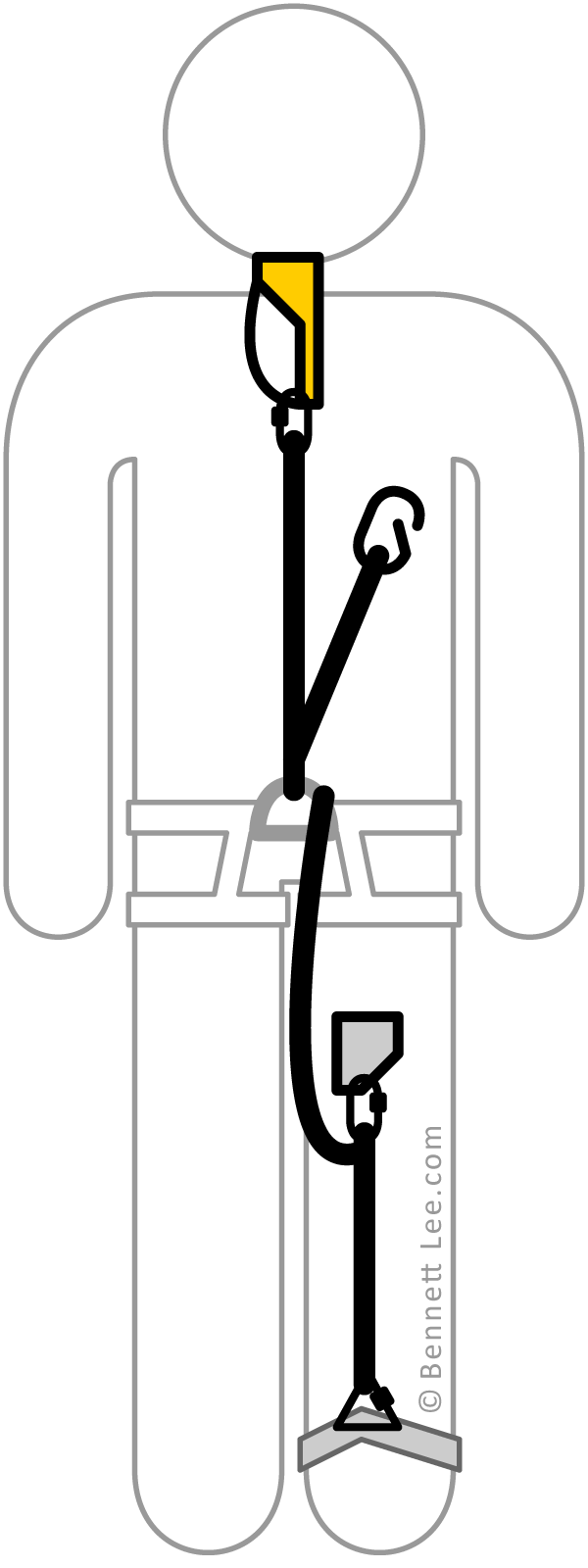
Texas
A classic U.S.-style setup using a hand ascender with a foot loop and a separate tethered foot ascender or QAS. It’s modular and minimal, great for long, free-hanging pitches, but can be tiring and isn’t ideal for rebelays or tight passages.
03
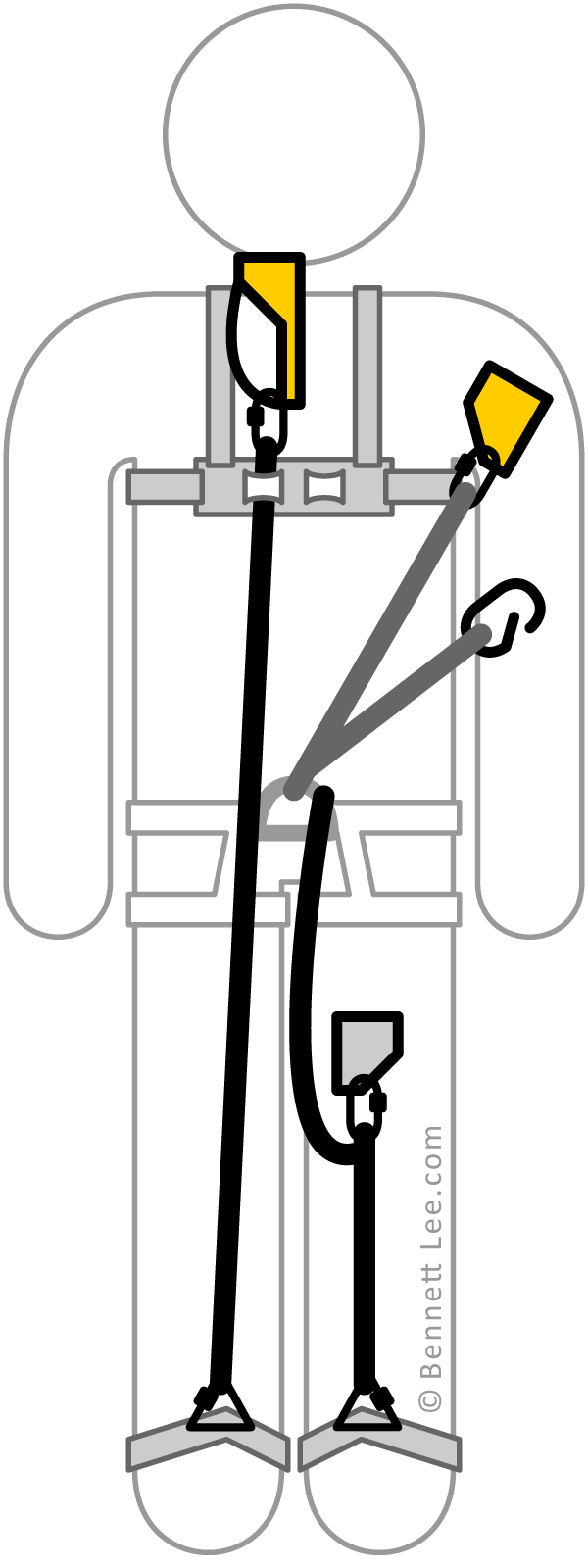
Mitchell
A hybrid between Frog and Rope Walker, using a floating hand ascender with a foot loop attached to the chest ascender. It gives upright climbing efficiency while staying compact and manageable in tighter caves. Good middle ground for varied terrain.
04
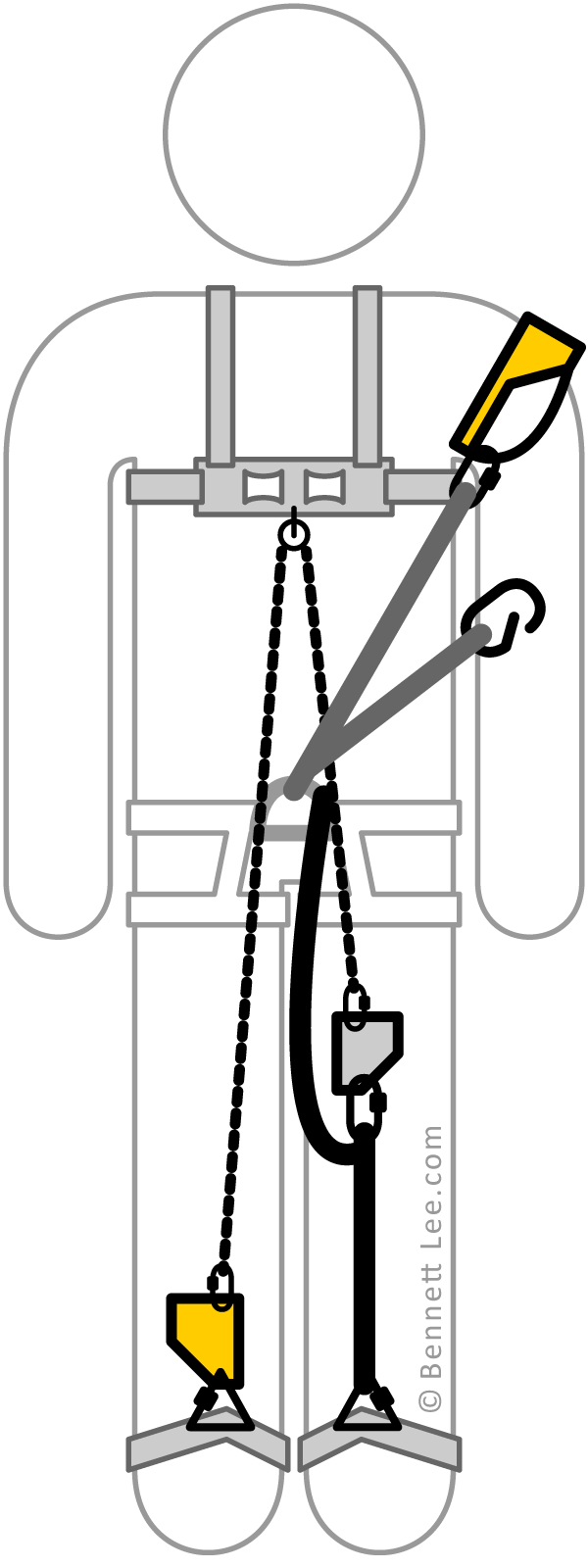
Rope Walker
Built for clean, uninterrupted vertical shafts. This system uses foot and knee ascenders to allow near-upright walking on rope, extremely efficient for big climbs, but bulky and less suited for complex rigging or rebelays.
Harnesses
01
Seat harness
The core of every vertical system.
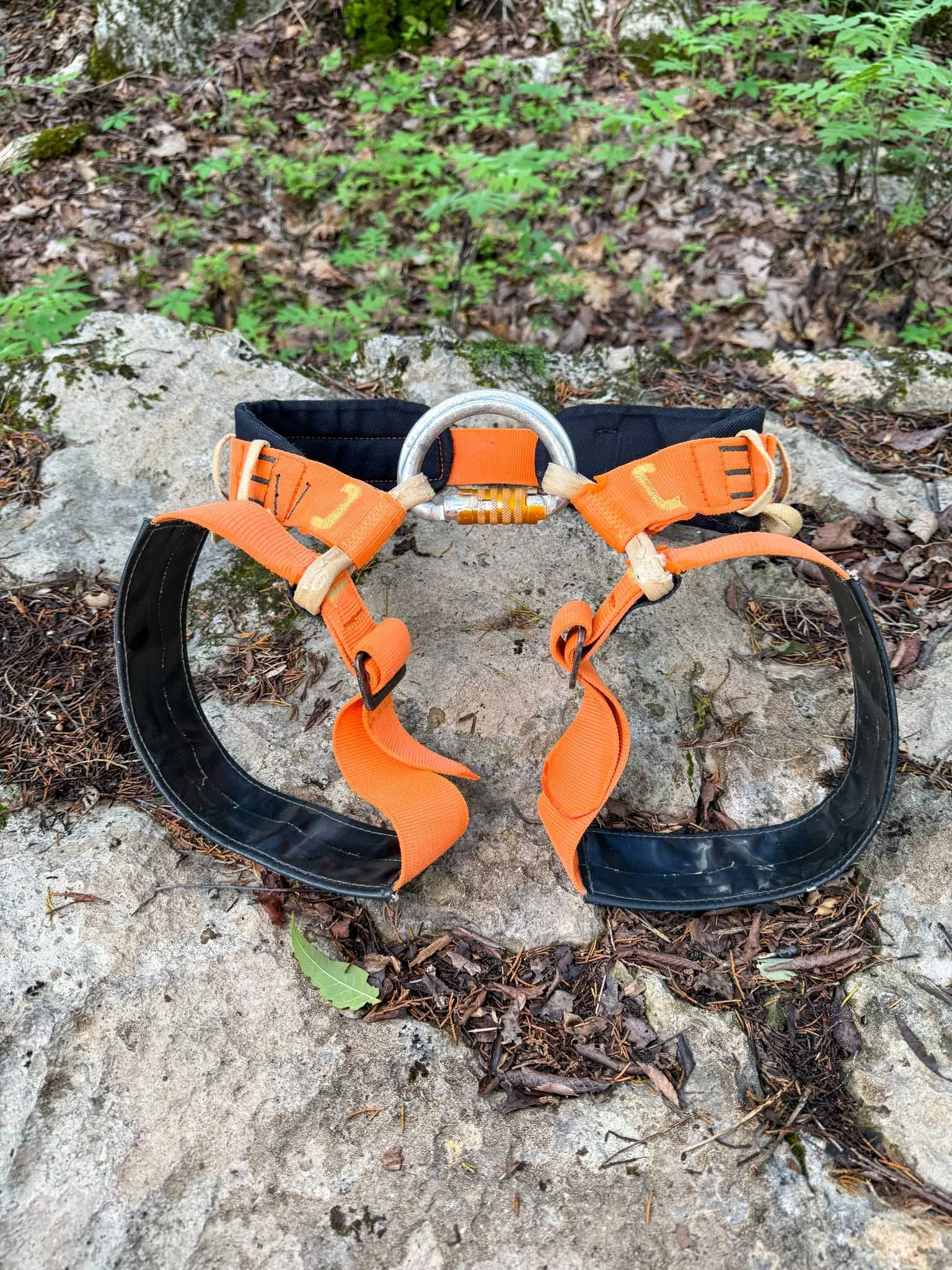
There are a lot of solid cave harness options out there. I currently use the Petzl Aven, and it’s been my favorite so far. It’s super durable, well-padded, and reliable on rugged trips. That said, you must use a D-link carabiner (tri-lock or screw-lock) to properly secure a cave harness. It’s the central point for your system, and nothing else should be used.
The Superavanti is a lighter version of the Aven with less padding. It’s more compact, but less comfortable for long trips. The MTDE Amazonia 2 is another great option: comfortable and budget-friendly, though a bit bulkier. All of these are cave-specific and built for tough conditions. Your choice depends on fit, durability, and what feels right when you’re hanging from it.
02
Chest harness
Holds your chest ascender in place while climbing.
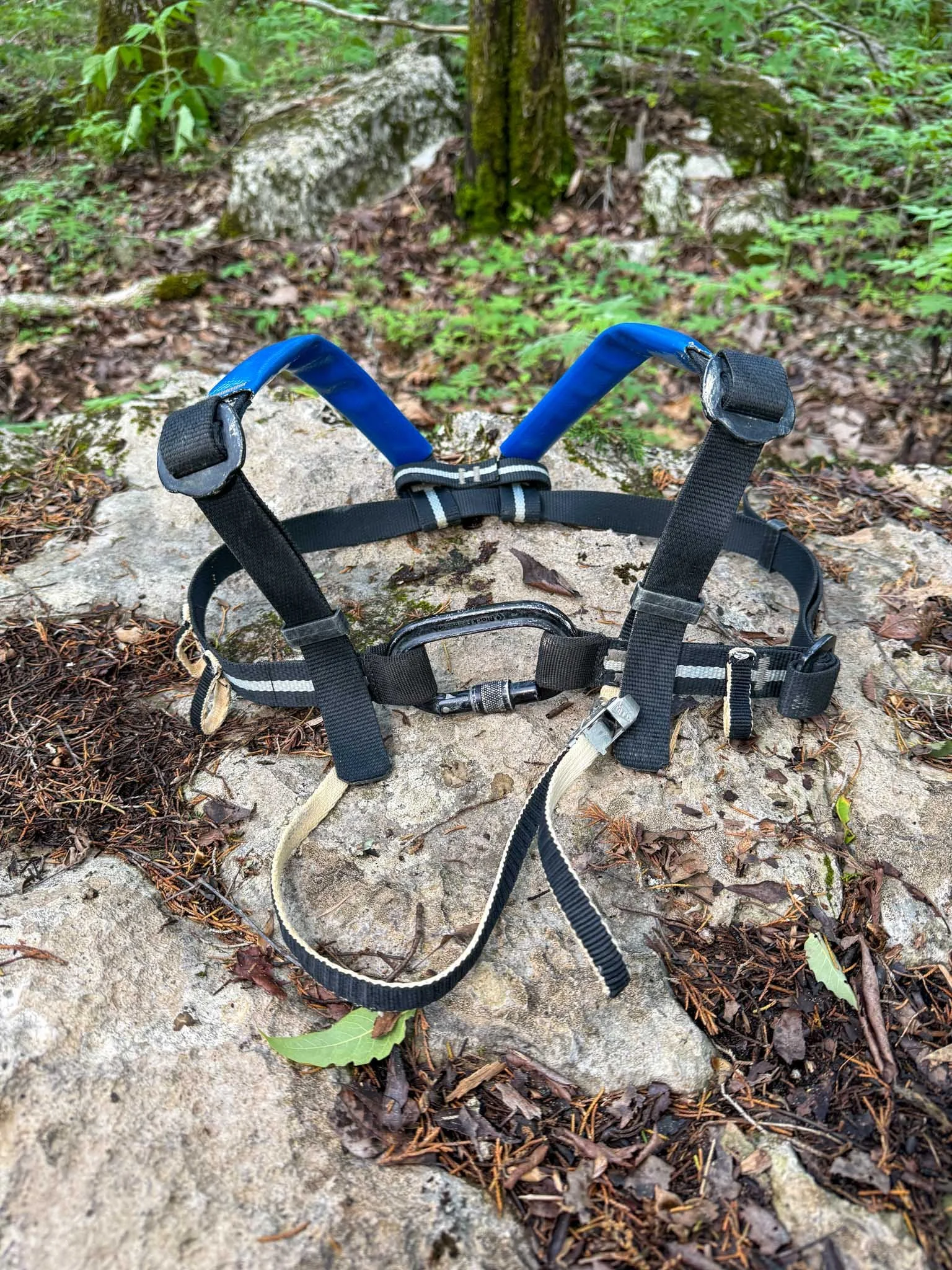
Chest harnesses aren’t load-bearing; they’re just there to keep you and your chest ascender upright while you climb. I used to use the Petzl Torse, which is as simple as it gets: one strap, no padding, and ultra-lightweight. It works fine, but on long climbs it dug into my shoulders and left me pretty raw.
Now I use the MTDE Garma. It’s padded, super adjustable, and has chest loops for attaching accessories. It’s bulkier than a basic strap or bungee, but the comfort is worth it for long vertical days. You can get by with just a bungee, but if you want durability and comfort, the Garma is the one to use.
Ascenders
01
Hand ascenders
Clips to the rope and gives you upward pull
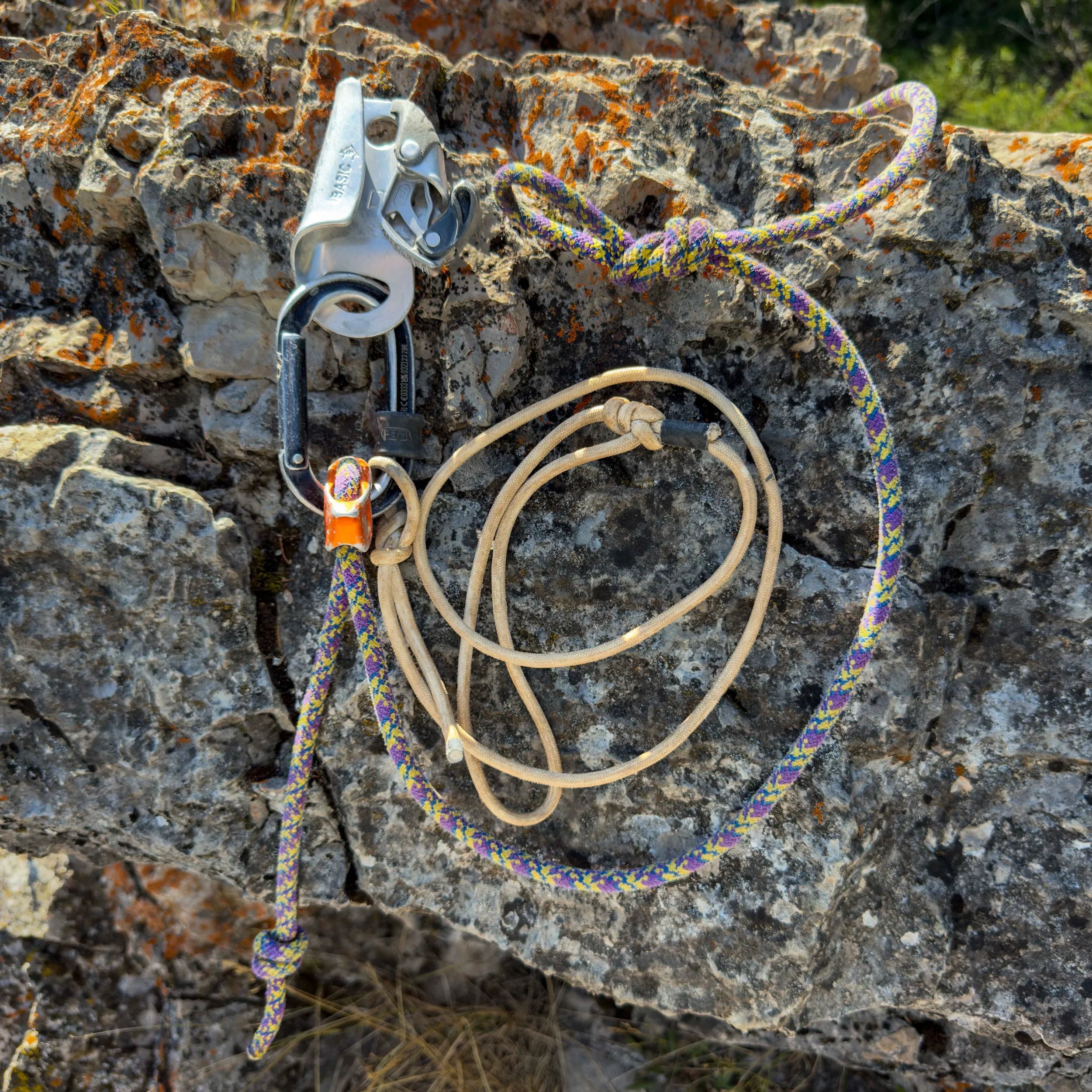
I currently use the Petzl Basic. It’s reliable, durable, and works well across most caving rope diameters. I’ve also tried the Kong Futura, which feels smoother on thinner ropes but less versatile overall. A large number of cavers rock the Petzl Ascension. It’s like the Basic but has a handle for easier use and leverage. Many brands like Black Diamond, Camp, Edelrid, and many more make handled ascenders. Find what works best for you and rock it.
02
Chest ascenders
Your main capture point while climbing; keeps you upright and takes most of the load.
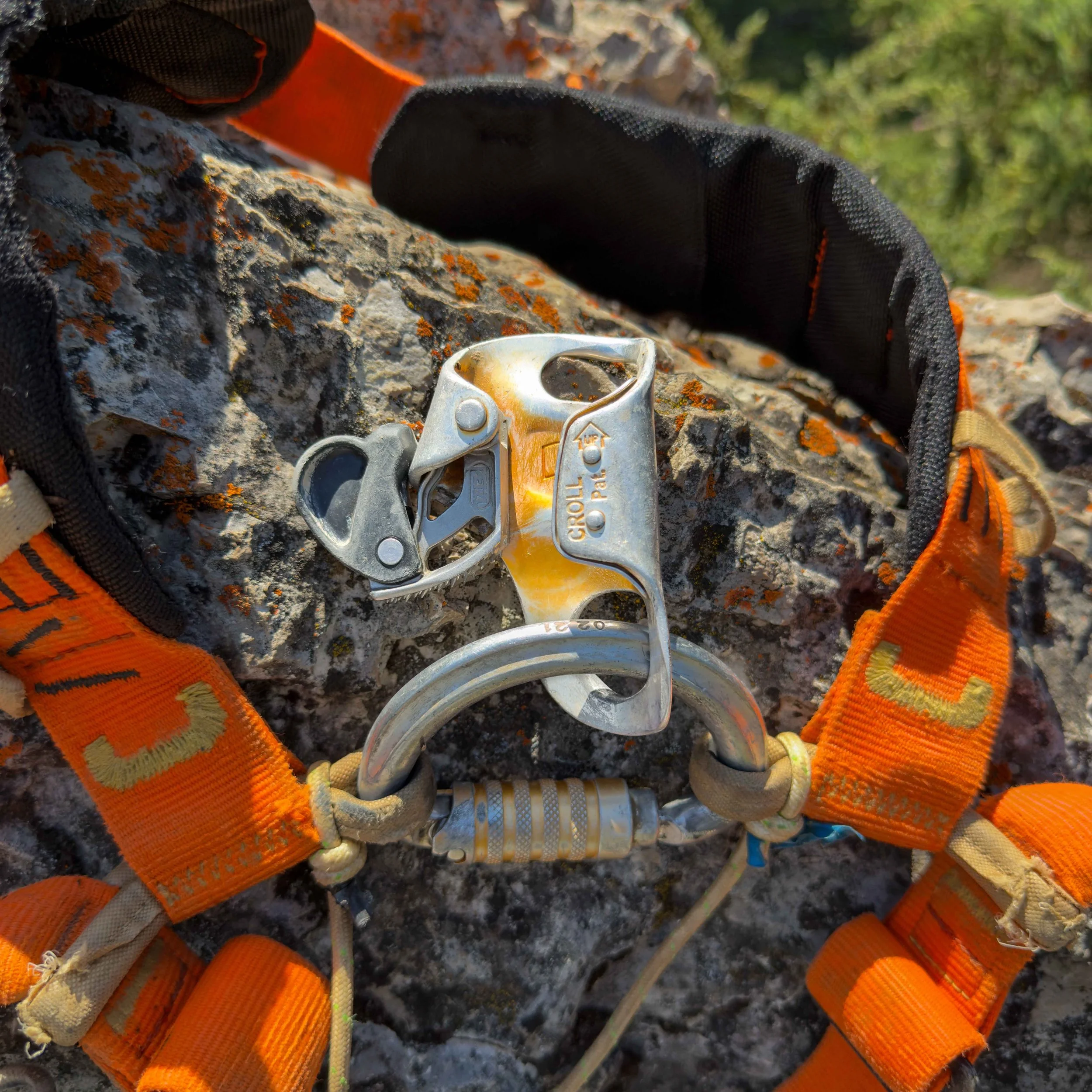
I currently use the Petzl Croll S, which has been the most efficient for my style of climbing. It handles thinner ropes really well, even in muddy conditions, and gives a smoother, more consistent experience than some other brands of chest ascenders.
I’ve also used the Croll L and Kong chest ascenders, which are both great, but can feel a bit less stable on smaller diameters. There are plenty of options on the market; it just depends on your rope size, conditions, and personal preference.
03
Foot ascenders
Boosts rope climbing efficiency by keeping your body aligned and feeding your chest ascender.
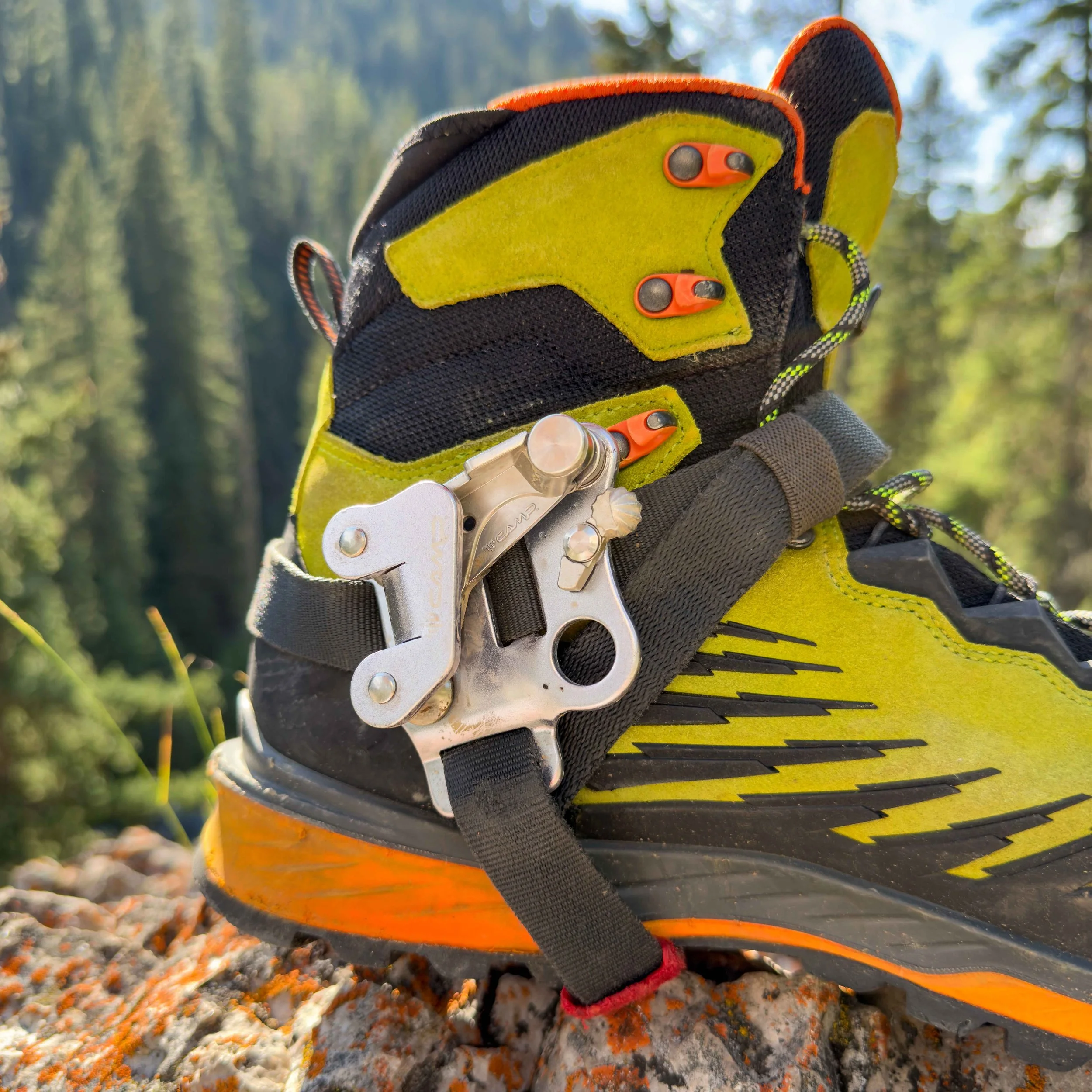
I use the CAMP Turbofoot currently. I previously used the Petzl Pantin Left, but it’s worth noting that it doesn’t come with a locking catch; you have to buy and install that separately. I personally preferred having it for added security, but some cavers climb without it just fine.
I’ve also tried Kong’s foot ascender, which performs similarly but has the same catch issue. Most folks stick with Petzl for their foot ascender, but like everything in vertical caving, it comes down to personal style and preference.
Descenders
01
Racks
Full-length racks offer smooth, controlled descents on long drops or with heavy loads.
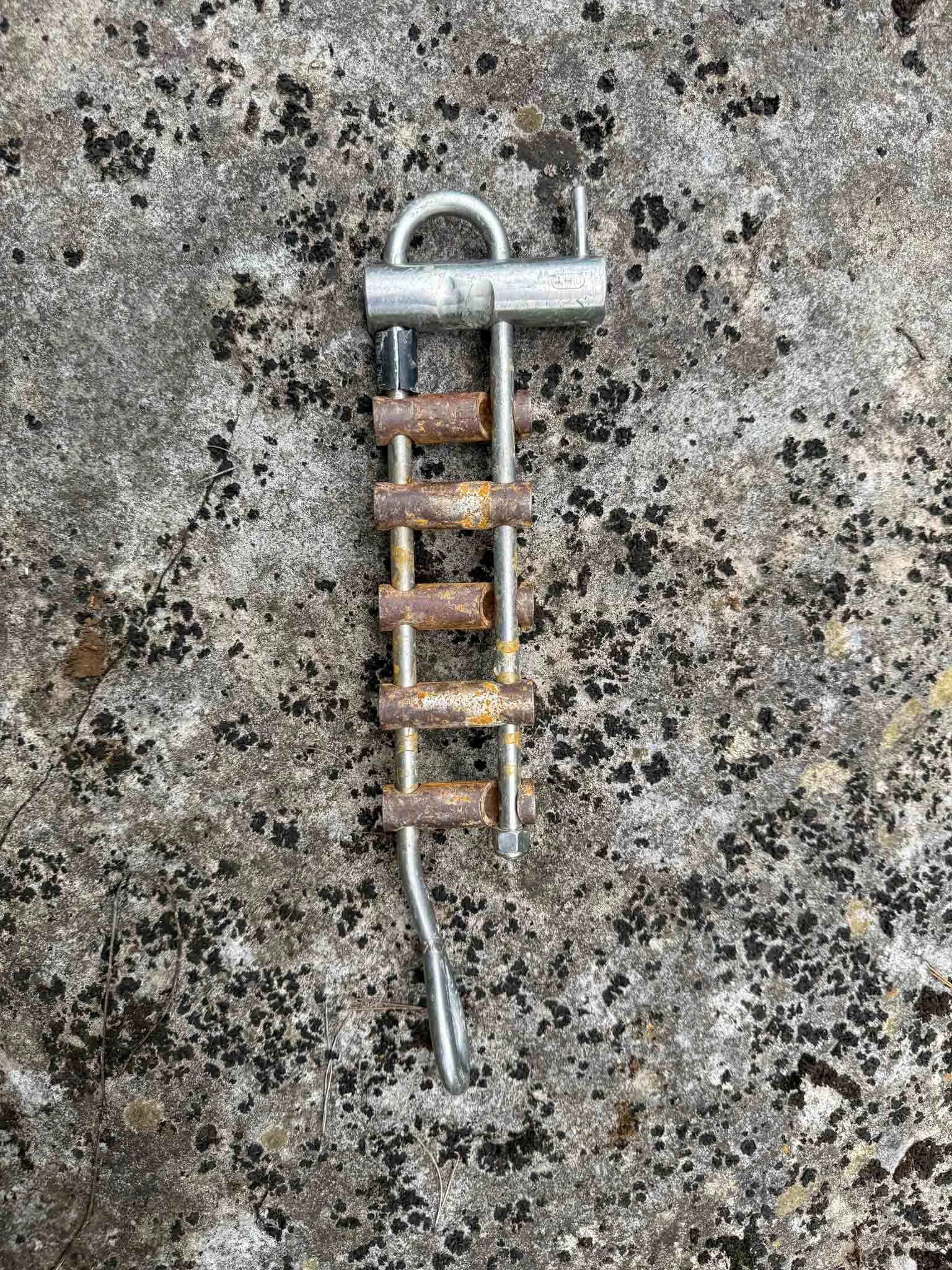
A 14-inch full rack with six stainless steel bars is the standard for big vertical drops. Stainless bars last longer and provide a smoother descent. Aluminum bars offer more friction but wear down fast and can coat your rope.
I recommend a hyper bar on top to make lock-offs smoother and give you an emergency friction option. Some cavers add a flipped hyper bar as their third or fourth bar down for extra wrap-around control..
02
Micro racks
A compact version of the full rack. It’s lighter, shorter, and ideal for most caving scenarios.
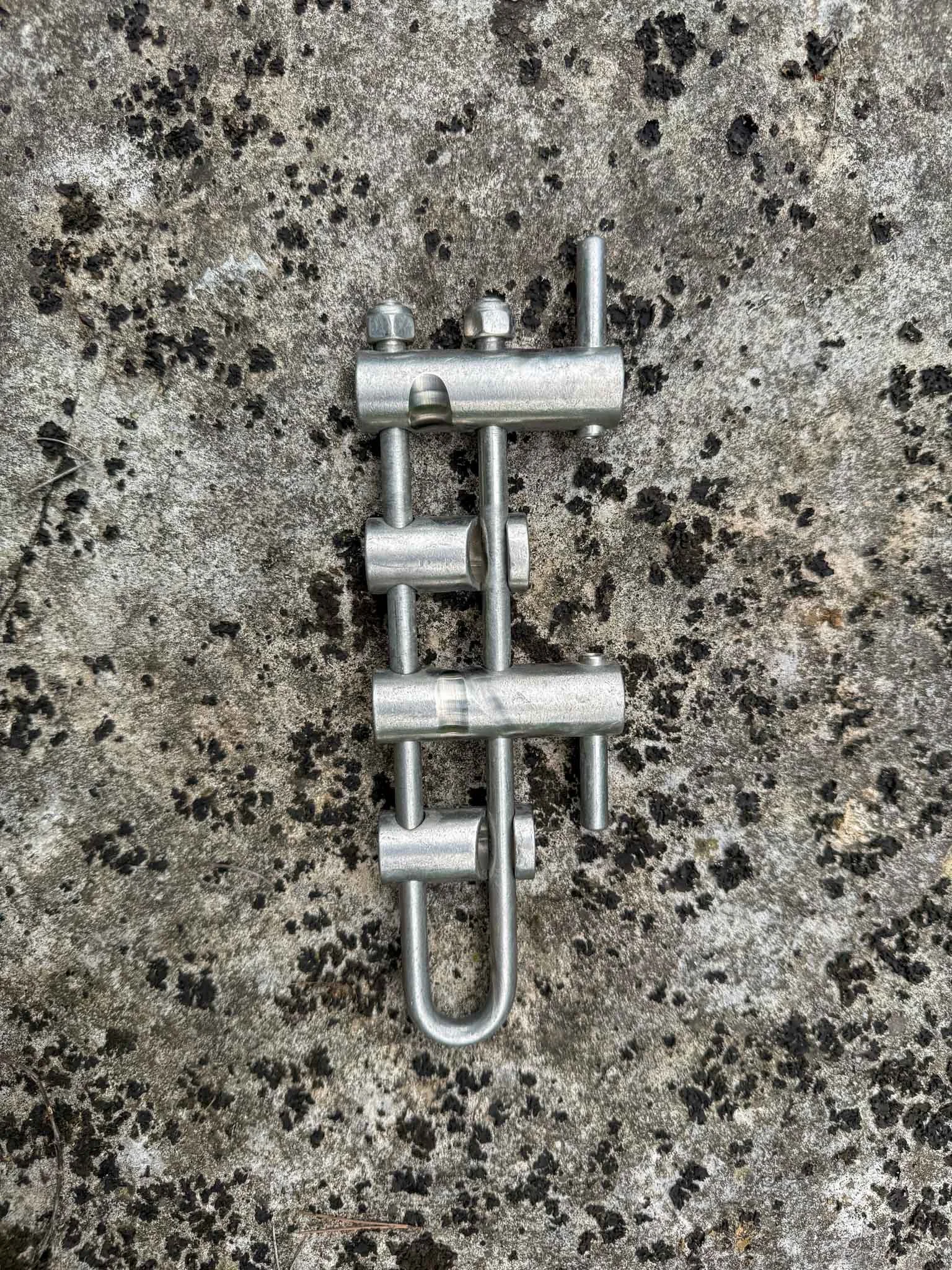
My go-to is a BMS Micro Rack with a top hyper bar and another flipped further down. It’s compact, stainless steel, and handles almost everything you throw at it.
Micro racks aren’t ideal for thicker ropes or muddy 11mm lines, but for most situations, they offer plenty of control and are easier to manage than a full rack. It all comes down to rope type, comfort, and attachment style.
03
Bobbins
Smaller and simpler than racks, bobbins are fast to rig and great for shorter or technical drops.
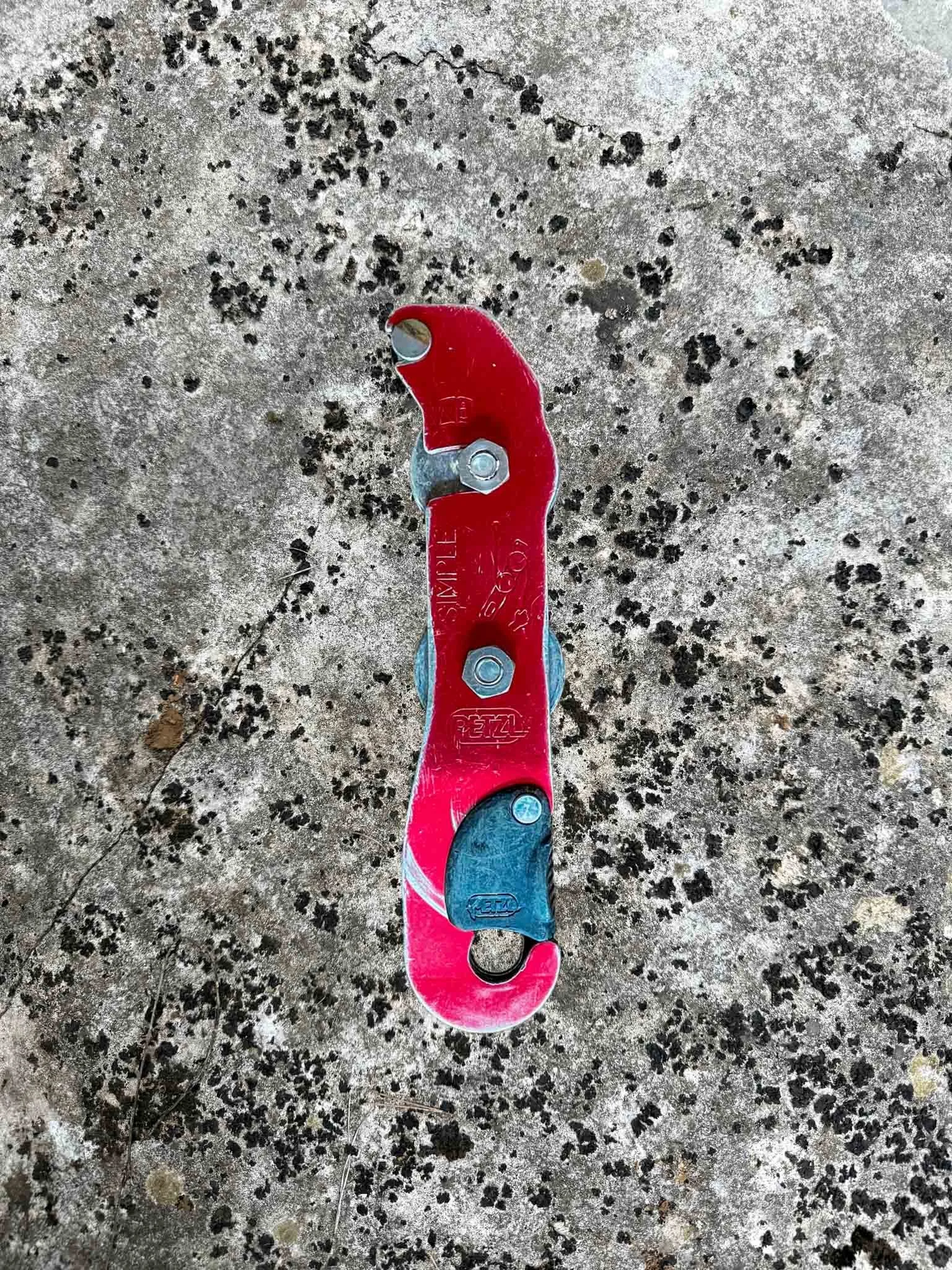
Bobbins are simple, compact, and great for short to moderate drops. They come with aluminum spools, but you can mod them with stainless steel spools for longer-lasting performance.
It’s critical to pair a bobbin with a friction spur like a Petzl Freino Z or Raumer Handy. They’re not ideal for long drops, but they’re fast, efficient, and fun to use.
Cow’s tails and QAS
These are your personal safety tethers used for clipping into bolts, rebelays, or traverses.
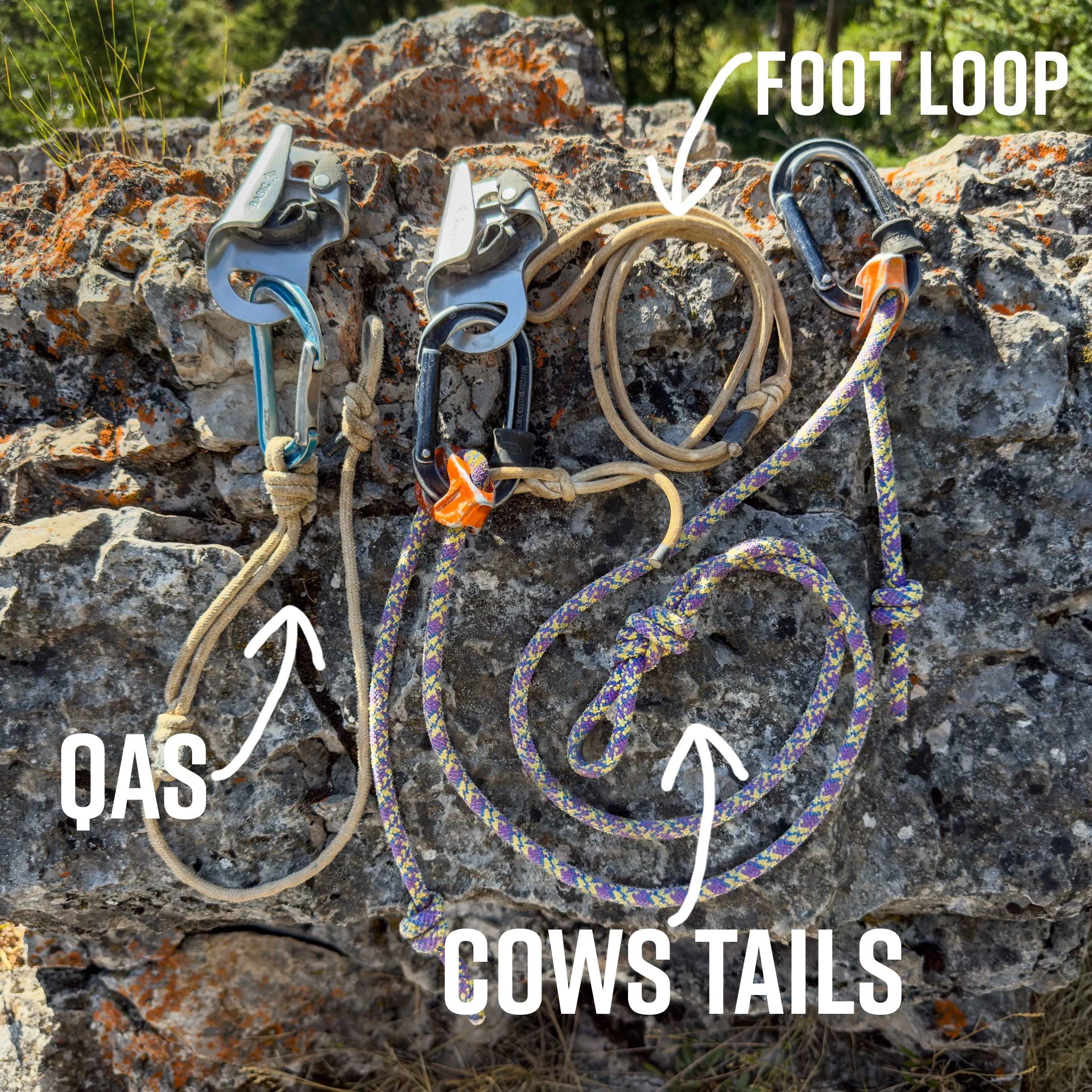
My cow’s tail and QAS setup are built from a single piece of dynamic rope tied into two separate lengths. One reaches the bottom of my chin, the other about halfway up my face. Both are connected with a figure-eight or butterfly at the base, finished with triple barrel knots for extra security if shock-loaded.
I clip a chest ascender or hand ascender (like the Petzl Croll S or Basic) into one of those arms depending on what I’m doing. It’s perfect for tricky changeovers, tensioned ropes, and staying clipped in at all times.
This is what gets you in and out of the depths; this is where strength and trust matter most.
Rope - Pink line 8.5mm

Pink Line was designed by Me and Adrian Ballard for those who demand a thin, ultra-stiff, and very PINK rope. By utilizing a 43% polyester sheath with a high-tension weave, we’ve achieved the rigid handling cavers prefer. Inside, the braided polyester core provides superior dimensional stability, ensuring the rope stays round under load and stands up to long-term abrasion.
NOTE: Let’s talk about the PINK elephant in the room: this rope is skinny. If you aren't used to small diameters, pay attention. You can die at the bottom of a perfectly good rope if you lose control and "fast-rope" into the floor.
Carabiners
Secures your rope to the rigging
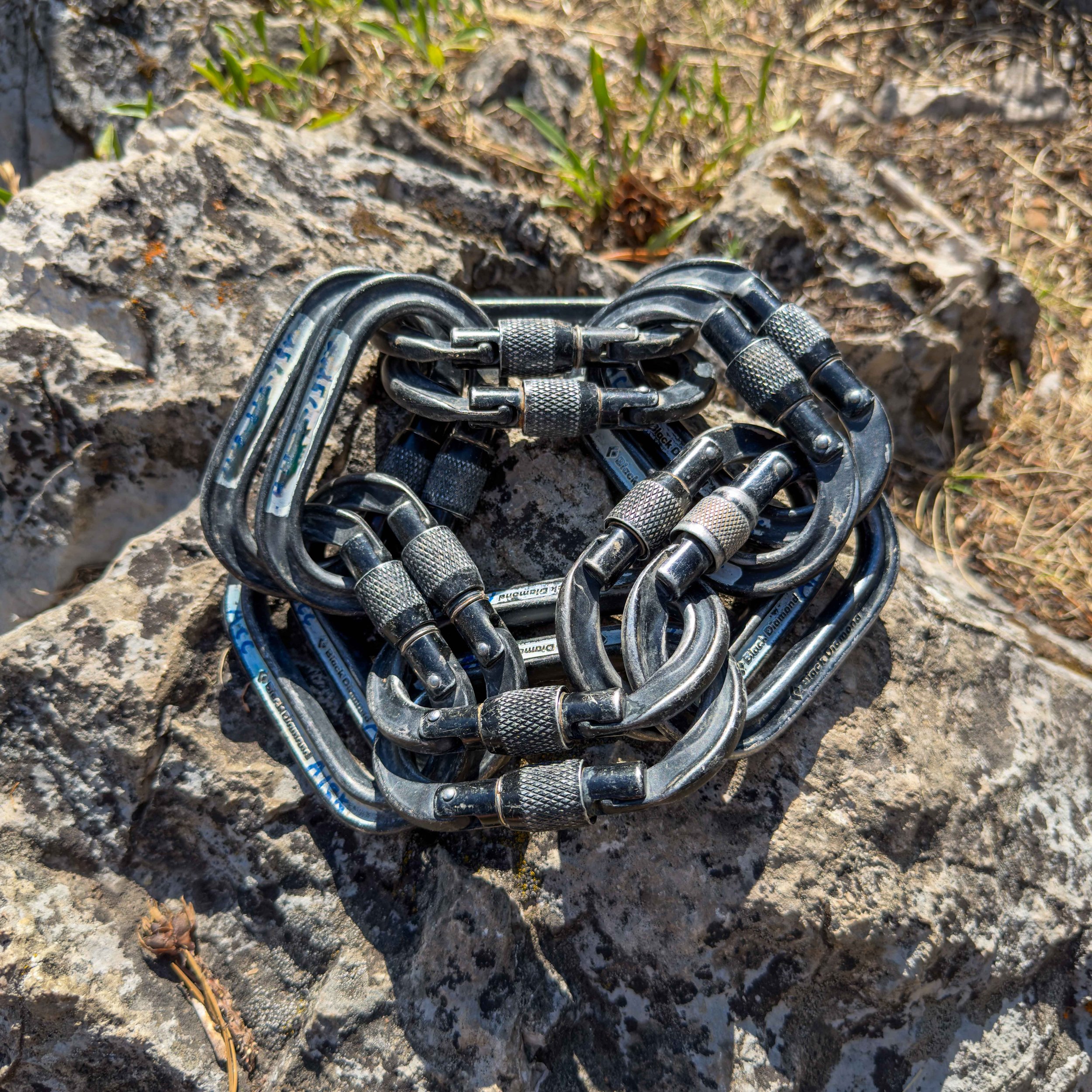
For hardware, always go with locking carabiners for rigging and safety systems. I prefer oval or pear-shaped screw gates like the Black Diamond Oval Keylock, Hot Forged Screwgate, or the Petzl OK Screw Lock. As long as it’s a rated, durable, locking, oval or pear, carabiner, you’re set.
COMMS
When yelling “off rope” doesn’t cut it, a radio makes communication clean, clear, and easy.

I use Rocky-Talkies on almost every vertical trip. Especially for long or loud drops where voice communication just isn’t practical. Whether it’s Fantastic Pit, a high-flow entrance like Incredible, or just a noisy drop, these radios make life way easier. Clear comms between top and bottom can make a big difference in both safety and flow.
Rocky-Talkie