

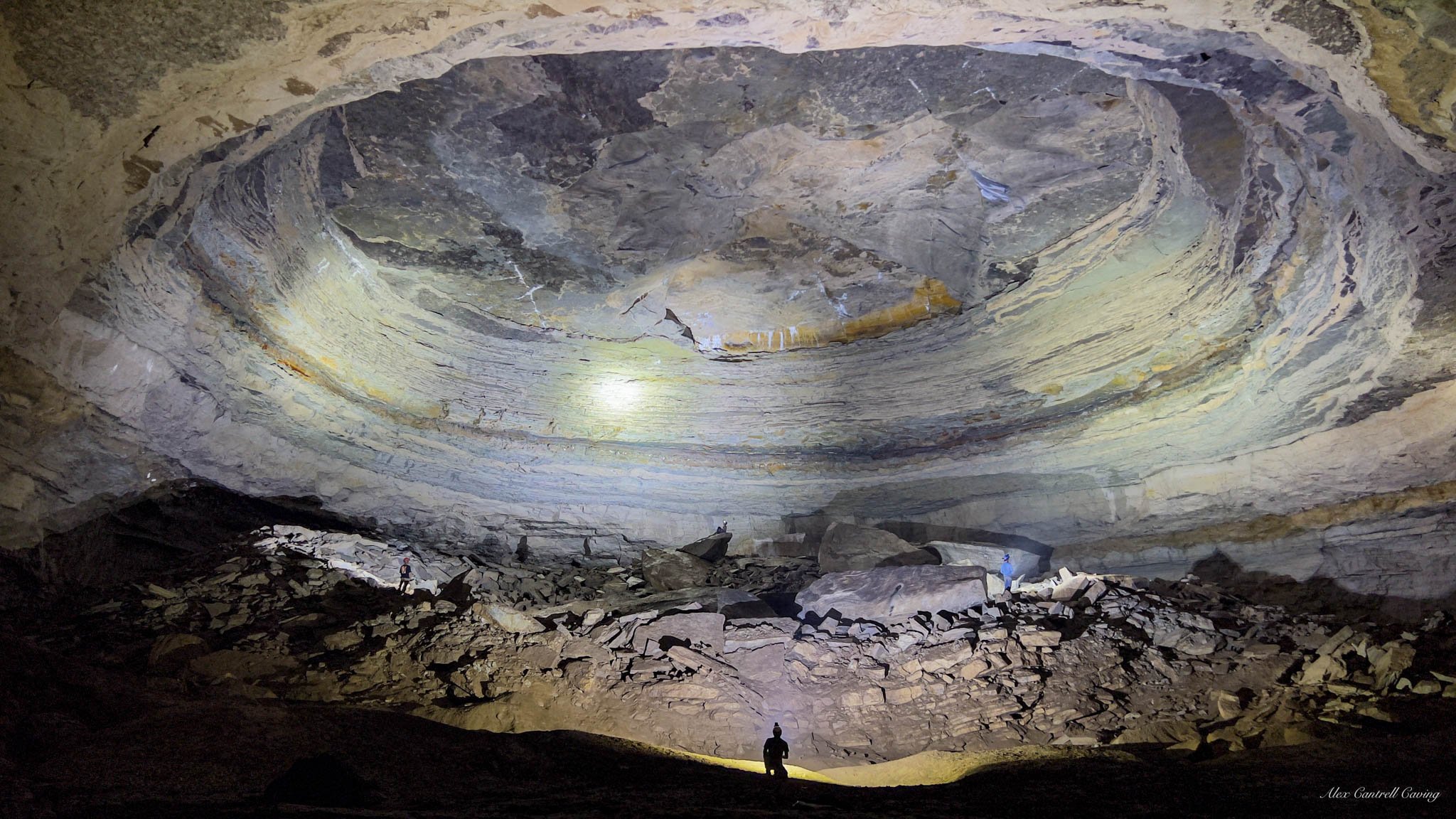
intro to caving
A Brief History of Caving
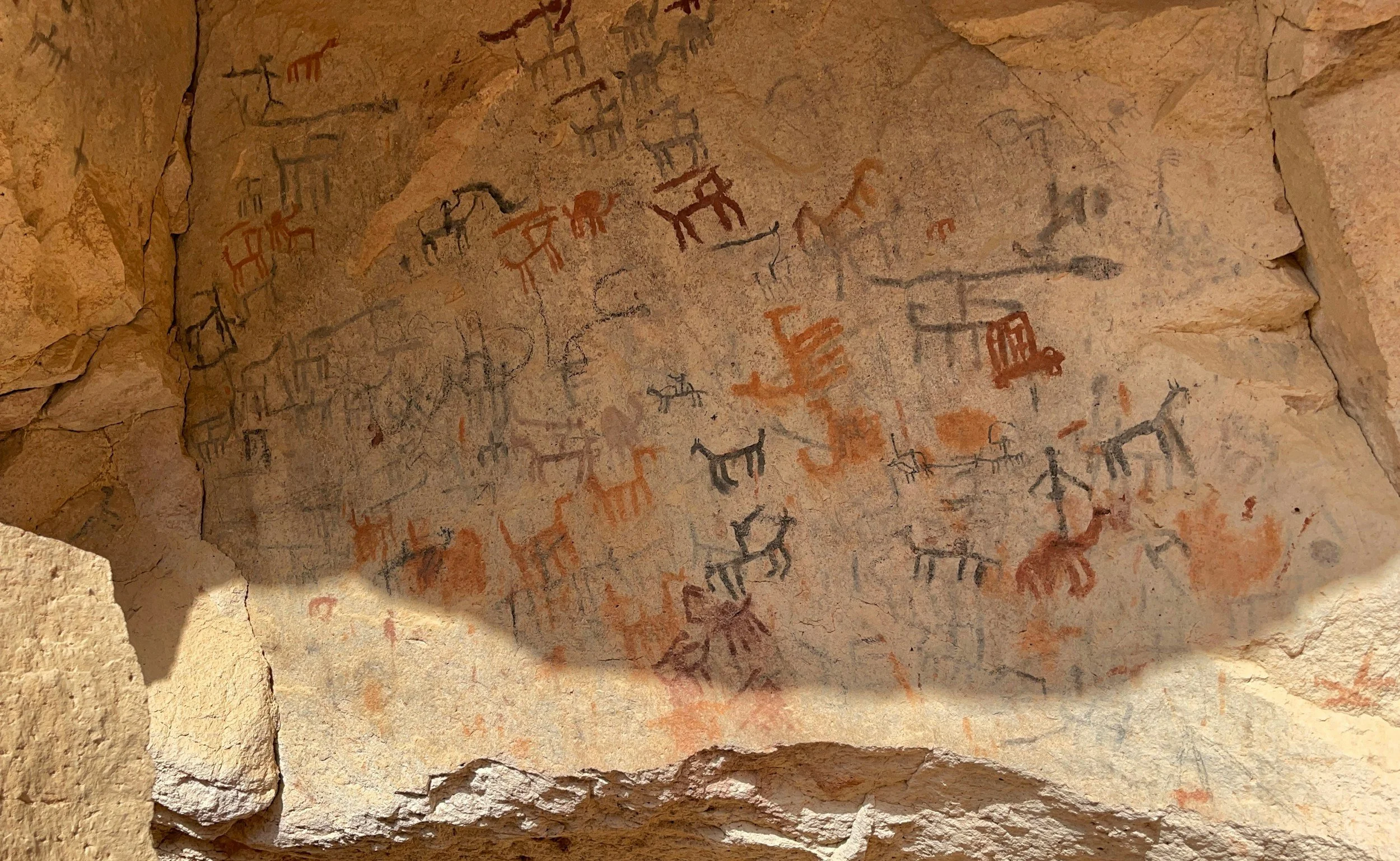
Caves are probably one of the first places humans ever explored on purpose. Long before anyone called it a hobby, people were using them for shelter, burial, and for something closer to art and ritual. The painted caves at Lascaux and Chauvet in France are over 17,000 years old, and sites like them show up on nearly every continent. For most of that history, going into a cave meant going as far as daylight or a torch would carry you. Deep cave systems, the kind that we explore today, remained untouched because nobody had a way to get through them safely.
That started to change in the late 1800s, largely through the work of a French lawyer turned cave explorer named Édouard-Alfred Martel, who's often credited as the father of modern speleology. Martel treated caves as something to be surveyed and understood rather than just entered. He pioneered a lot of the exploration methods, ladders, ropes, and basic mapping, that later cavers built on. His approach spread across Europe and eventually to the U.S., where cave exploration picked up through the early 1900s as more people started documenting caves instead of just visiting them.
The biggest shift after that came with vertical technique. Early cavers descended pits on wooden or wire ladders, which was slow and dangerous. SRT (Single rope technique), using mechanical ascenders and descenders to move up and down a single fixed line, didn't really take hold until the mid-1900s, and it's what turned deep vertical caves from rare, expedition-level undertakings into something a trained caver could do on a weekend trip. That single change is a big part of why modern caving looks the way it does.
How I Got Into Caving
Maybe you discovered it through social media, show caves, billboards, finding one on a hike, or good ol friends. However you found it, welcome to the underground!
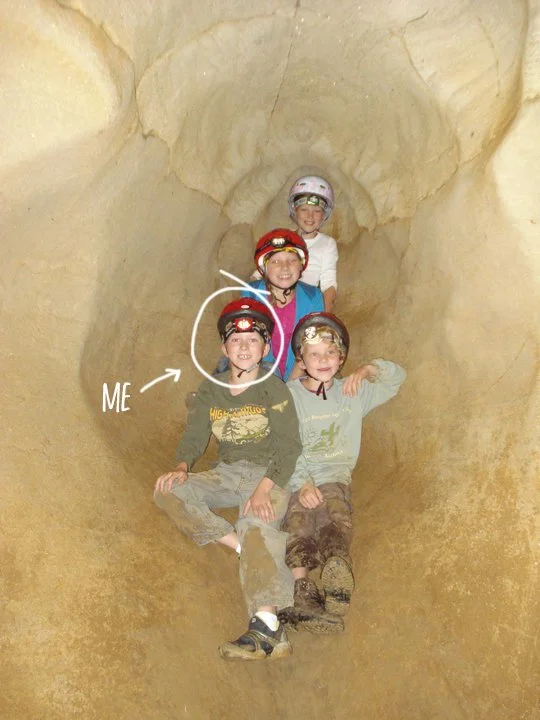
For myself, I just so happened to grow up in the epicenter of caving in the United States! The heart of it, actually, and one of the most cave-dense counties in the whole country, Jackson County, Alabama. This area is also referred to as the “TAG” region - short for Tennessee, Alabama, and Georgia. Growing up, my family had hunting leases and farmland, so I was always playing in the woods, and it didn’t take long to find these mysterious holes that led into the Earth. Being a curious kid, I found myself going to these places to escape the hot southern summers (IYKYK).
My journey in caving really took off in high school when a buddy of mine expressed a shared interest in these places. His dad was certified in all kinds of rope techniques and had already been taking him on trips underground. Conversations about caving slowly turned into his dad teaching us SRT in the trees around their house, then going on recreational trips to the open caves in the area. From there, I knew this was going to be a big part of my life.
After high school, I finally learned about organized caving through the NSS and grottos. My first experiences with grottos were rough… Like many youngsters who walk into a room full of adults, I was not taken seriously. I was gatekept from trips and knowledge that should be open to anyone with the curiosity to explore the underground. It pushed me away from the community for a while, but a couple of years later I was invited to join my first cave project (shoutout Aidan!), which was a much more welcoming experience into the community. This was the beginning of my deep dive into projecting caves, which included learning to map/explore with more advanced techniques, going on expeditions, and meeting some of the best people I still know today!
Why Caving Matters
Caving is one of the last true frontiers of exploration
I will never forget the first time I realized I was somewhere no human had stood or seen before. Getting to explore these places is such a privilege and it should be treated as such. Every time you enter a cave, you are offered an opportunity to become a part of something more than yourself. Walking through these passages carved in ancient seabeds, make sure to take a look around; notice the layers in the walls, the fossils, the life that lives in these impossible places, and how they have adapted to survive.
Caves are so much more than a place to hang out and explore, they are a transport for the water you rely on to live. In many karst regions across the world, cave systems directly feed the springs that supply entire towns with drinking water. Knowing where these caves are and protecting them helps prevent contamination, protects the life inside them, and keeps our water sources clean.
Caves also host some of the most unique and delicate ecosystems on the planet. Entire species of fish, insects, and salamanders have evolved in complete darkness. Many of these species exist nowhere else on Earth. The biodiversity inside caves is fragile, and in some cases, still completely unknown to mankind. If we neglect these systems, we risk driving rare species to extinction before they’re even discovered.
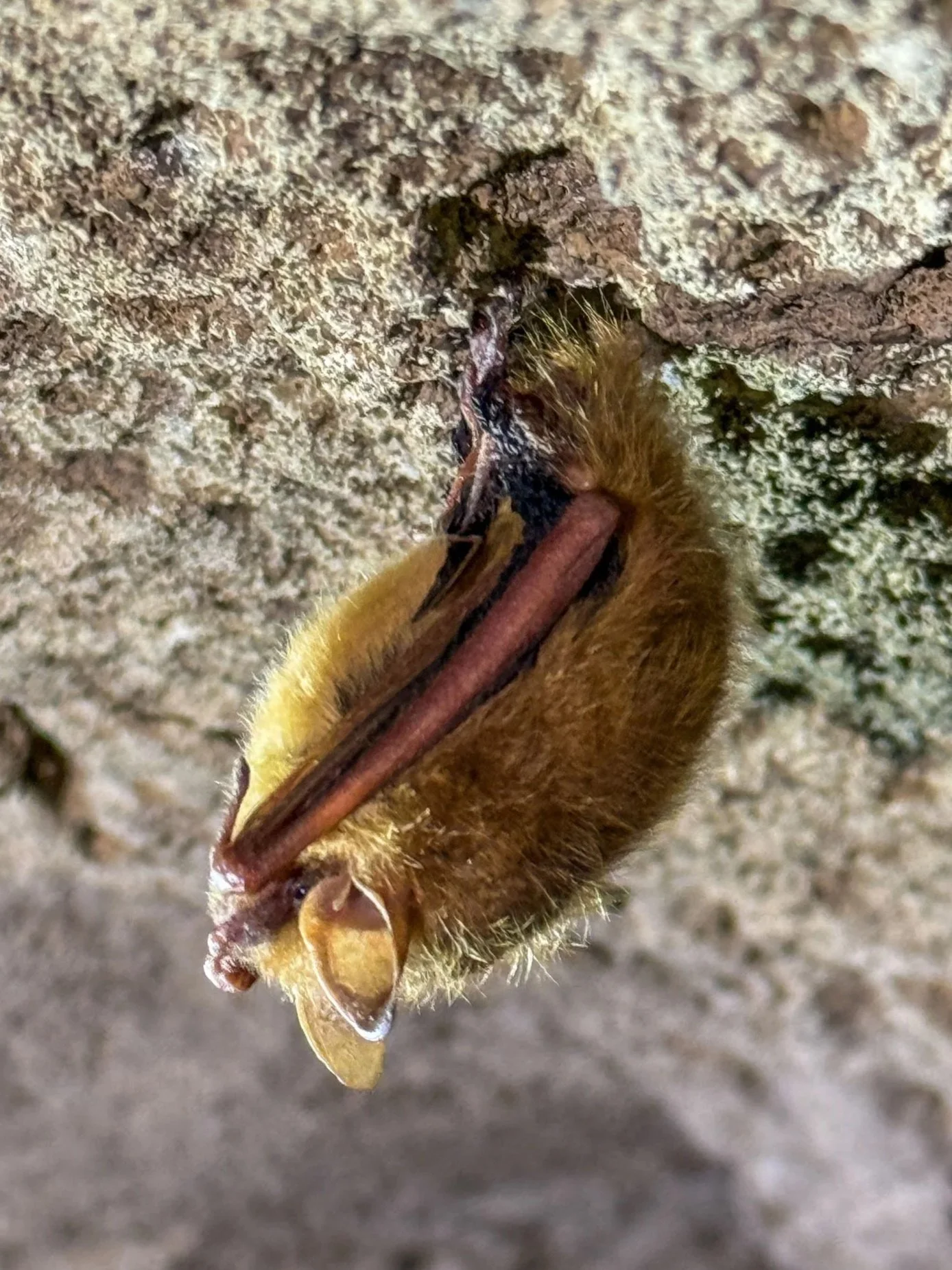
Now we can’t talk about caves and not mention bats. Bats use caves as roosting sites and in turn keep surface ecosystems in balance. They control insect populations, pollinate plants, and play a critical role in agriculture and forest regeneration. Fun fact: A bat can eat between 1,000-3,000 insects in a single night. Think about that the next time you see a bat in the sky and don’t get pestered by mosquitoes!
Protecting caves means protecting everything that depends on them. That includes YOU. Always follow the caver code when entering these precious spaces — “Take nothing but pictures, leave nothing but footprints, kill nothing but time.”
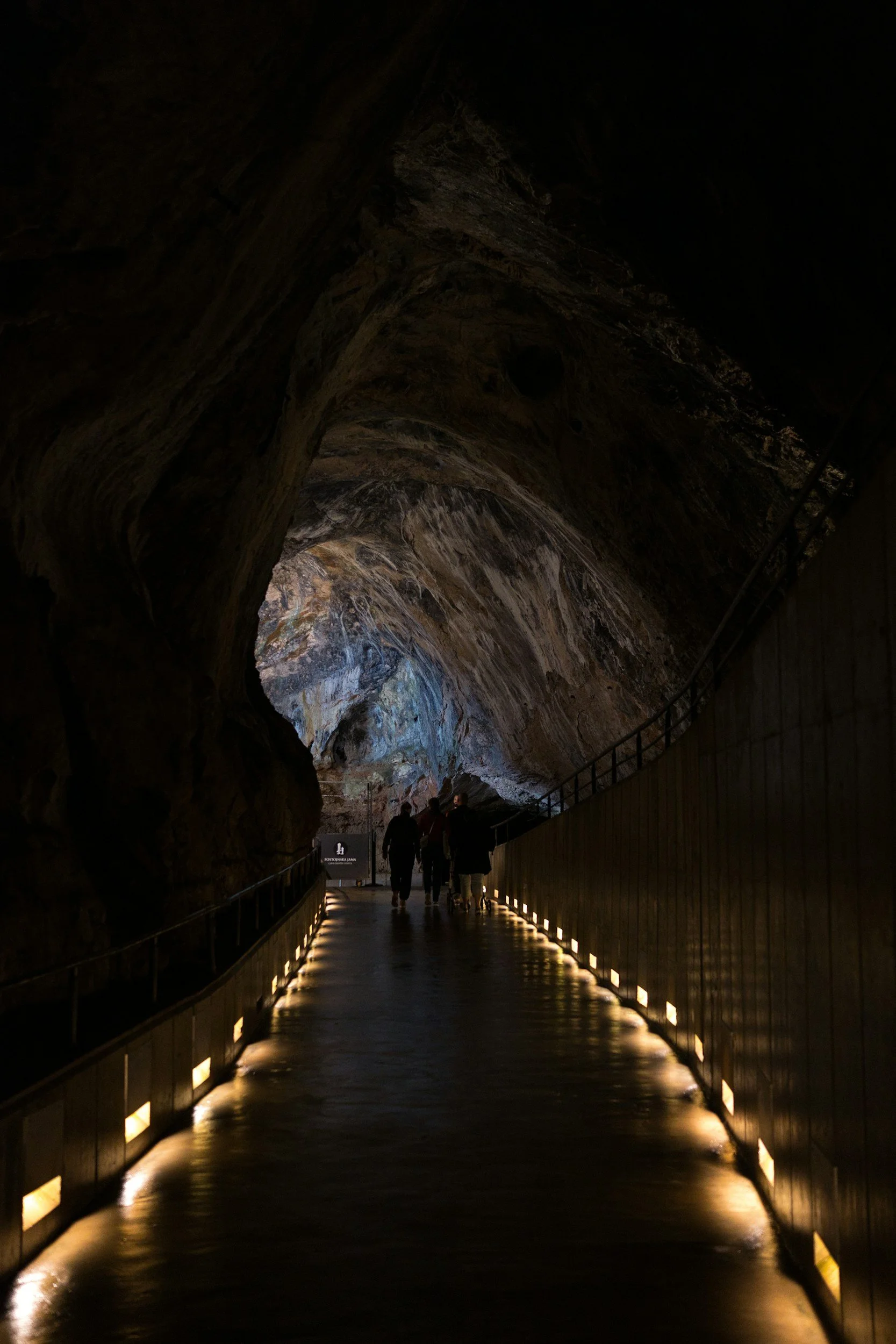
Try a Show Cave First
Before diving into wild caving, I highly recommend visiting a show cave first. These are developed caves open to the public, usually with guided tours, handrails, lights, and accommodations — like bathrooms and food & beverage.
Why? Because being underground isn’t for everyone. Some people discover they’re uncomfortable with the darkness, humidity, stillness, or confined spaces. A show cave is the best way to find out if caving is something you genuinely enjoy before you contact a grotto or jump into a wild cave.
State Parks, National Parks, National Monuments, the U.S. Forest Service, and many others are places within the United States where you can find show cave tours. As for other countries, I’m sure some government-run parks and monuments have similar accommodations for beginners!
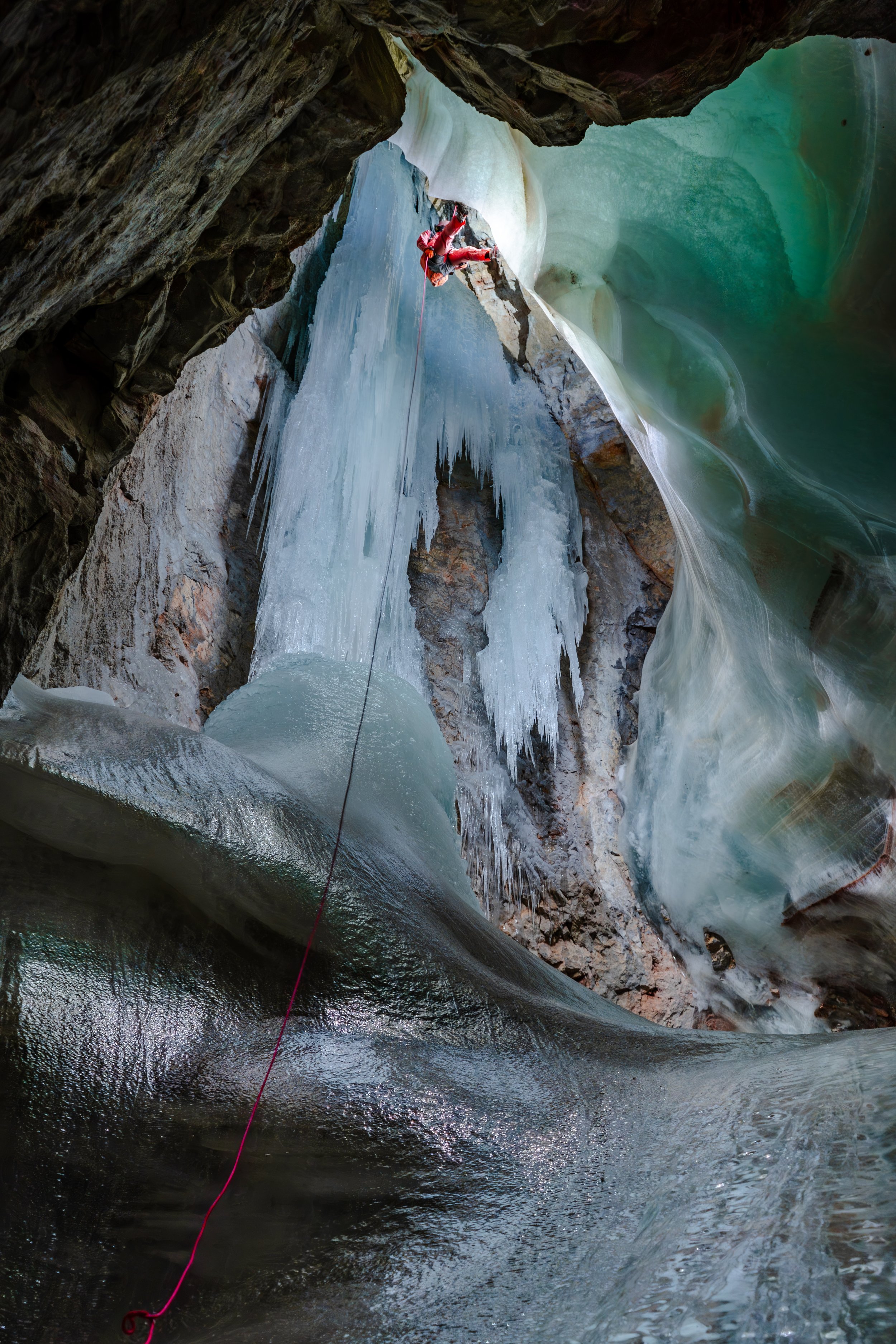
How You Can Start Caving
01
Grottos are caving clubs, and lucky for you, they are all across the United States! The National Speleological Society provides a grotto finder on their website; check it out and see what’s near you. Grottos provide an amazing gateway into the underground community. They usually provide beginner trips, vertical training courses, and are an amazing resource for knowledge. If you are outside the U.S., you can look into groups like The British Caving Association, The Australian Speleological Federation, and The Union internationale de Spéléologie.
Find your local grotto
02
NEVER cave alone. Once you enter the underground, cell service, wifi, and GPS are no longer available. That means nobody can help you if you get hurt. At the beginning of your journey into caving, always go with an experienced caver and at least 3 people.
As for gear, I hate to even have to say this, but HARDWARE ROPE AND ROCK CLIMBING EQUIPMENT IS NOT RATED FOR CAVING AND WILL GET YOU KILLED. Please review my gear guide to see what is required to explore these places safely.
The absolute bare minimum you should have is:
A helmet
Three independent light sources (I prefer 2 headlamps and a handheld)
Clothing appropriate for the cave environment you plan on entering
Don’t go alone, don’t skip the gear
03
Start with beginner horizontal trips to learn the basics. From there, if you want to learn vertical caving, join some vertical training days and dial in your system. Eventually, you can join exploration trips by learning how to survey/map passages. Then you get to name new areas and have your name on a map. Caving is all about exploration in the underground and within yourself, don’t rush it!
Grow at your own pace
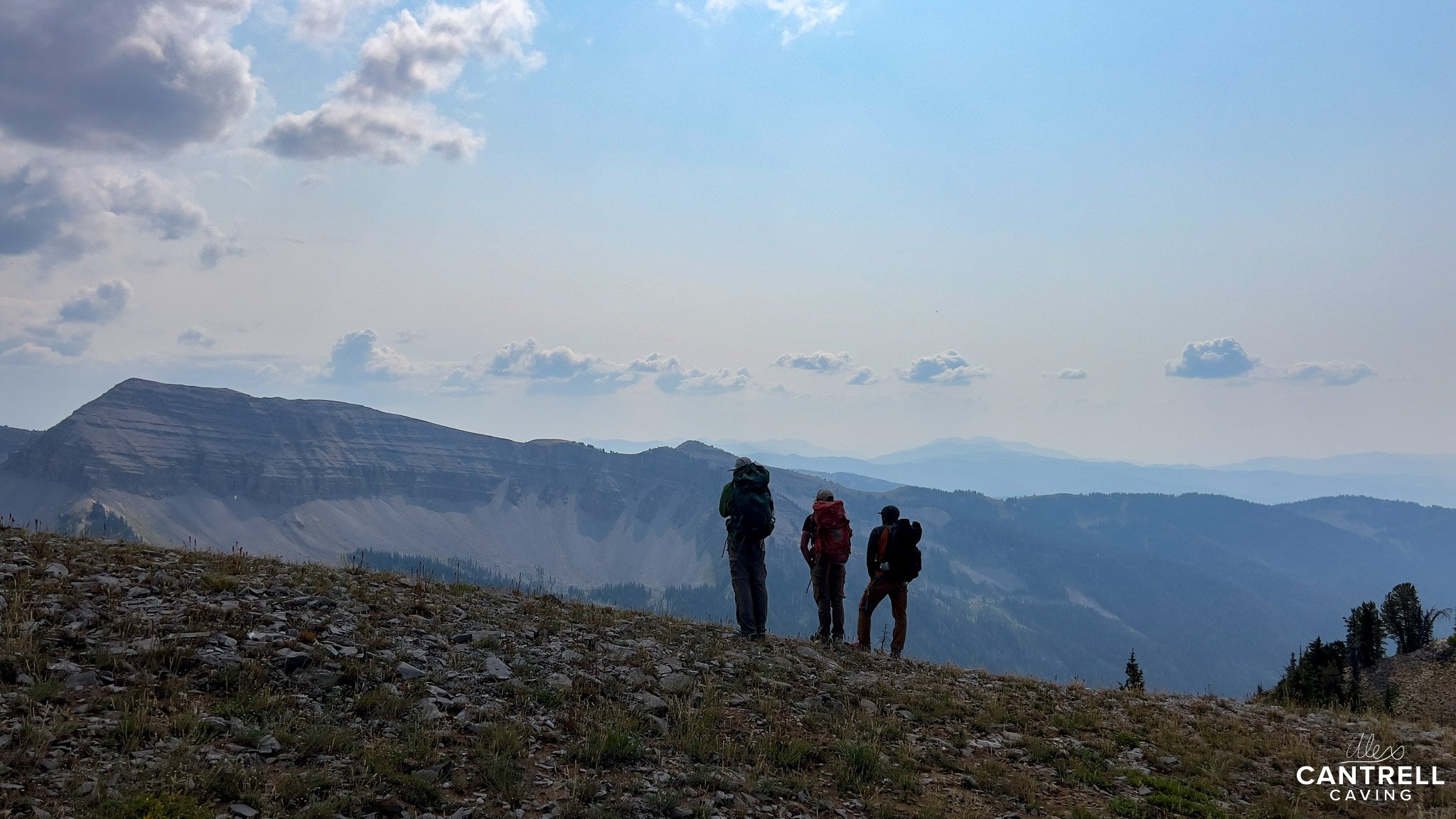
FInal thoughts
If you’re serious about caving, start small, get the right gear, and surround yourself with people who care about safety, conservation, and community.
For more on how to protect caves and yourself while exploring them, check out the Safety & Conservation page.
And for the next step in your journey to caving safely, check out the Gear Guide!