

The Underground
Where the real adventure begins
Helmets
Your most essential piece of gear. Protects your head and mounts your lights.
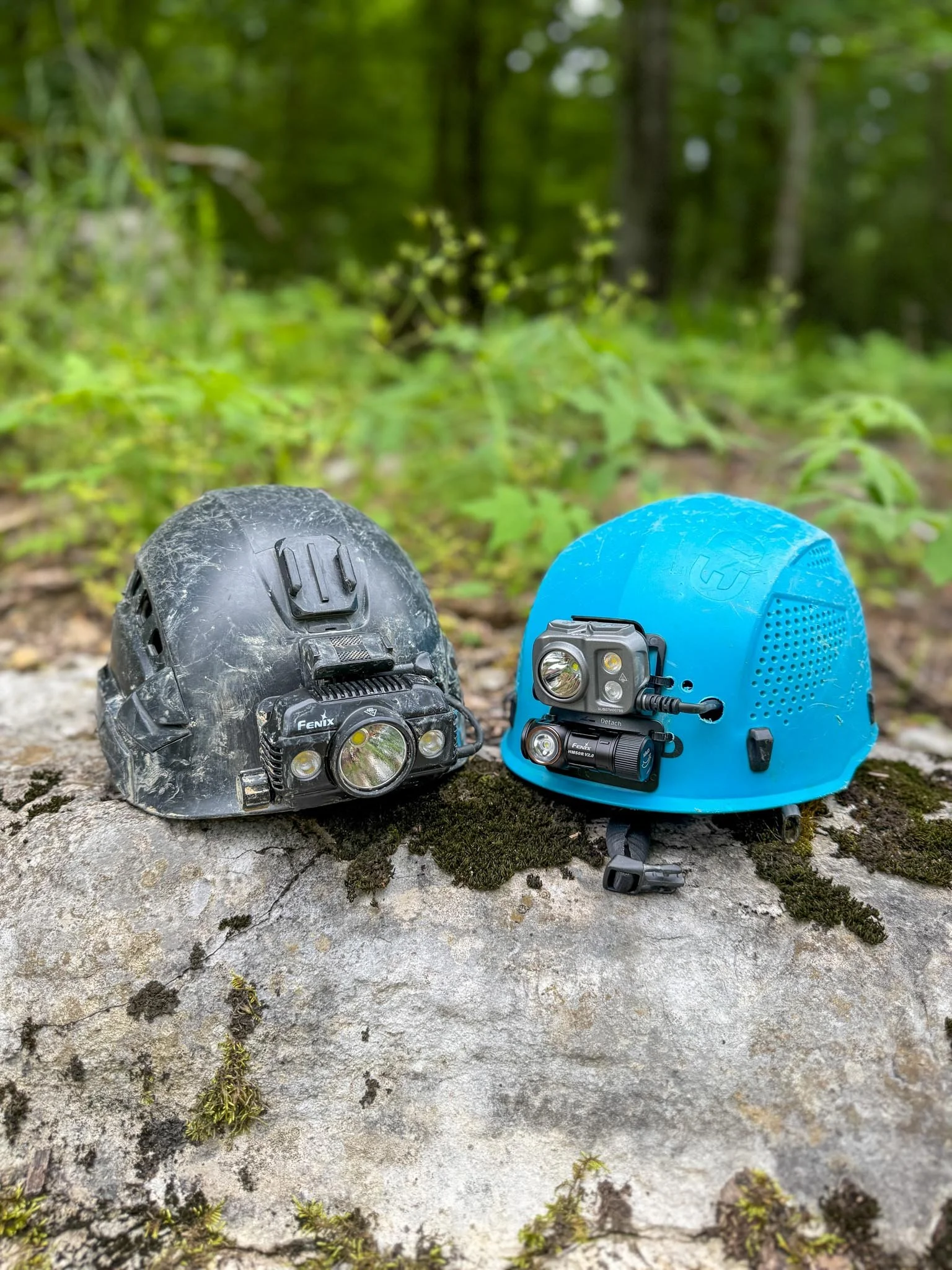
Hardshell and hybrid helmets are the way to go for caving. What separates these from foam helmets is their durability due to the hard shell on the outside. My go-to helmets are the Petzl Vertex Vent and Edelrid Ultralight III. The Vertex Vent is a suspension helmet; its design allows air to flow and keep your head cool. The Ultralight III is a hybrid helmet. The suspension system is combined with a layer of foam that adds protection but traps heat.
Hard shell vs. foam vs. hybrid
Lights
Your eyes underground.
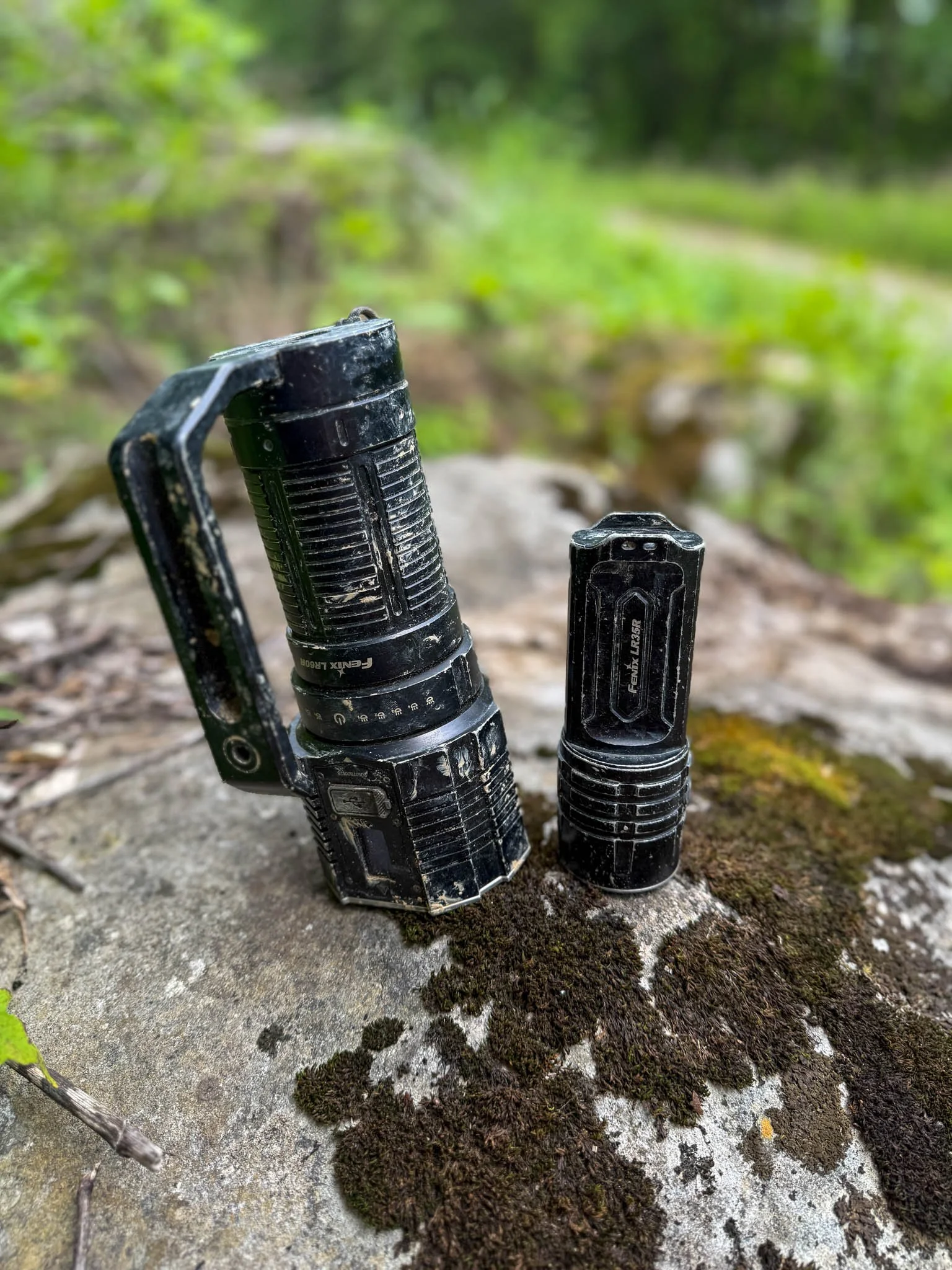
I run the HP25R V2 paired with the HM50R V2, both super durable and expedition-proven. For handhelds, I love the LR35R, a compact beast with 10,000 lumens that fits in your palm. But if I’m headed into massive rooms or dropping a big pit, the LR60R is my pick. It blasts 21,000 lumens and lights up space like it’s high noon.
Fenix Lights
Cave Boots
Traction and ankle support for miles of harsh terrain.
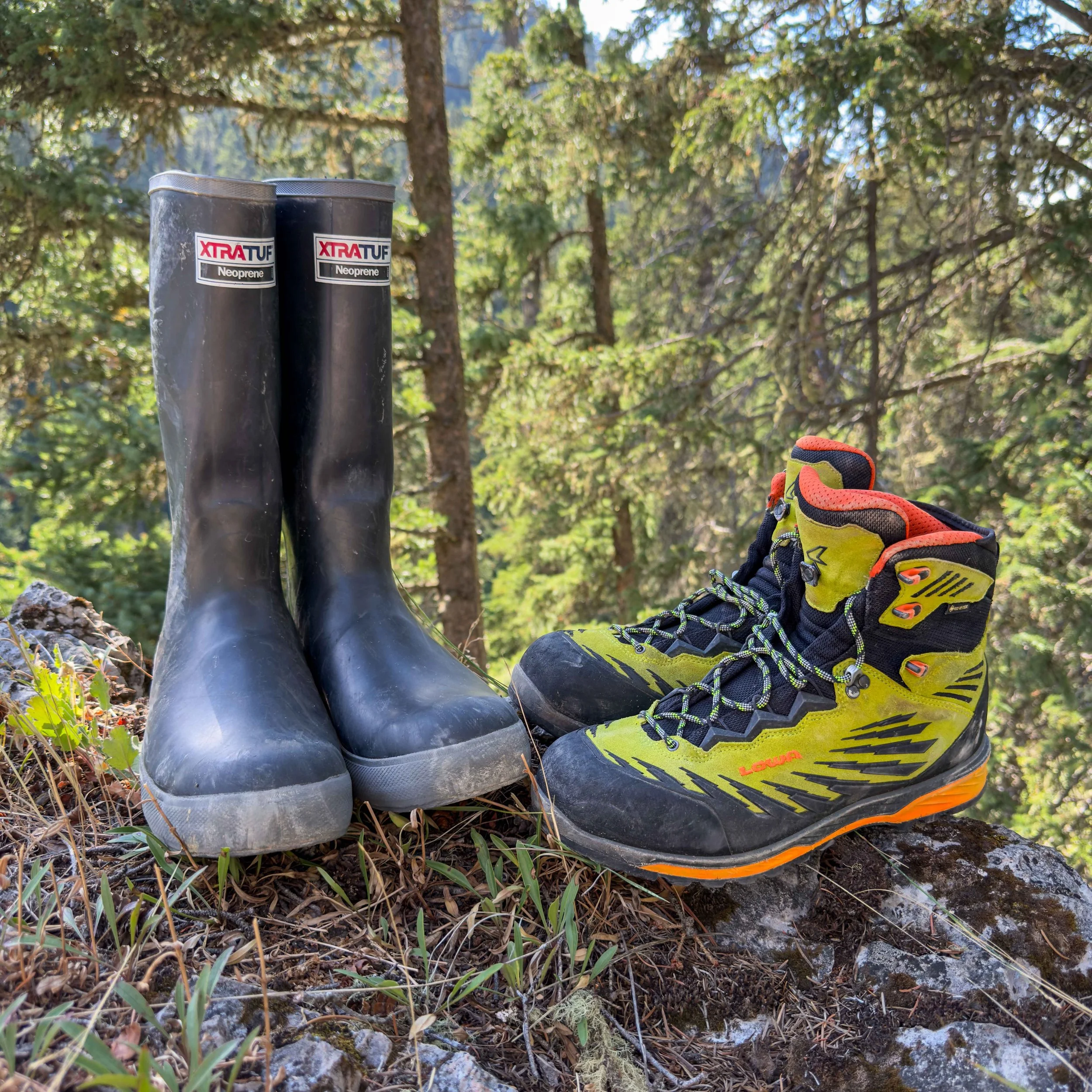
These environments are so unforgiving; whether it’s uneven terrain, waist-deep pools, or mud-coated passages, the right boot will make or break your trip. I swear by mountaineering boots for their ankle support and durability; Lowa makes some of the best in the game. When caving in alpine environments, it’s essential to keep your feet dry from the wet mud and stream passages. This is where xtratuffs thrive. There are cheaper options on the market, like Tingley’s or Wellies, but Xtratuffs deliver on the name - tuff.
Lowa vs. Xtratuff
Knee and elbow pads
Protect your joints from bruises, cuts, and wear.
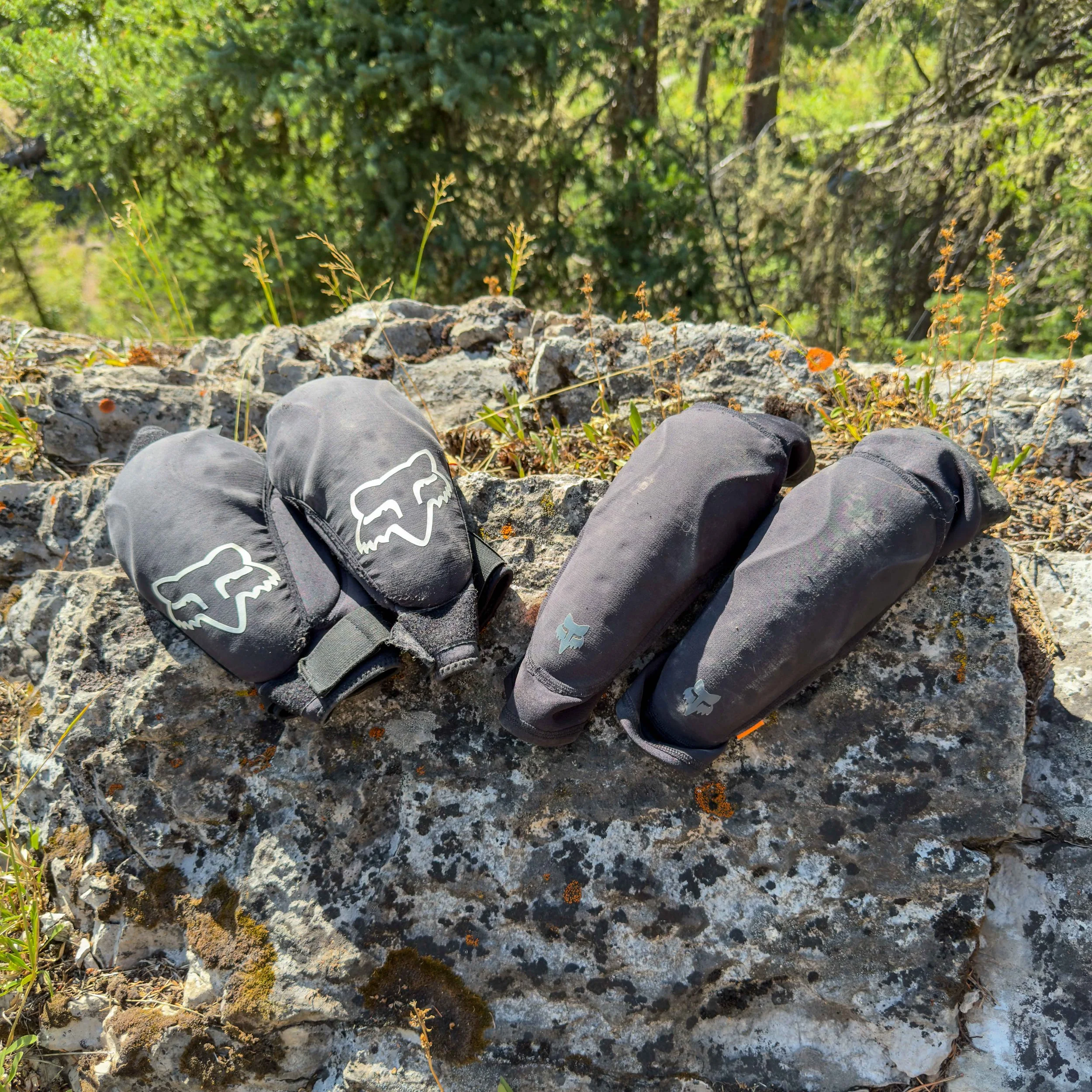
Fox Racing pads
For a long time I used Dirty Daves, and they’re decent if you’re not caving super frequently. But I made the swap to Motocross-styled knee and elbow pads in 2025 and swear by them now. I wear them under my cave suit, or sometimes over my pants/shirt. They stay put without shifting and make me feel invincible while crawling or traveling in steming canyon passages.
cave Suits
01
Cordura
Rugged, durable, and built for abrasion.
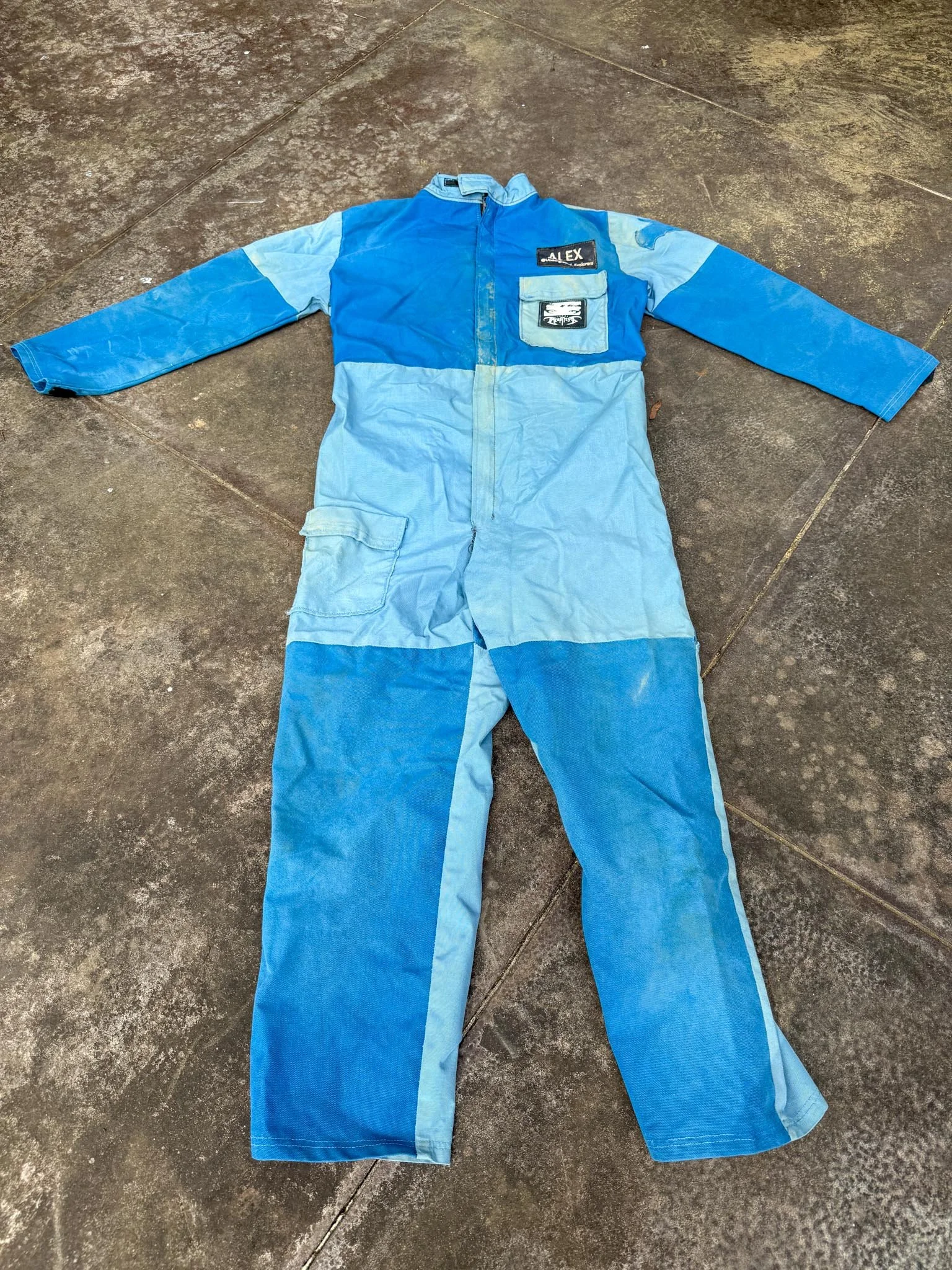
The standard in caving: abrasion-resistant, lightweight, and built to last. I like to support the caving community, so I had a custom Cordura suit made by Sophireaptress, who makes high-quality, handmade suits with options for added pockets and embroidery.
02
PVC
Great for staying clean in wet, muddy caves.
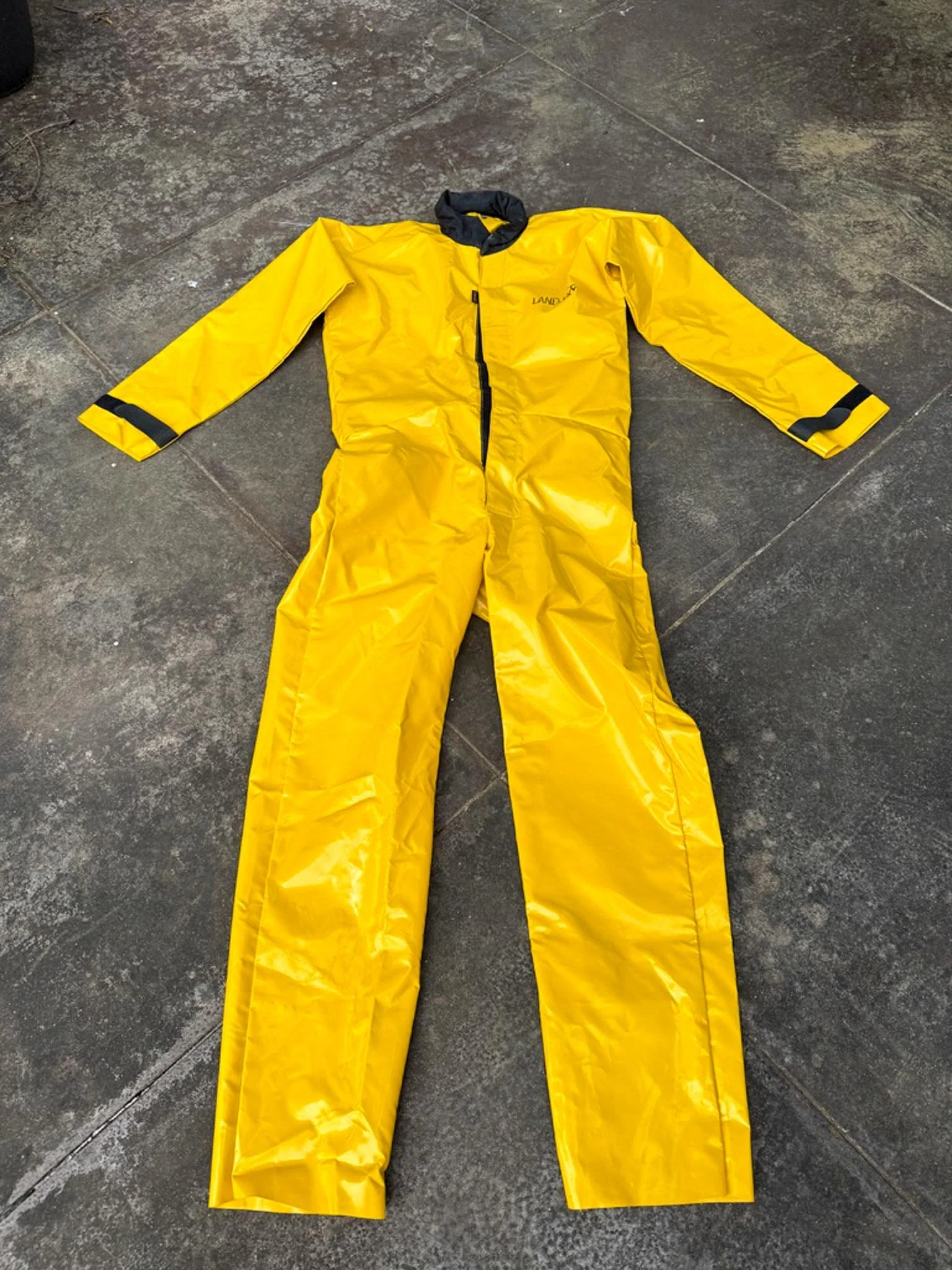
Great for mud-heavy caves where staying dry and clean is more important than abrasion resistance. They shed water and mud easily but can trap condensation if you’re wearing warm under layers. For the right cave, it makes the experience way more manageable.
03
Nylon & silicone
The best of both worlds.
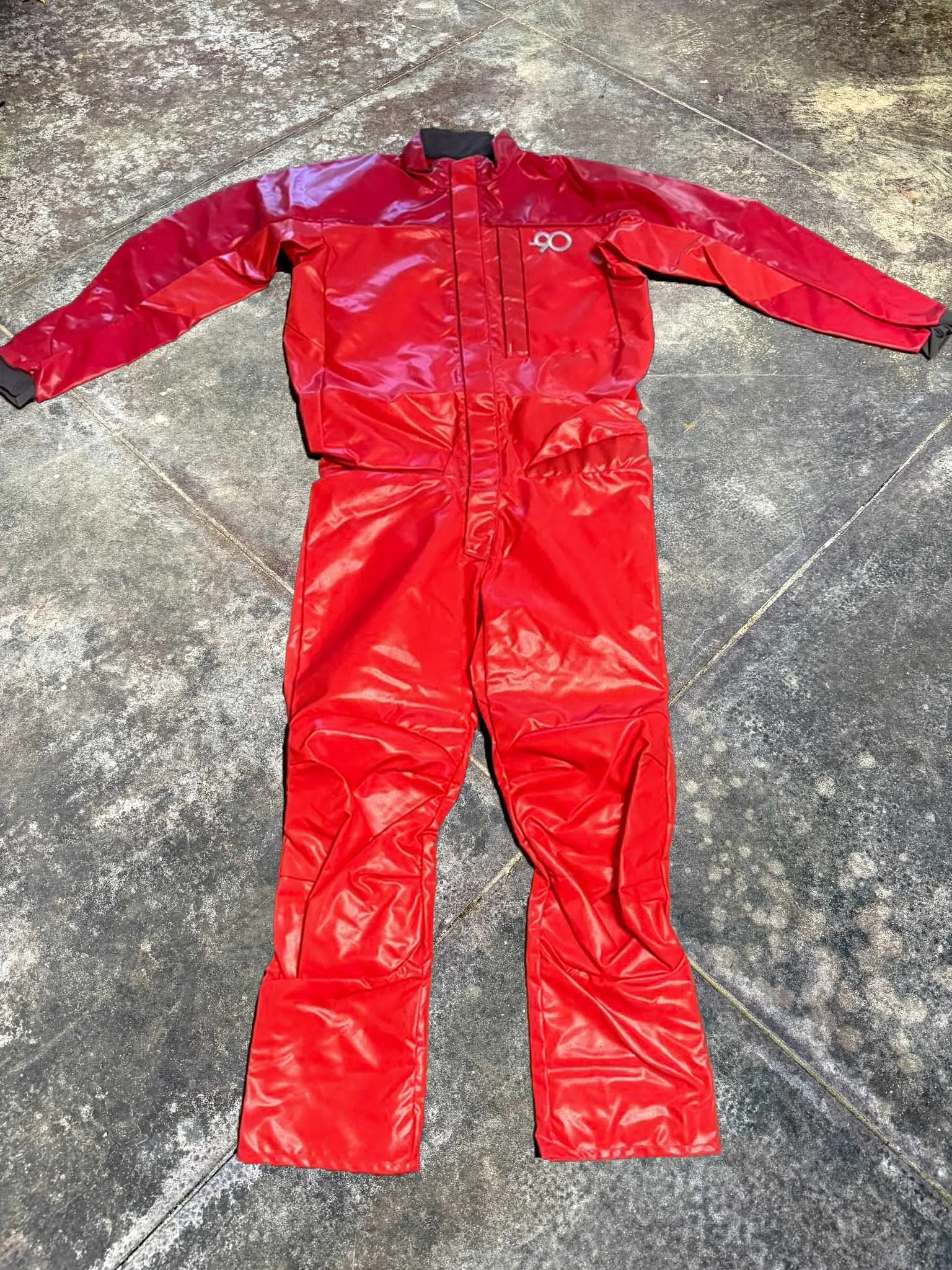
Minus 90 is a standout in this category; they make high-performance nylon suits used in some of the coldest/warmest and wettest/dryest expeditions conditions in North America. If you’re looking for a do-it-all, this is it.
UnderSuits
01
Fleece suit
Adds critical warmth without bulk.
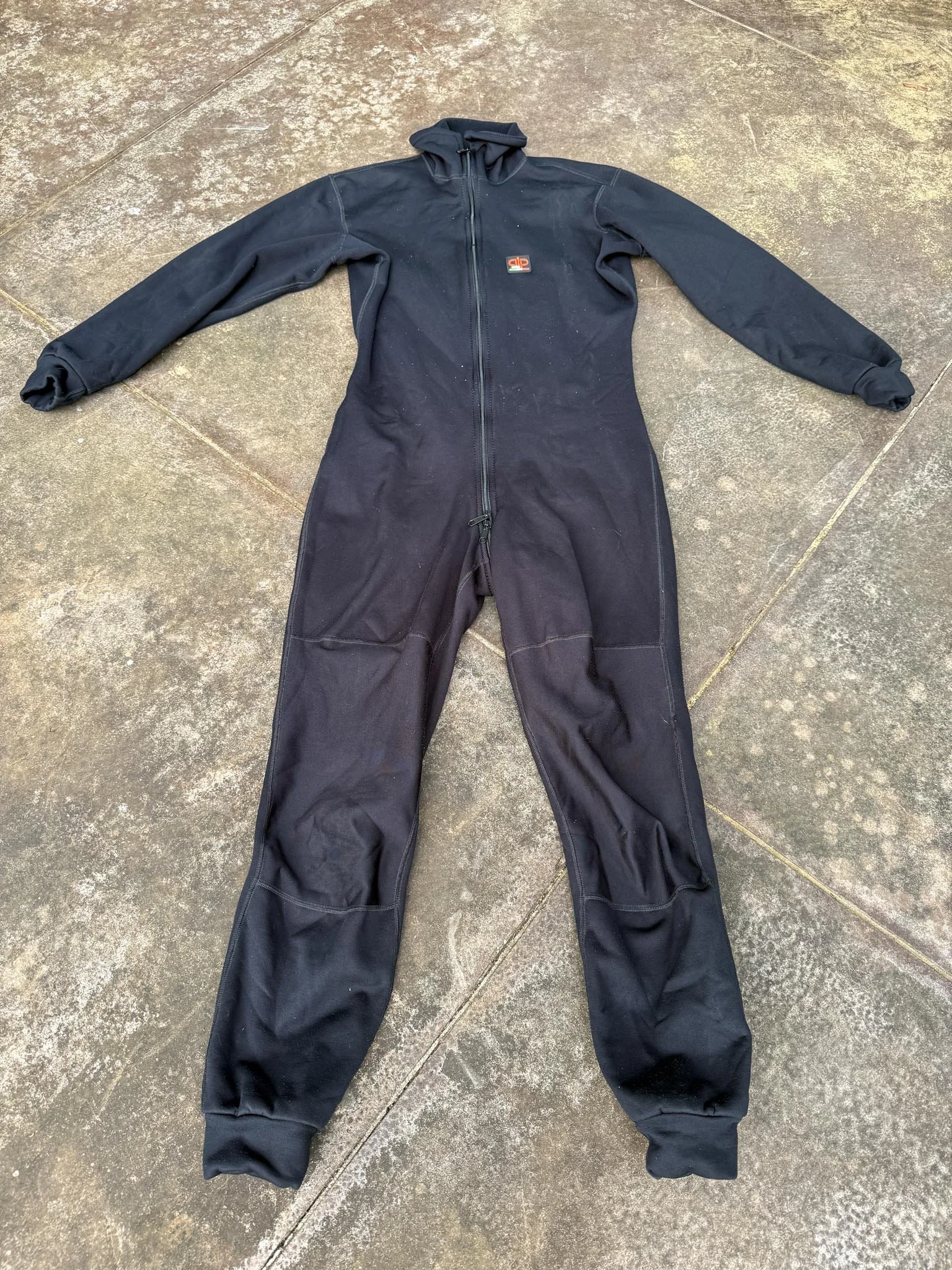
I use a full-body fleece suit from Alps Design. It’s super warm, soft, and perfect for cold cave systems. It zips all the way down the front, which makes bathroom breaks easy without having to fully undress.
02
Wetsuit
Keeps you warm when you’re soaked.

For wet caves, I run a cheap 1.5 or 3mm wetsuit from Amazon, nothing fancy. In colder water or longer exposures, a 3/4/5mm wetsuit adds warmth but can feel bulky. I usually throw a cave suit over it.
03
Dry suit
Rarely needed, essential when it is.
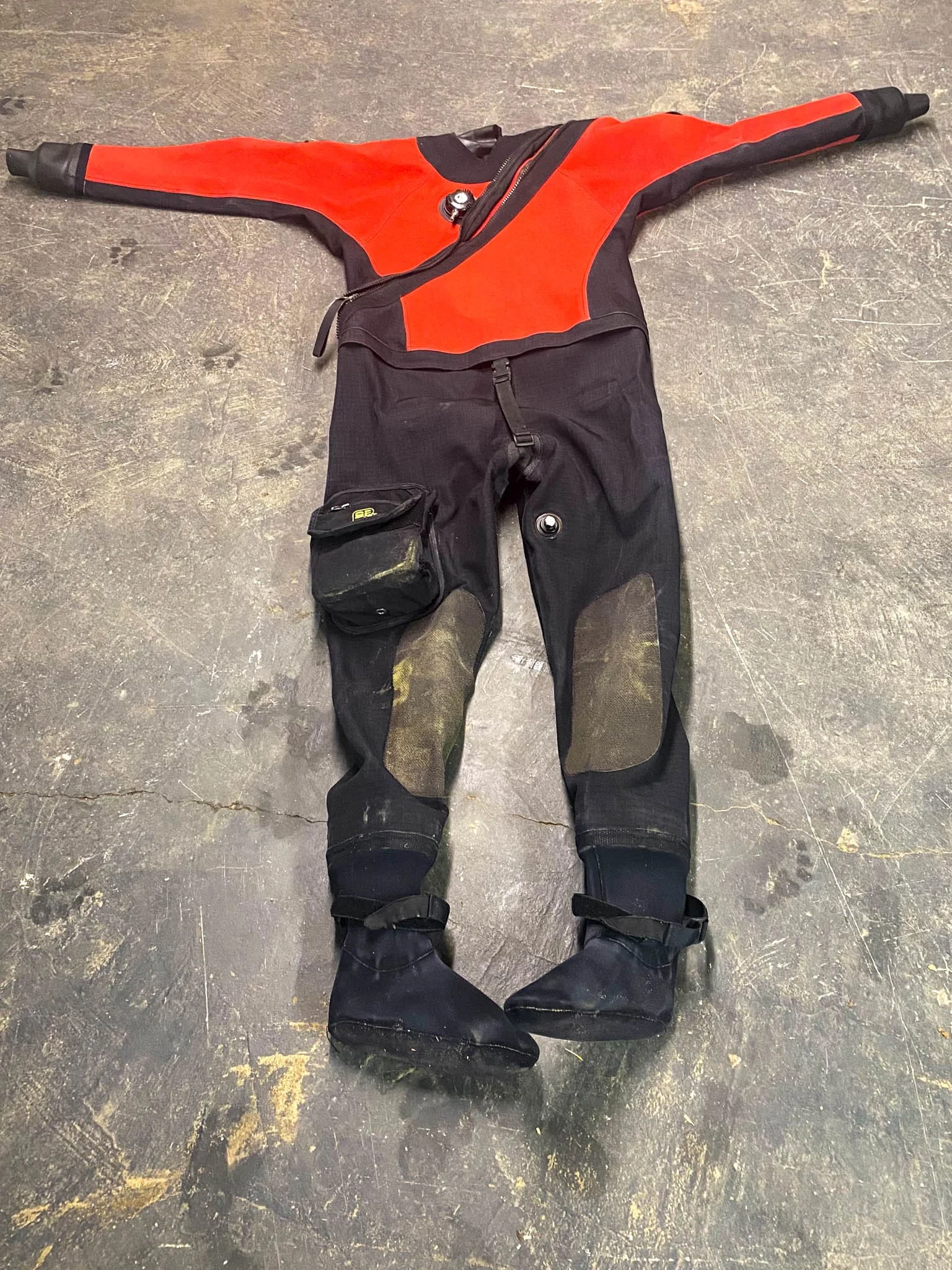
Dry suits are for extreme conditions where the water is freezing, and you’re stuck in it for a long time. They’re insulated and designed to keep every drop out. They’re expensive and bulky, so I only recommend one if you really need it. It’s not something most cavers will need.
Hands and feet
Cavers always have a trick up their sleeves, or gloves and socks…
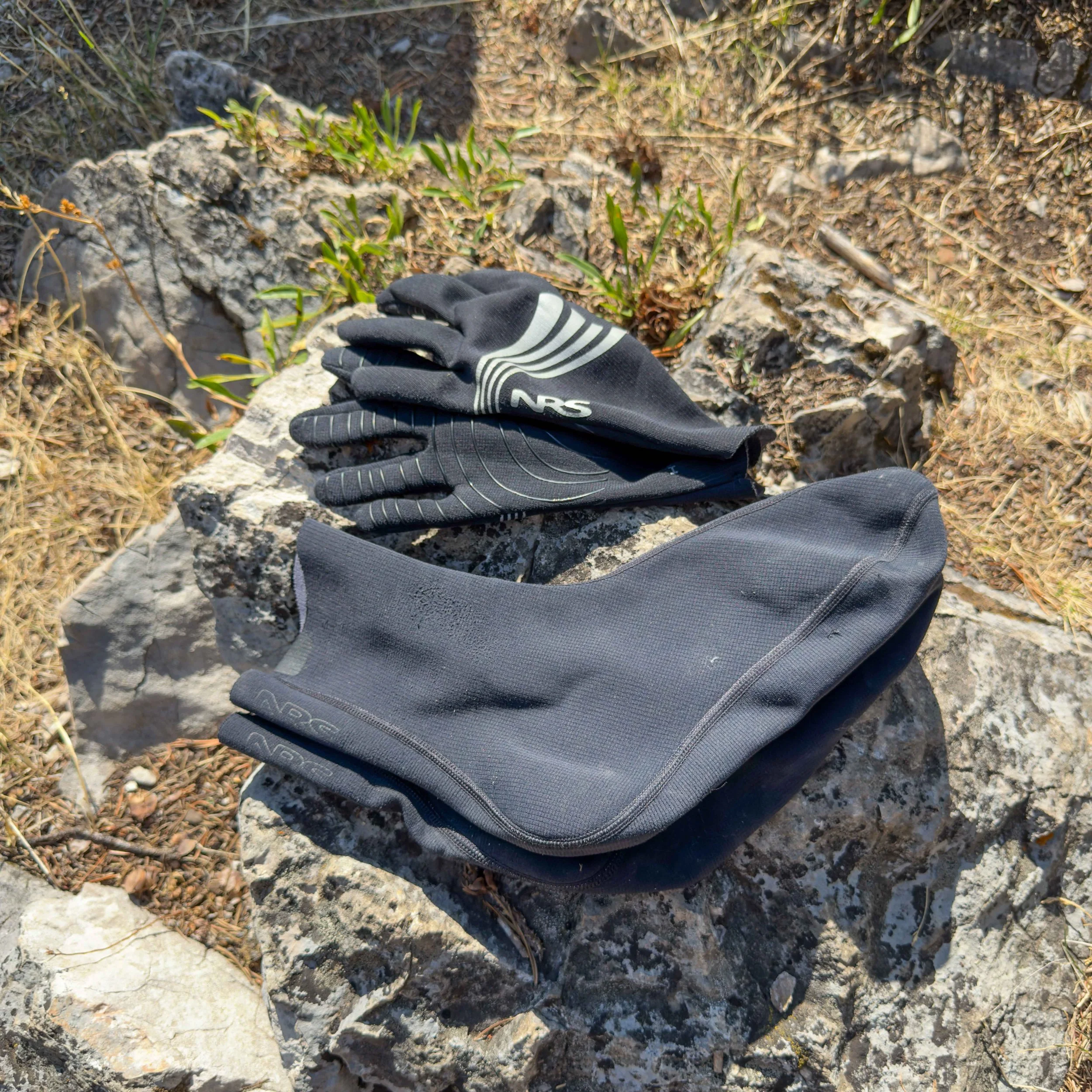
Whether it’s a wet cave or just a cold one, a caver secret is to use wetsuit socks over your wool socks for maximum warmth, no matter the conditions. NRS is the way to go with their 0.5mm socks. When it comes to gloves, the 0.5mm hydroskin with a gauntlet-style PVC or TPU glove makes an unbeatable warm combo.
NRS Hydroskin
Cave Bags
01
Whether it’s a casual trip or an expedition push, having the right bag makes a big difference underground.
Cave packs

For big trips, I use a Landjoff pack. It’s thick, PVC-coated, and takes a beating without falling apart. Though not waterproof, it’s perfect for keeping your essentials protected when paired with dry bags or hard cases inside. For sport trips or surveys, a Swago bag is my go-to. It’s fully waterproof, comes in multiple sizes, and is great for personal loads or lighter outings. Both bags are made by cavers, for cavers.
02
Internal bags
Keep your essentials dry and protected from whatever the cave throws at you.
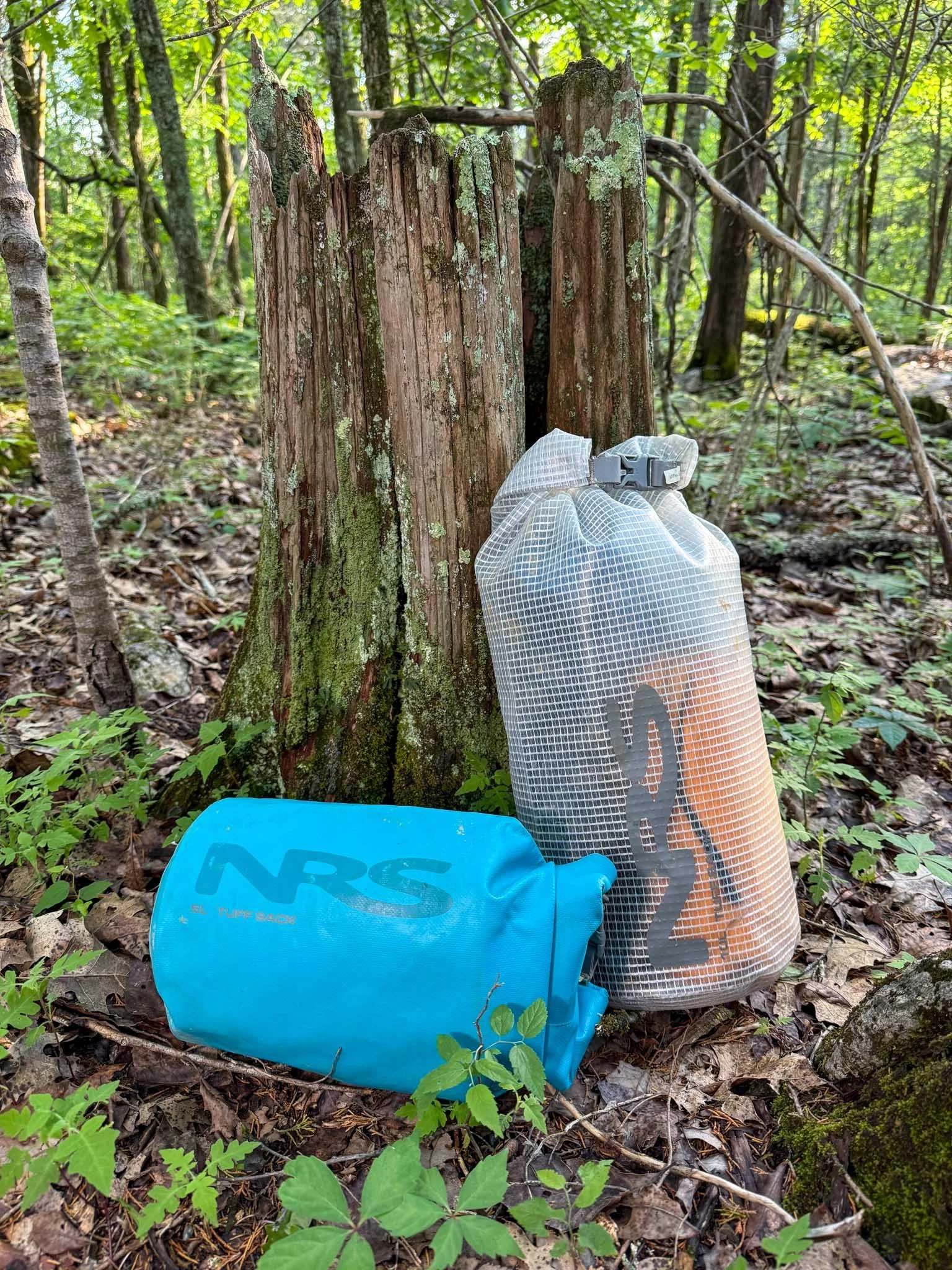
Inside my pack, I usually use NRS dry bags to keep my gear dry. They’re light, durable, and fit well inside Landjoff or Swago packs without adding bulk. For more sensitive gear like camera batteries or electronics, I’ll throw in a Pelican case or other small dry box. Internal storage is worth every bit of protection.
The “oh sh*t kit”
For when everything goes wrong. A small kit that can keep a bad situation from getting worse.

I keep my Oh Sh*t Kit packed in a Nalgene bottle filled with emergency supplies I hope I never need. Inside is a little bit of everything: extra food, electrolytes, a garbage bag “TAG wetsuit”, candles, a lighter, a thermal blanket, a poncho, hot hands/toes, glow sticks, spare batteries, and an extra headlamp. It’s lightweight, compact, and built for worst-case scenarios like getting soaked, cold, or stuck longer than expected.
If you’re freezing, you can light candles, wrap up in the garbage bag or poncho, and trap the heat around your body with your head sticking out. It’s not pretty, but it works. Everyone should carry one; it can buy you time, warmth, and peace of mind. Bonus tip: wrap the bottle in duct tape a few times for some last-resort gear-repair tape.
Everyone should carry one.
Emergency haul kit
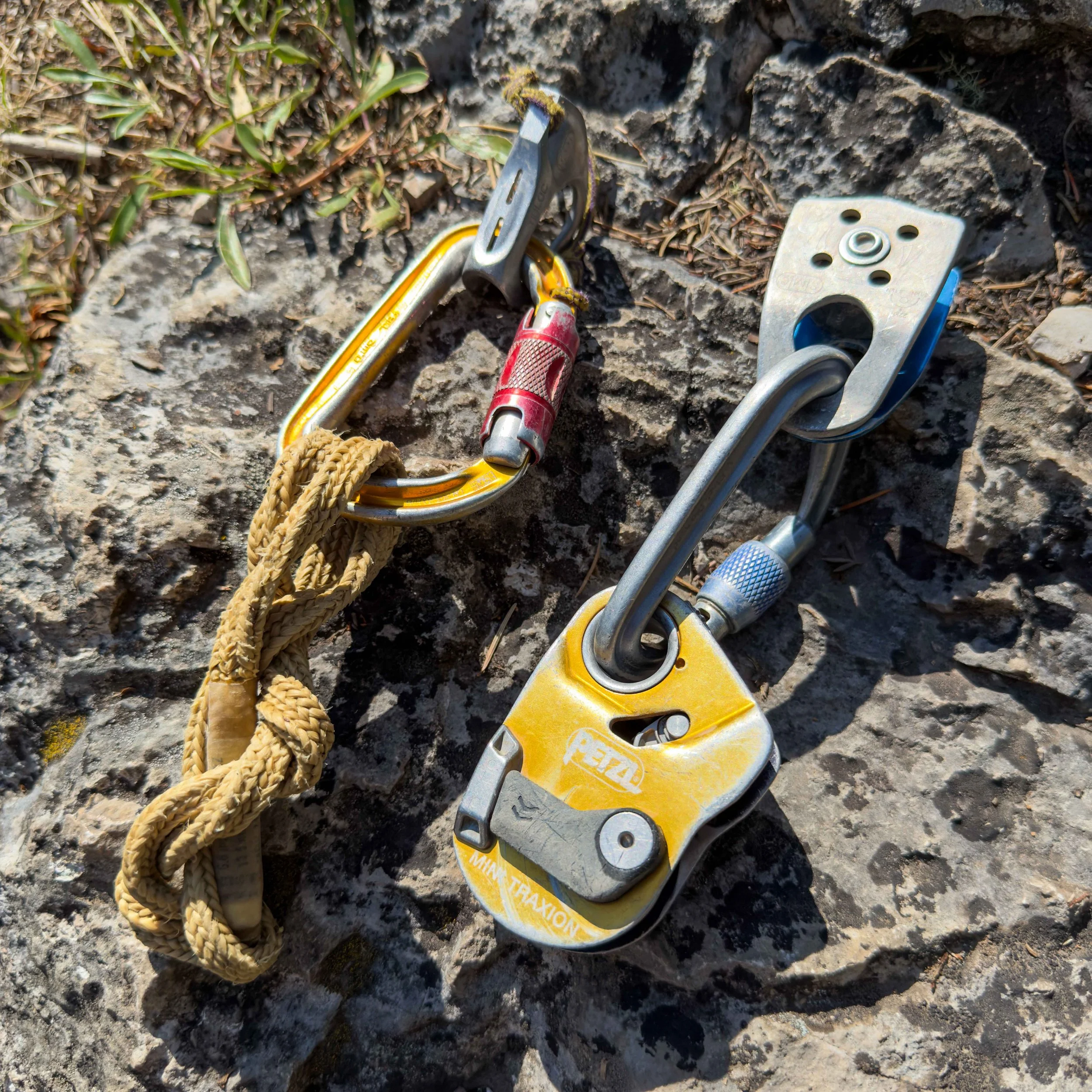
A 3-in-1 can get a lot done.
The next section of this guide goes over vertical equipment, but this small addition can help on non-vertical days too. I always carry enough equipment for a 3-in-1 mechanical advantage. Whether it’s for hauling heavy bags, your buddy who’s stuck on rope, or even dragging people/equipment through low crawl spaces, this is the bare minimum. I use a Petzl Micro Traction, Tibloc, SMC rescue pulley, and throw in a Prusik.
For hauling gear or hauling bodies.