

Explore gear


Where explorers are made
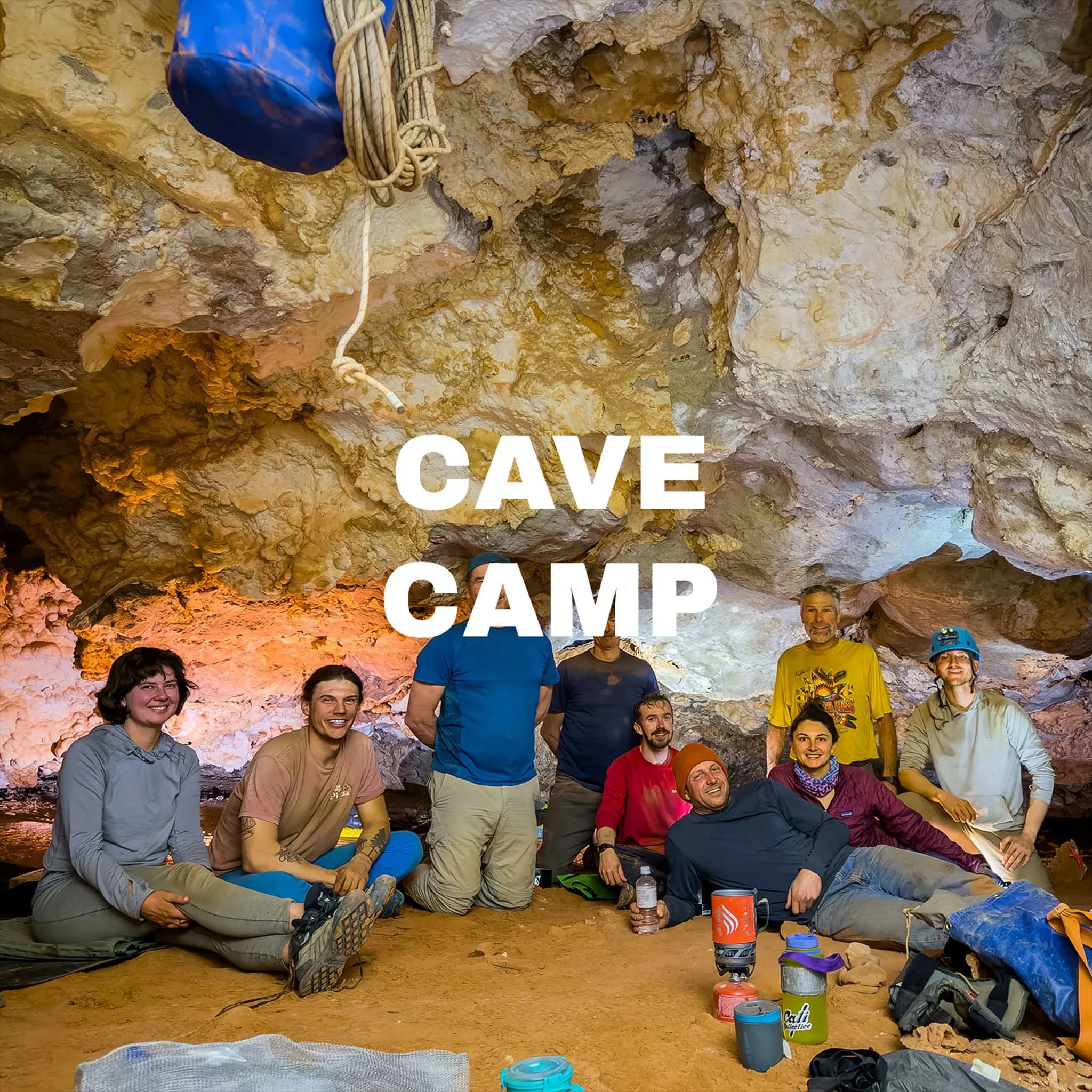
Cave Camp
Sleeping underground is a different game — your setup depends on the cave, the temp, and the terrain.
The essentials

Cave camping isn’t like surface camping. Whether you’re on a tarp on the ground or tucked into a sky bivvy or hammock, your system should match the cave’s environment — dry or wet, warm or cold, tight or spacious. Your basic loadout should include a camp stove, a sleeping bag rated for the cave temperature, a camp pillow if you like comfort, and your GRAYL filter for clean water. A pee bottle is a must, and wag bags are non-negotiable — you should never leave waste in a cave. Different regions have different protocols, but the golden rule is simple: take only photos, leave only footprints. Your camp gear doesn’t need to be extensive, but it does need to be reliable, compact, and respectful of the underground.
Sleeping on the cave floor means dealing with moisture from above and below.
ground
setup
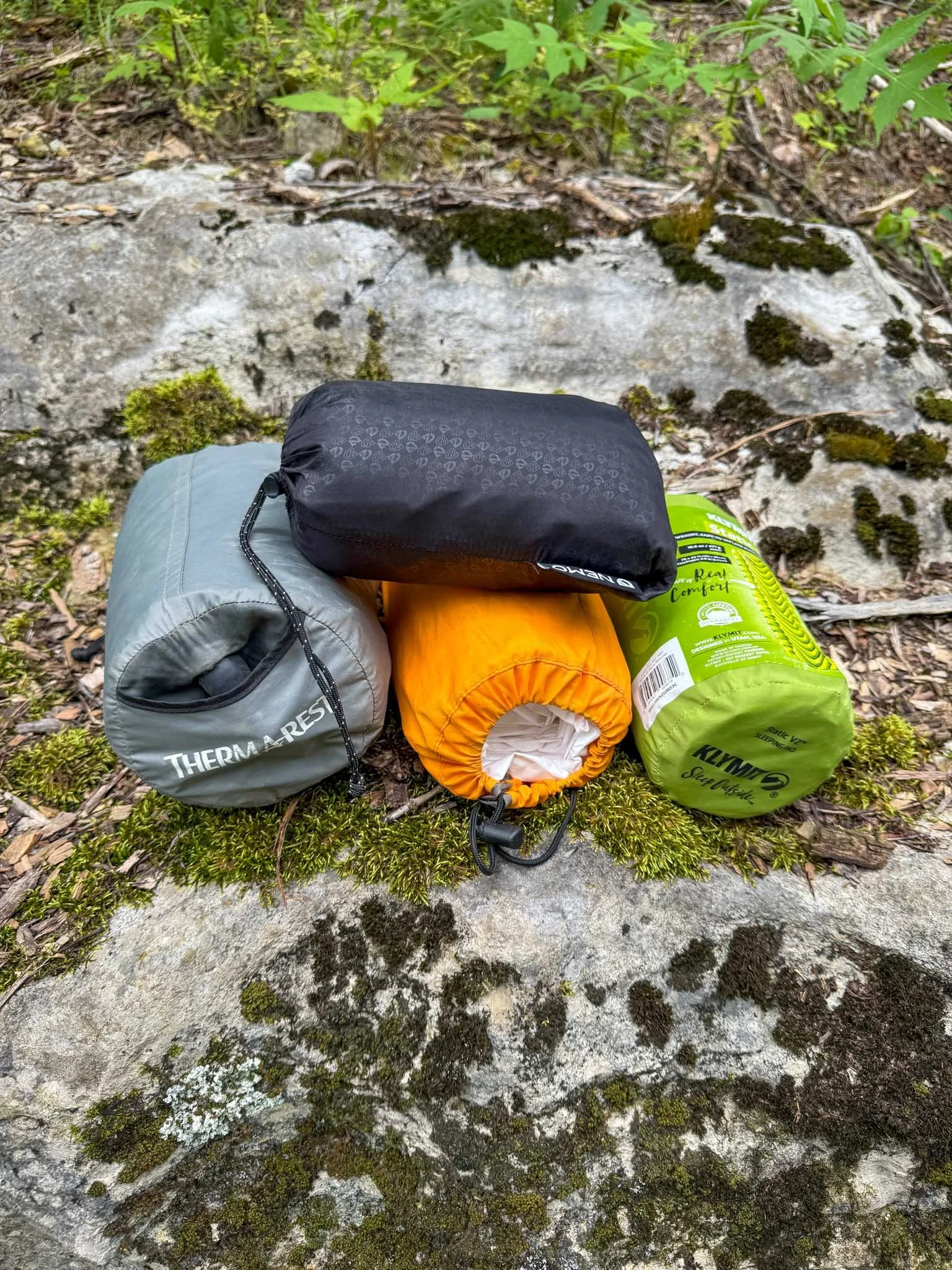
Sleeping on the cave floor usually means dealing with moisture, even in “dry” caves where the ground stays damp and ceiling drips are common. I recommend using a Tyvek sheet or old tent footprint as a ground barrier — Tyvek is lightweight, durable, and packs down small. Add a sleeping pad based on the conditions: insulated for colder caves, regular for mild temps, or none at all if you’re on soft sand or dry soil.
For extra protection, I bring a light tarp and string to hang above as a drip shield. It’s like an underground rainfly that keeps you dry through the night. This setup is simple, compact, and covers most cave floor scenarios without overcomplicating your kit.
When the ground’s not an option, sleeping off it is your best move — just come prepared.
suspended setup
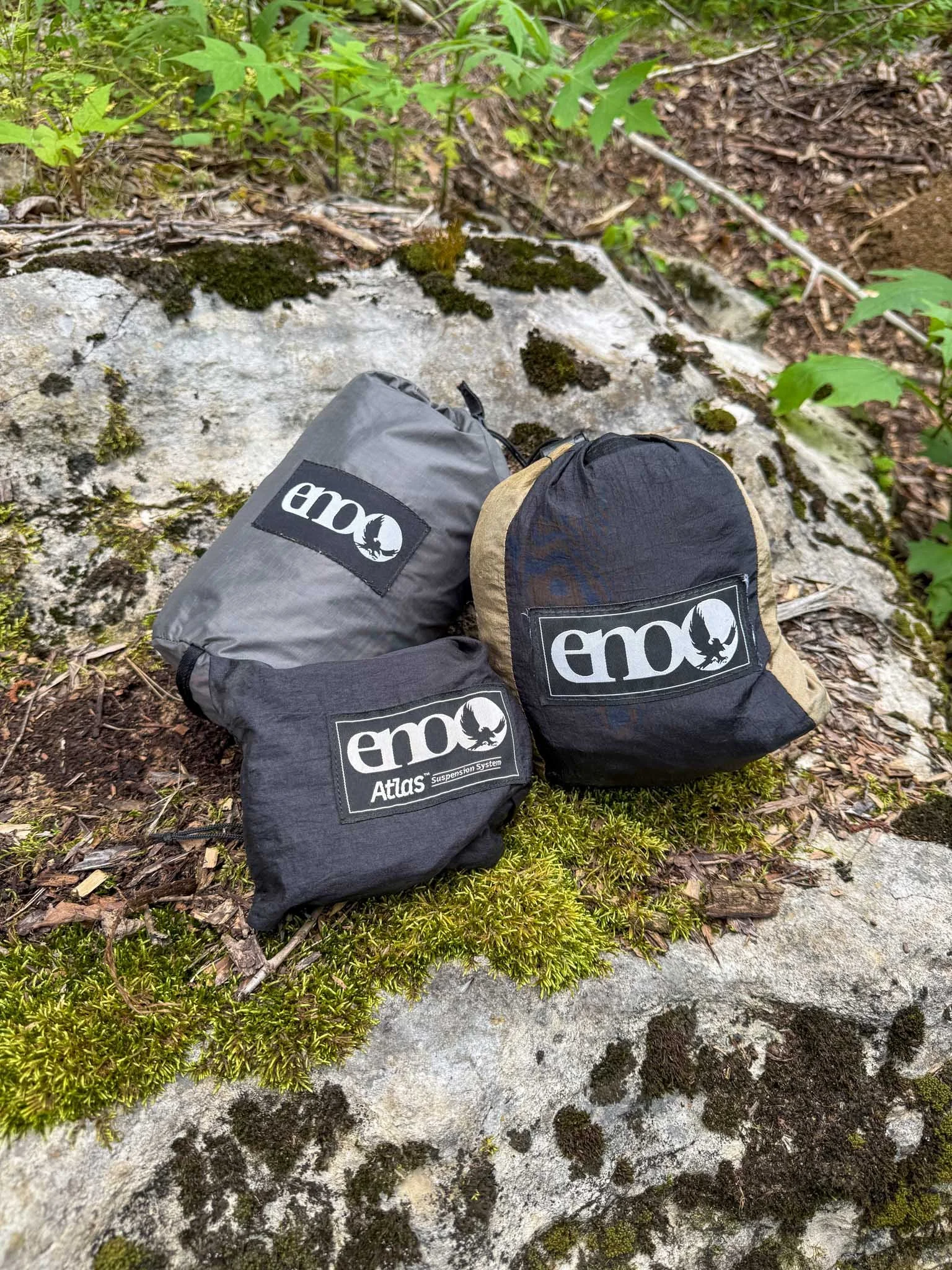
For caves where the floor is too wet or unstable, a hammock or portaledge is your go-to. Hammocks are lightweight, compact, and easy to hang with the right anchor points. Portaledges are bulkier, but if you can haul one in, they offer serious comfort. You’ll want a tarp or rainfly overhead since dripping ceilings are usually the reason you’re suspended in the first place.
I always carry a little trad gear for these setups — a few nuts or a small cam can be perfect for natural anchors if bolting isn’t an option. If you find a solid crack or feature to clip into, you’re golden. It’s a bit of extra weight, but worth it when you need a dry place to sleep.