

Explore gear



The Underground
This is where the real adventure begins
Your most essential piece of cave gear. Protects your head, mounts your lights, and keeps you in the game when the ceiling says otherwise.
Helmets
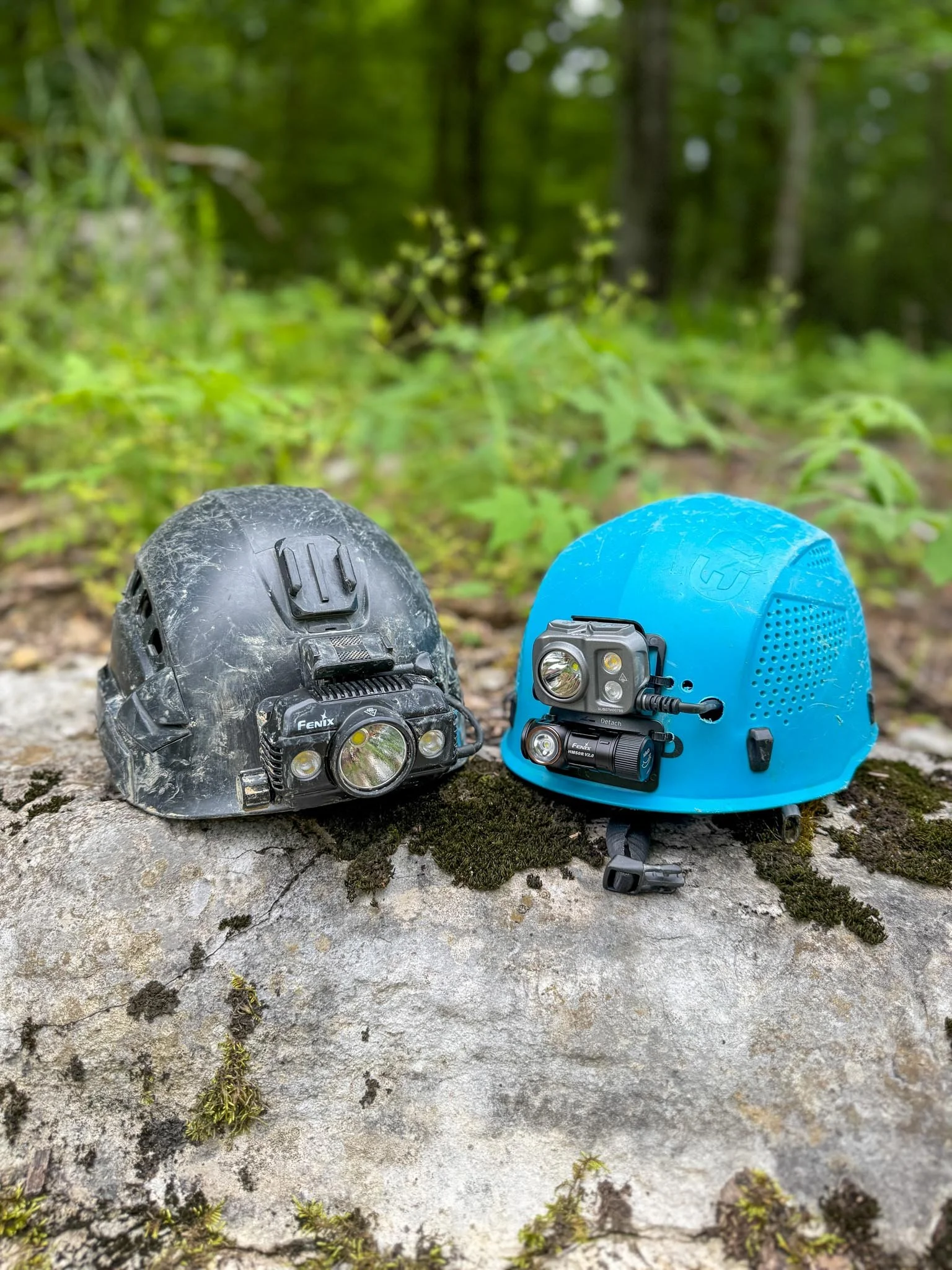
When I’m not recording, I usually wear the EDELRID Ultralight III— it’s super compact, lightweight, and fits close to the head, which makes it perfect for tight squeezes. It doesn’t have a full suspension system like some heavier helmets, but that’s part of what keeps it low-profile. It’s got just enough support, and it’s one of the most comfortable helmets I’ve worn for fast-moving trips.
For most other trips — especially if I’m filming — I run a Petzl Vertex Vent. I’ve used it for years, it’s my go-to when I want full coverage and comfort. It’s bulkier, but the suspension system cushions hits way better, and it’s just solid all around for longer days underground. Between the two, I’ve got all my bases covered. If you’re looking for solid, reliable helmets to start with, I’d confidently recommend either one.
Your eyes underground — this is how you bring the daylight with you. You can’t move an inch without it.
Lights
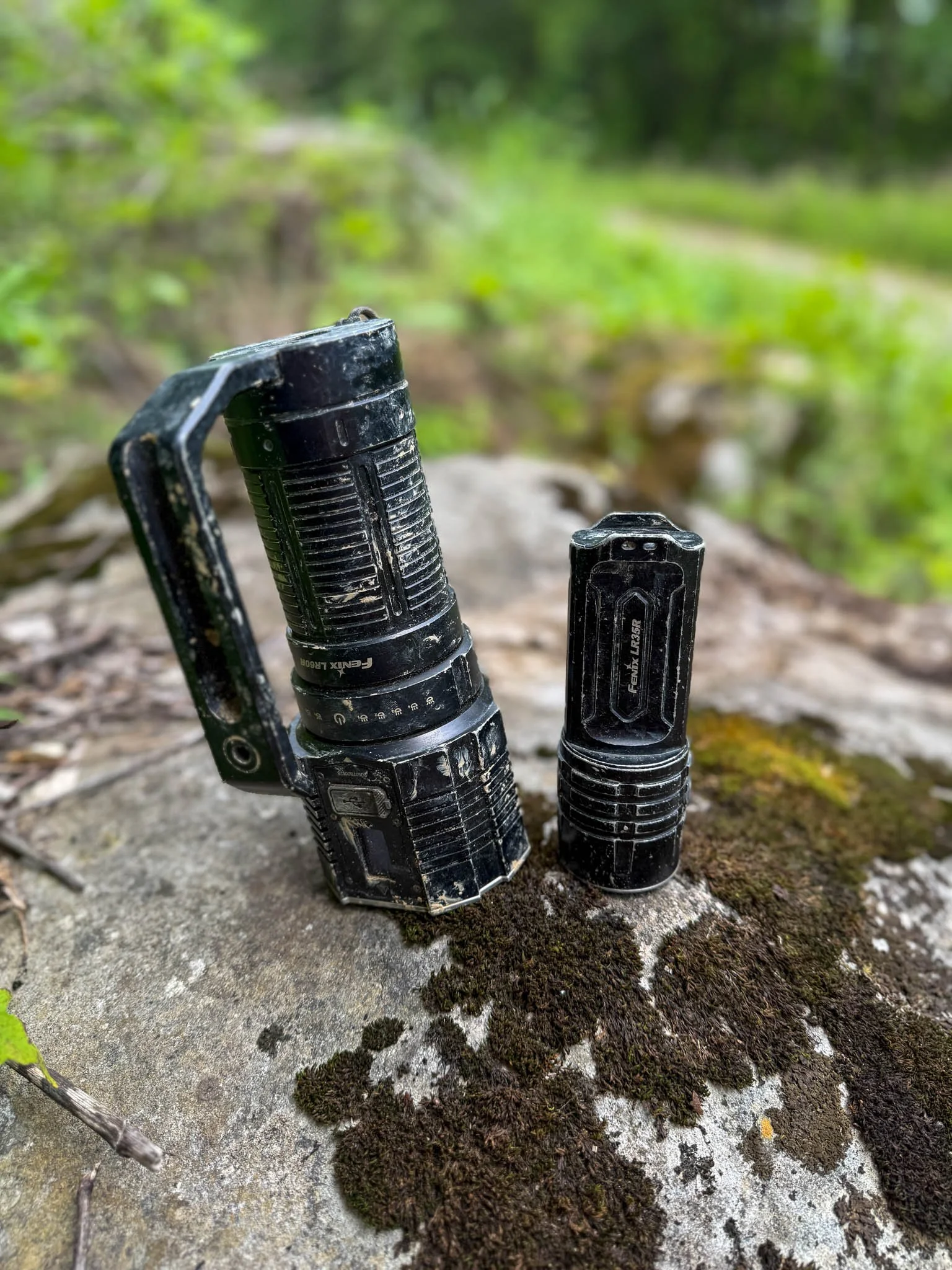
I’ve been using Fenix lights for years—long before I ever worked with them. For filming underground, my go-to is the HP30R V2—powerful, reliable, and easy to mount, making it ideal for both video and exploration. On my expedition helmet, I now run the HP25R V2 paired with the compact HM50R V2—both super durable and expedition-proven. When I’m just focused on the trip itself—hiking out late, digging, surveying, or just exploring—the HM65R is still absolutely solid. It’s lightweight, extremely bright for its size, and fits snug on the helmet. For handhelds, I love the LR35R—a compact beast pushing 10,000 lumens that fits in your palm. But if I’m headed into massive rooms or dropping a big pit, the LR60R is my pick. It blasts 21,000 lumens and lights up space like it’s noon. If you’re looking for light setups that can handle real expedition abuse, Fenix has been my trusted choice.
Under Suits
For cold caves, a fleece suit is your cozy armor. It adds critical warmth without bulk, especially on long trips.
Fleece SUit
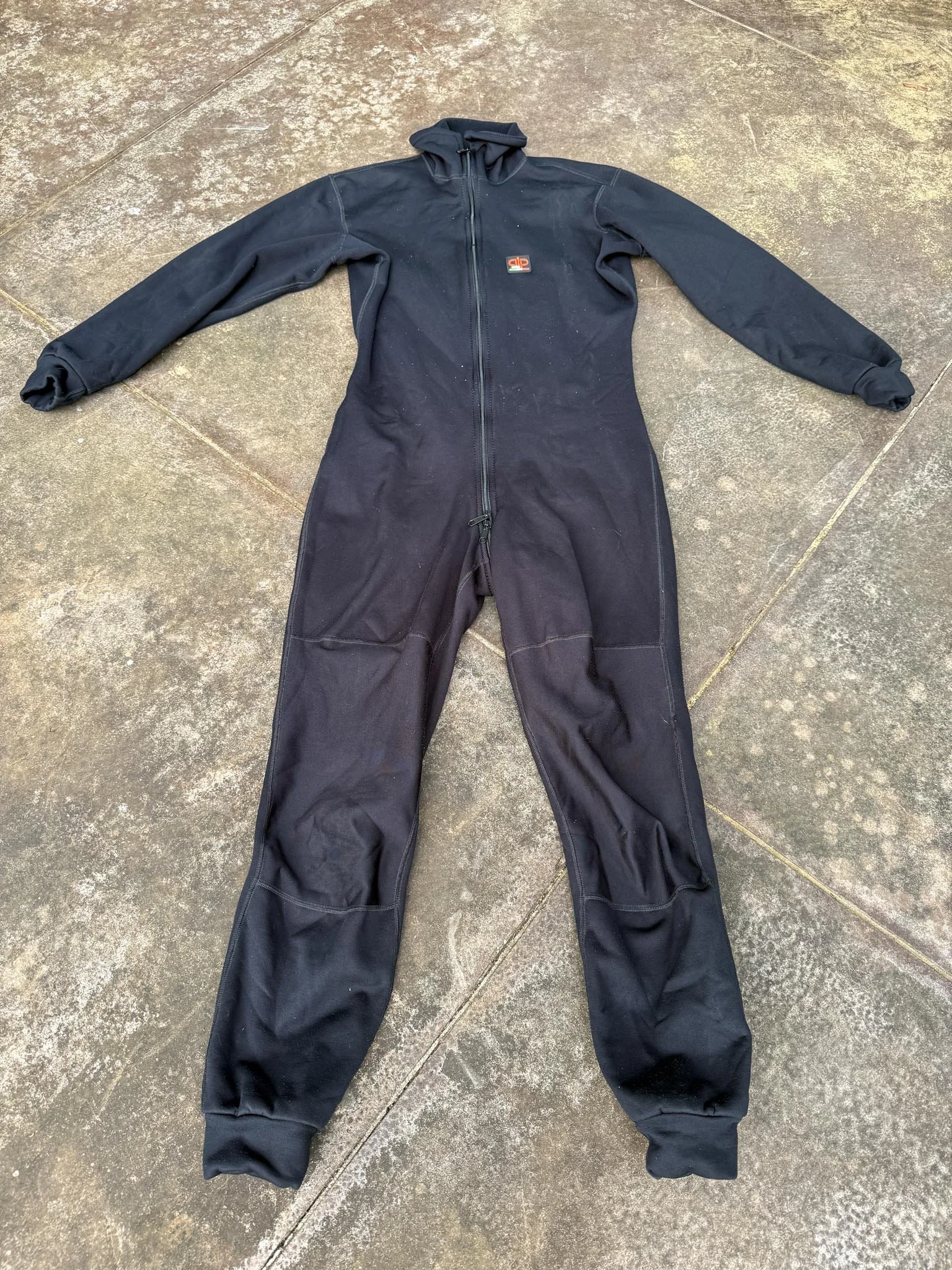
I use a full-body fleece suit from Alps Design that’s super warm, soft, and perfect for cold cave systems. It zips all the way down the front, which makes bathroom breaks easy without having to fully undress — a small but seriously helpful feature.
I’ll usually pair it with a base layer if it’s extra cold, but sometimes I wear it solo under a cave suit. It traps heat well without feeling bulky, and it’s comfortable enough to sleep in if you’re stuck underground for a long haul. For cold caves, this is what I reach for.
A 3mm wetsuit is the go-to for TAG caves with extended water exposure. Keeps you warm when you’re soaked.
Wet Suit

For wet caves, I run a cheap 3mm wetsuit from Amazon — nothing fancy, just something that holds in heat and won’t make you sad when it gets trashed. Most have a front zipper that makes getting in and out easier, and it helps with quick bathroom breaks, too.
In colder water or longer exposures, a 3/4/5mm wetsuit adds warmth but can feel bulky. I usually throw a cave suit over it to reduce abrasion and add durability. If you’re going to be wet for a while, especially in TAG, a wetsuit makes all the difference.
Rarely needed, but absolutely essential in freezing, prolonged submersion.
Dry Suit
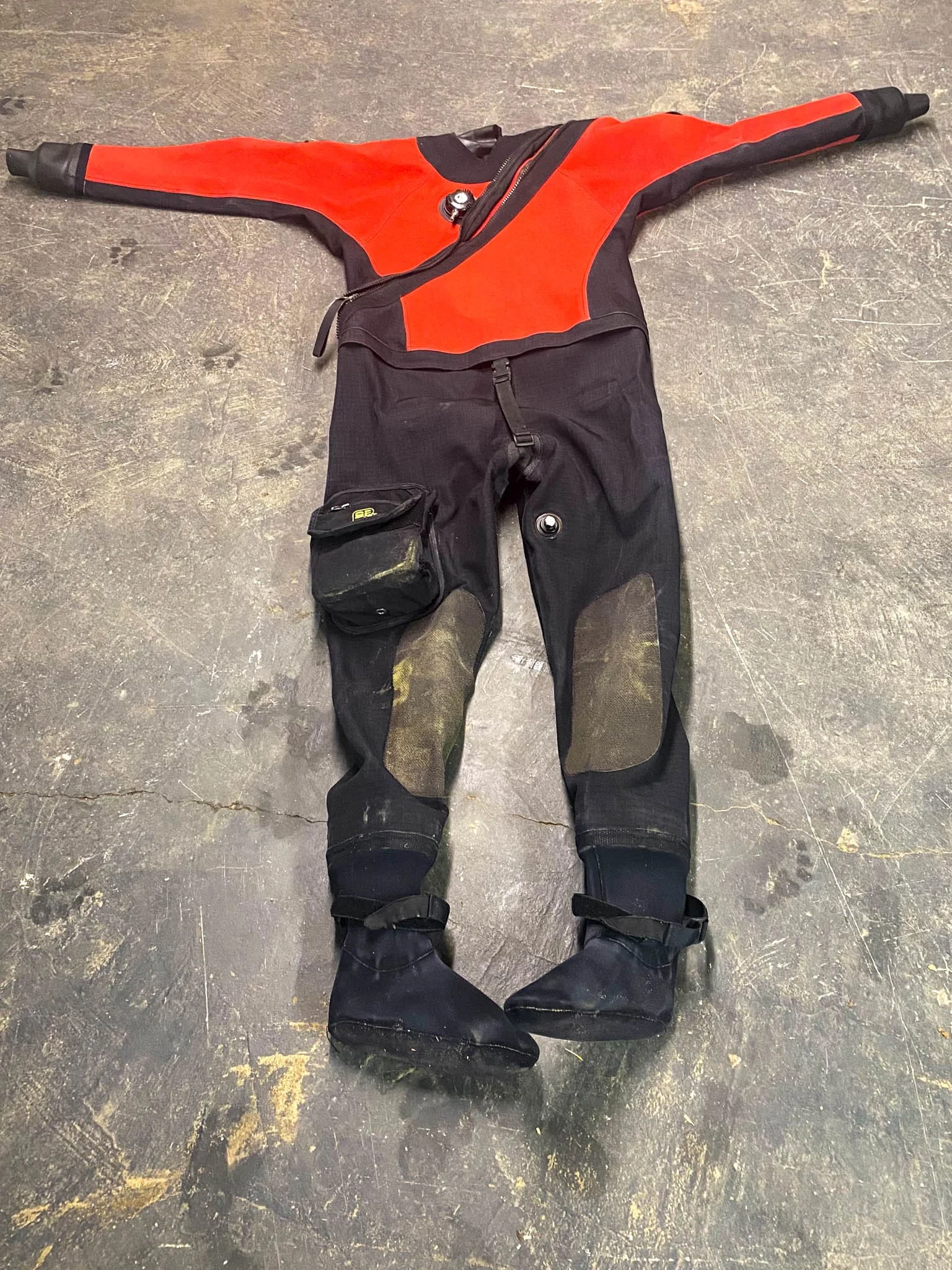
Dry suits are for extreme conditions where the water is freezing and you’re stuck in it for a long time. They’re sealed, insulated, and designed to keep every drop out — something even thicker wetsuits just can’t do.
They’re expensive and bulky, so I only recommend one if you really need it. Wearing a cave suit over the top helps protect it from sharp rock and punctures. It’s not something most cavers will need, but when it’s cold enough, nothing else compares.
Cave Suits
The go-to suit for most cavers. Rugged, durable, and built for abrasion — perfect for gnarly crawls and sharp rock.
COrdura
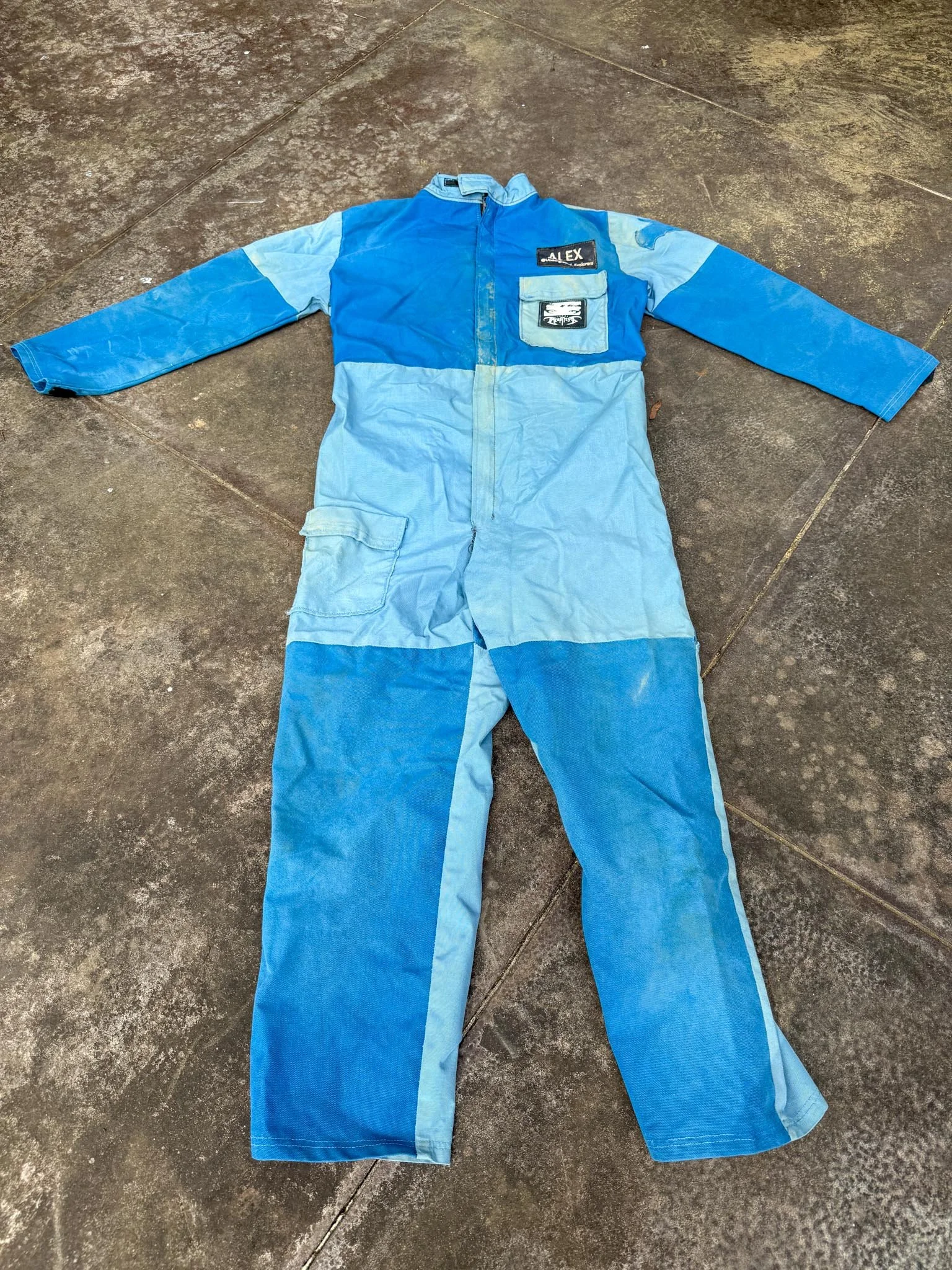
Cordura suits are the standard in caving — abrasion-resistant, lightweight, and built to last. You’ll find cavers wearing them just about everywhere because they hold up through tough crawls, sharp rock, and repeated use.
I like to support the caving community, so I had a custom Cordura suit made by Sophireaptress, who creates high-quality, handmade suits with options for added pockets and embroidery. It’s been one of my favorite pieces of gear — durable, reliable, and personal.
Great for staying clean in wet, muddy caves. Not as tough as Cordura, but solid when keeping your layers dry matters most.
PVC
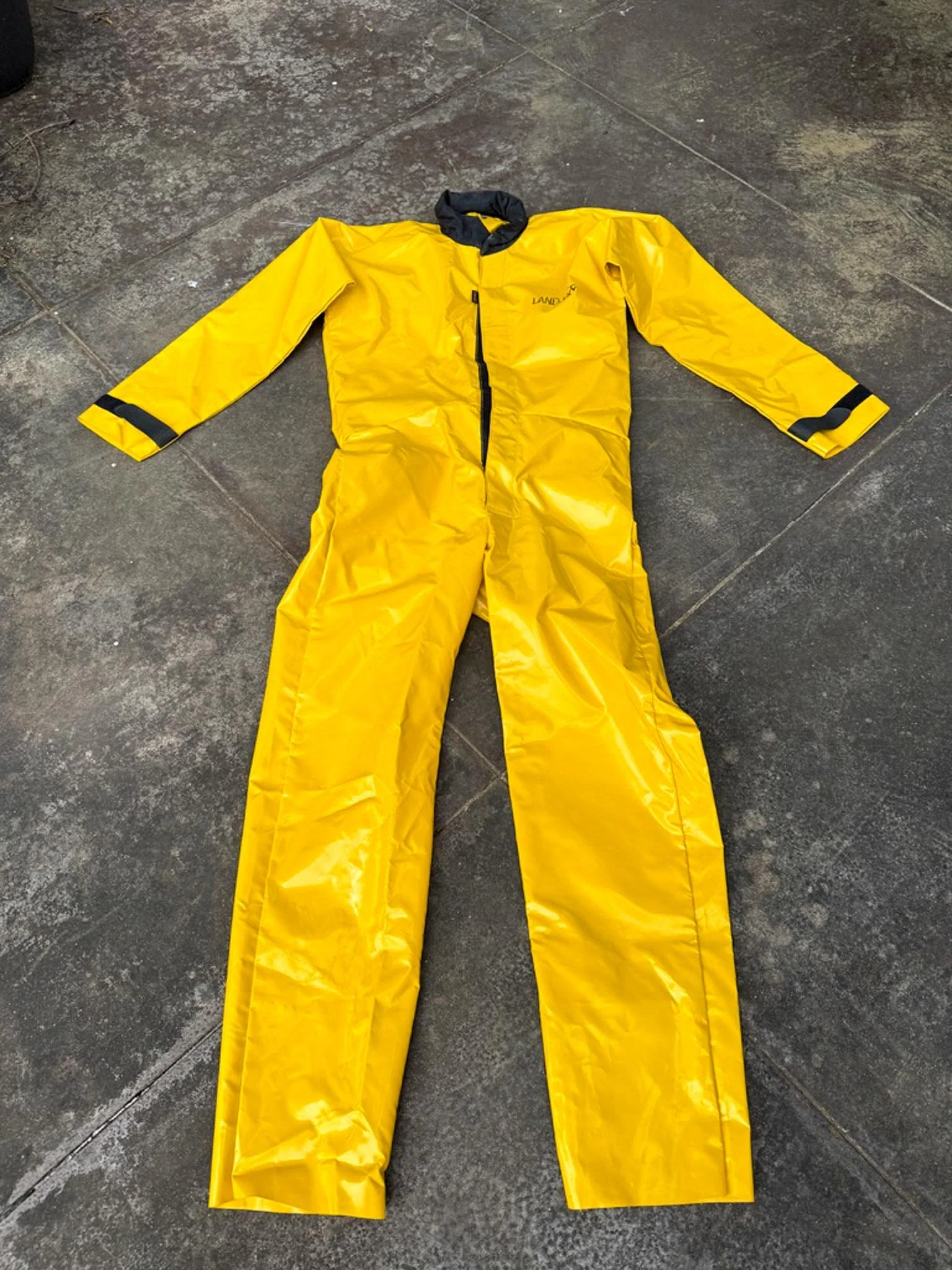
PVC suits are great for mud-heavy caves where staying dry and clean is more important than abrasion resistance. They shed water and mud easily but can trap condensation if you’re wearing warm under layers.
I use a Landjoff PVC suit when I know I’ll be dealing with extended water exposure or nonstop mud. It’s not something I wear on every trip, but for the right cave, it makes the experience way more manageable.
A “hybrid” of Cordura and PVC — flexible, durable, and sheds mud well. Comes in thin or thick options depending on cave temp.
Nylon
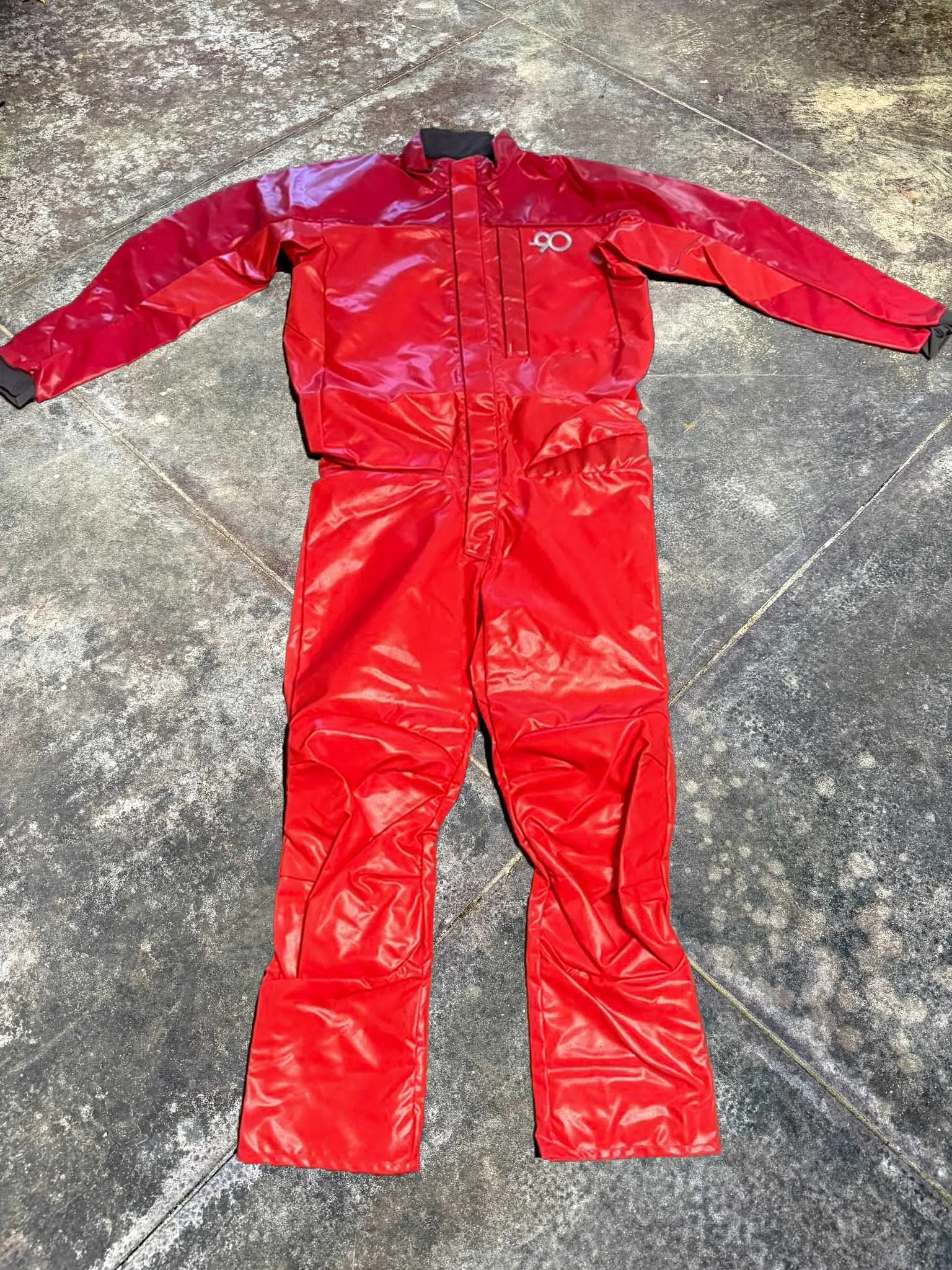
Nylon suits blend the toughness of Cordura with the mud-shedding ability of PVC, making them a flexible and versatile choice. They’re silicone-coated to prevent mud from clogging the fabric and come in lighter or heavier builds depending on the cave environment.
Minus 90 is a standout in this category, they make high-performance nylon suits used in some of the coldest, wettest expedition conditions in North America. If you’re looking for a modern upgrade, nylon is worth a serious look.
Your boots take a beating — whether it’s ankle-deep mud, sharp rock, or long crawls. It’s important to choose the right pair for you.
Cave Boots
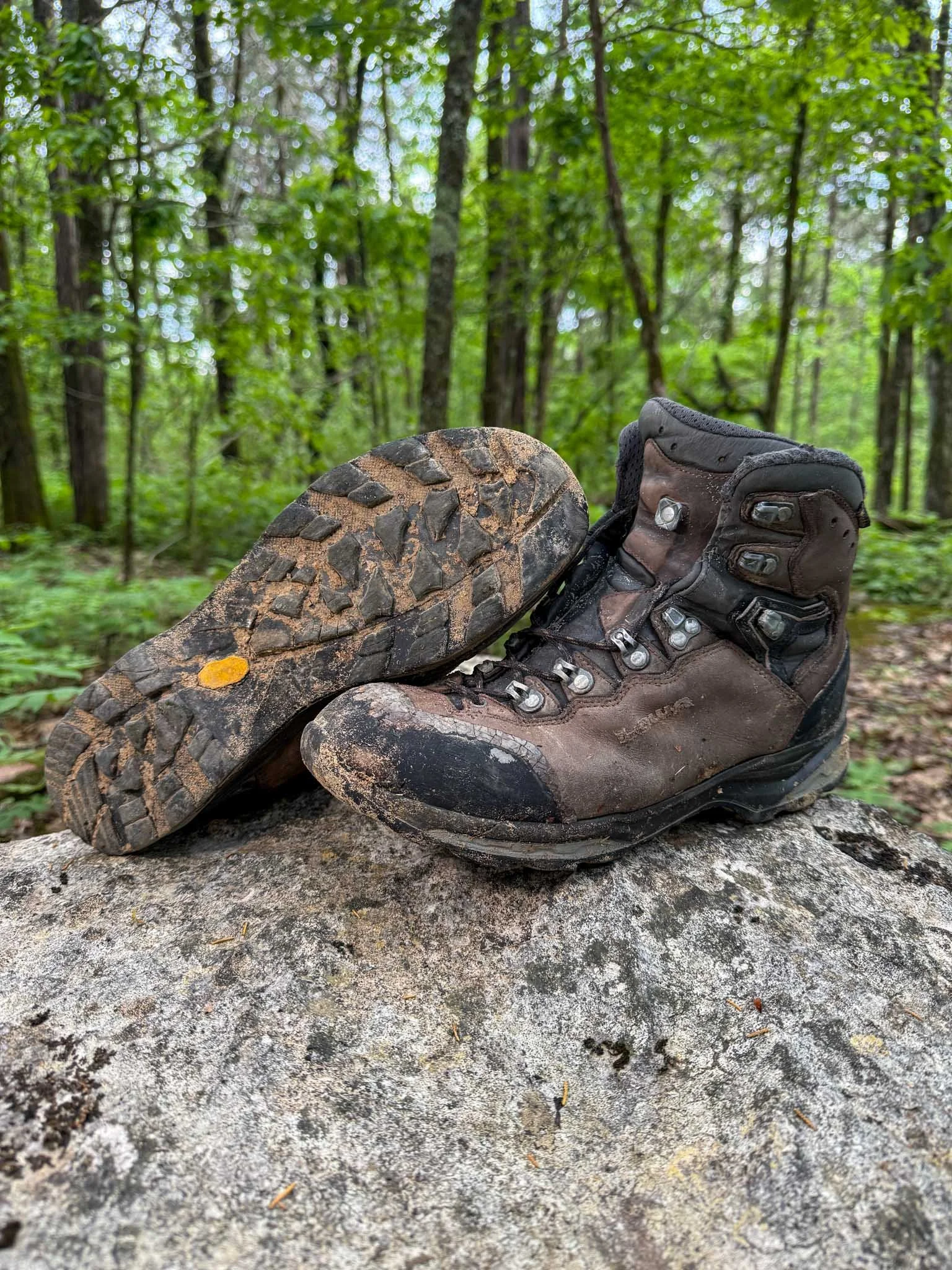
Some cavers swear by wellies — tall, rubber boots that are waterproof, cheap, and easy to replace. They’re solid for mud-heavy caves and shallow water, but they don’t offer much ankle support or a snug fit, and once water gets inside, they tend to stay wet. Others just use the oldest pair of tennis shoes they own.
I personally prefer a good mountaineering boot, and lately I’ve been using a pair from Lowa that I’ve really enjoyed. They’re supportive, have great grip, and fit tight around the foot, which makes them feel way more secure during climbs, crawls, and longer caves. Some pairs are waterproof, but at the end of the day, your feet will probably get wet anyway — so I’d rather have a boot that holds up and performs when it counts.
These save your joints from bruises, cuts, and all the wear that comes with crawling for hours.
Knee and elbow pads
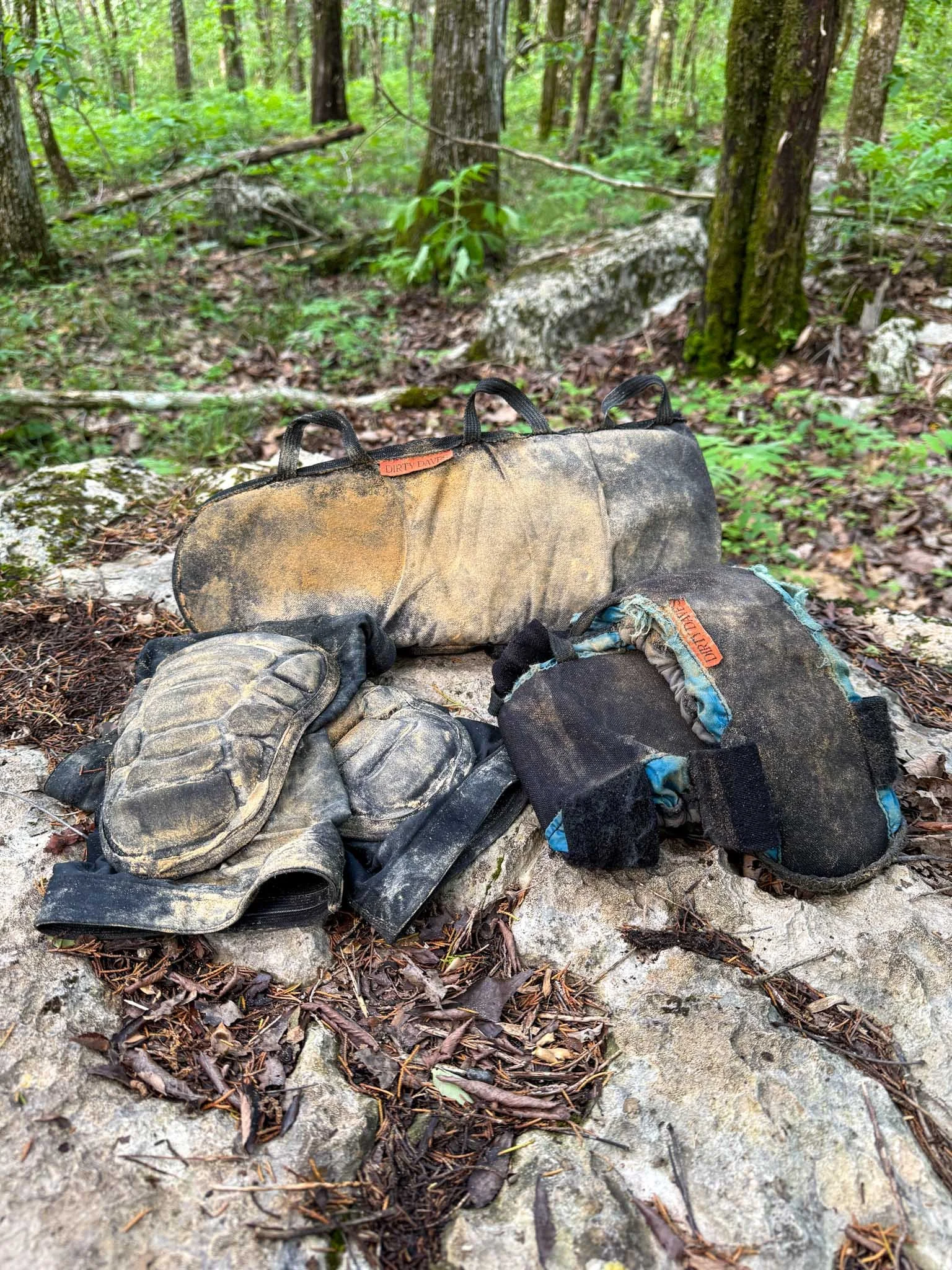
For a long time I used Dirty Daves, and they’re decent if you’re not caving super frequently. But if you’re going caving 3–4 times a week like I do, they tend to break down fast. Their elbow pads hold up a bit better, but I usually skip those if I’m wearing a wetsuit or something that already gives some padding.
Lately I’ve switched to a pair of Klein slide-on knee pads, and they’ve worked surprisingly well. I wear them under my cave suit, or sometimes over my pants and they stay put without shifting. For elbows, I’ve been eyeing volleyball pads, which I’ve heard great things about for long, crawly trips. Simple, padded, and just enough to take the sting out of rough passage.
Cave Bags
Whether it’s a casual trip or an expedition push, having the right bag makes a big difference underground.
Cave Packs

For big trips, I use a Landjoff pack — it’s thick, PVC-coated, and takes a beating without falling apart. While it’s not fully waterproof, it’s perfect for keeping your essentials protected when paired with dry bags or hard cases inside.
For sport trips or surveys, a Swago bag is my go-to. It’s fully waterproof, comes in multiple sizes, and is great for personal loads or lighter outings. Both bags are made by cavers, for cavers, and they’ve earned their spot on my back.
Internal bags make sure your essentials survive whatever the cave throws at you.
Internal bags
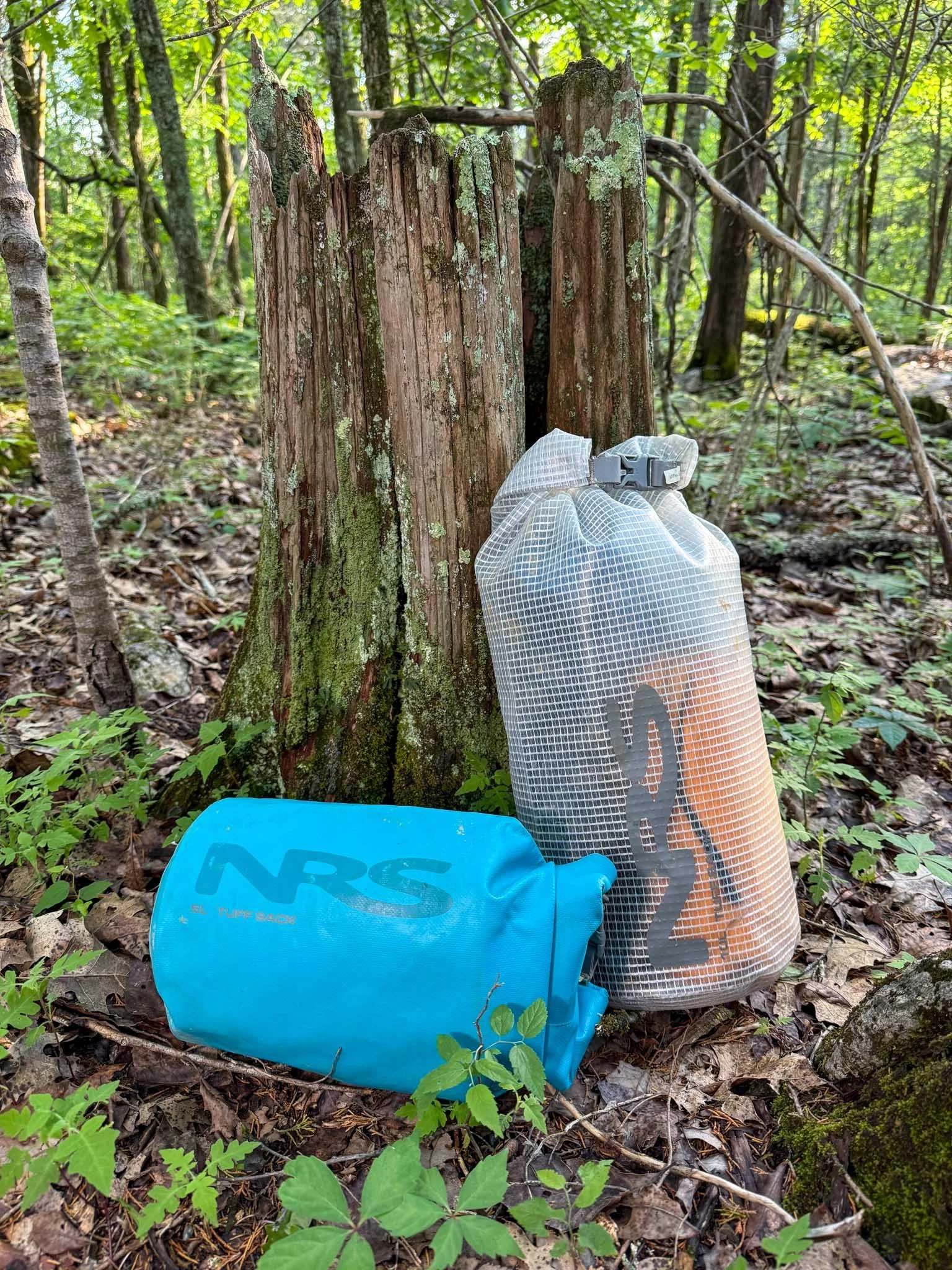
Inside my pack, I usually use NRS dry bags to keep my gear dry. They’re light, durable, and fit well inside Landjoff or Swago packs without adding bulk.
For more sensitive gear — like camera batteries or electronics — I’ll throw in a Pelican case or small dry box. Internal storage is worth every bit of protection.
For when everything goes wrong. A small kit that can keep a bad situation from getting worse.
THe “OH sh*t kit”

I keep my Oh Sh*t Kit packed in a Nalgene bottle filled with emergency supplies I hope I never need. Inside is a little bit of everything: extra food, electrolytes, a garbage bag “TAG wetsuit”, candles, a lighter, a thermal blanket, a poncho, hot hands/toes, glow sticks, spare batteries, and an extra headlamp. It’s lightweight, compact, and built for worst-case scenarios — like getting soaked, cold, or stuck longer than expected.
If you’re freezing, you can light candles, wrap up in the garbage bag or poncho, and trap the heat around your body with your head sticking out. It’s not pretty, but it works. Everyone should carry one — it can buy you time, warmth, and peace of mind. Bonus tip: wrap the bottle in duct tape a few times for some last resort gear repair tape.