

Explore gear
The Expedition HQ
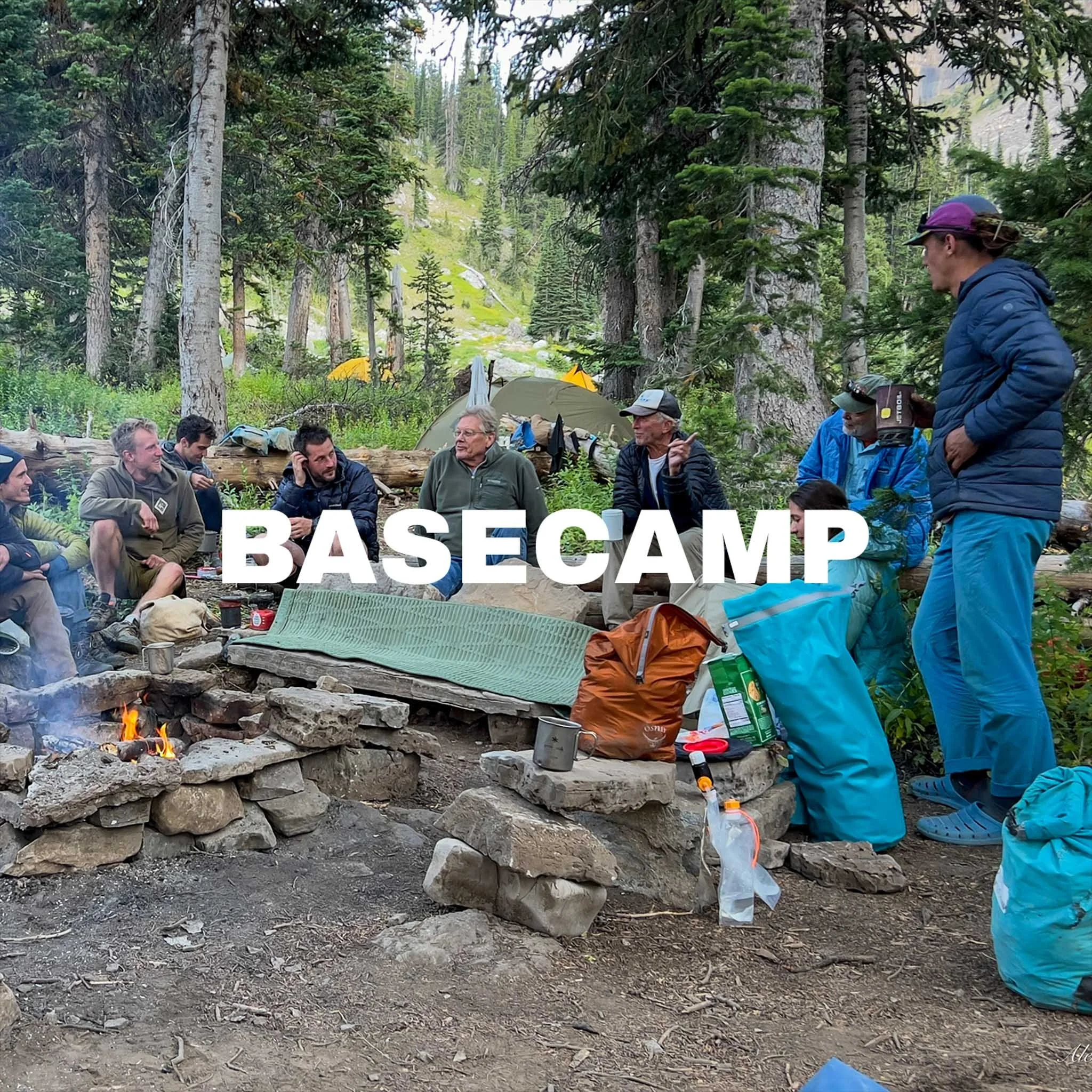
Basecamp
The best tent is no tent… but when the bugs, rain, or cold say otherwise, I pack one.
Tents
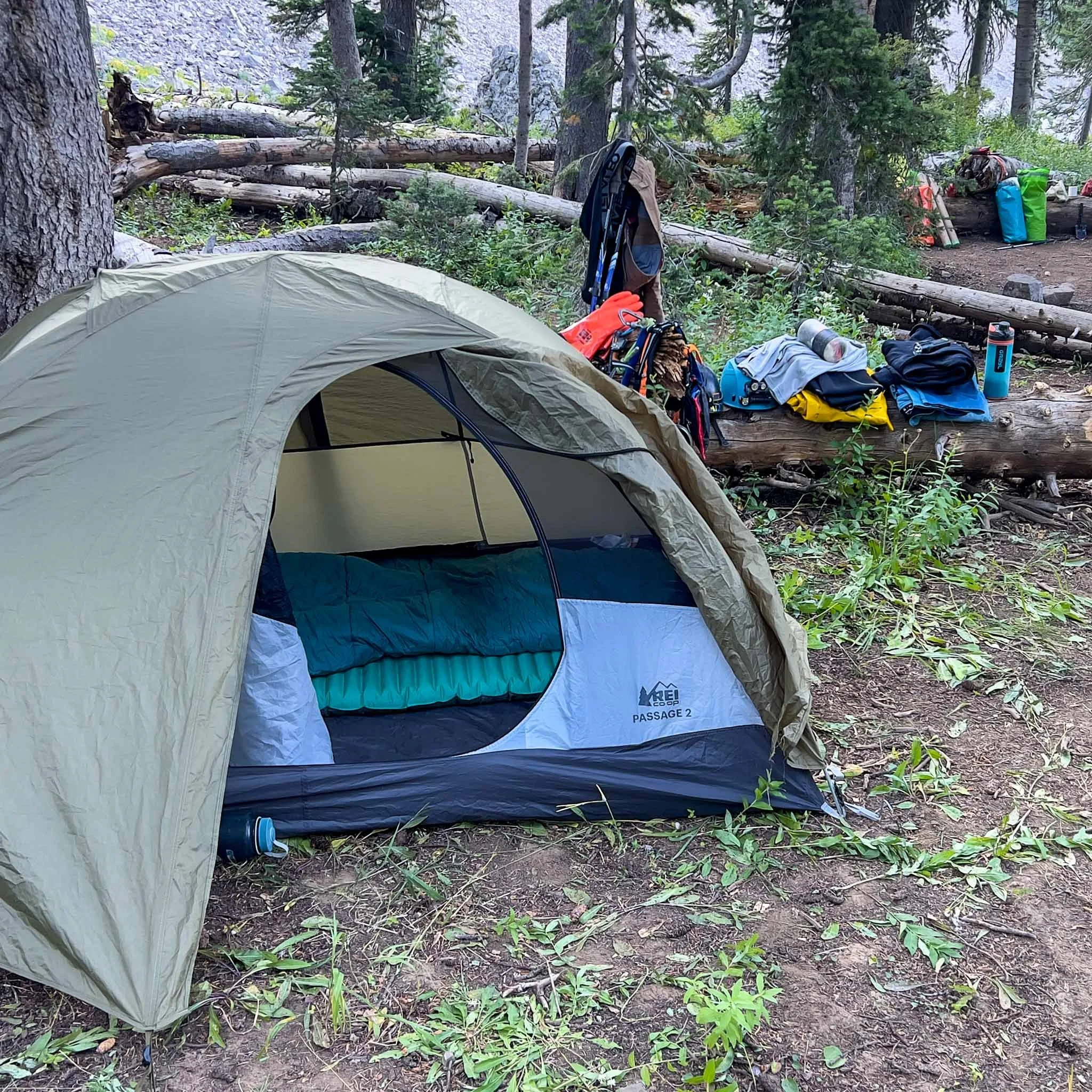
I’ve used the REI Passage 2 for years, and it’s been solid — especially when I’m setting up surface camp near caves or after a long approach. It’s not the lightest setup, but it’s roomy, easy to pitch, and holds up in the rain. Sometimes I’ll skip the tent entirely and just cowboy camp if the weather’s right, because nothing beats sleeping under the stars after a long day in the field.
That said, I’ve been thinking about switching it up — something lighter for alpine approaches and longer hikes. I’ve looked into bivvy sacks and ultralight tents like those from Big Agnes, but I haven’t pulled the trigger yet. At the end of the day, use whatever works for your style and your terrain. My setup’s a little heavier, but it’s what I’ve got — and it gets the job done.
Sleeping essentials
Keeps you warm, cushioned, and off the unforgiving ground.
Sleeping pads

For most trips — including cave camp — I use the Klymit Static V. It’s lightweight, compact, and has a simple design that still feels super comfortable. My sleeping bag usually does most of the warmth work, so this pad strikes a good balance for three-season use.
When things get colder, I switch to an insulated Therm-a-Rest pad. They don’t make the one I use anymore, but it’s a blow-up style that packs down small and often comes with its own pump sack. It’s cozy, durable, and adds a nice buffer between you and the cold ground — a small upgrade that makes a big difference.
Your bed in the wild — warmth and survival in one bundle.
Sleeping bags
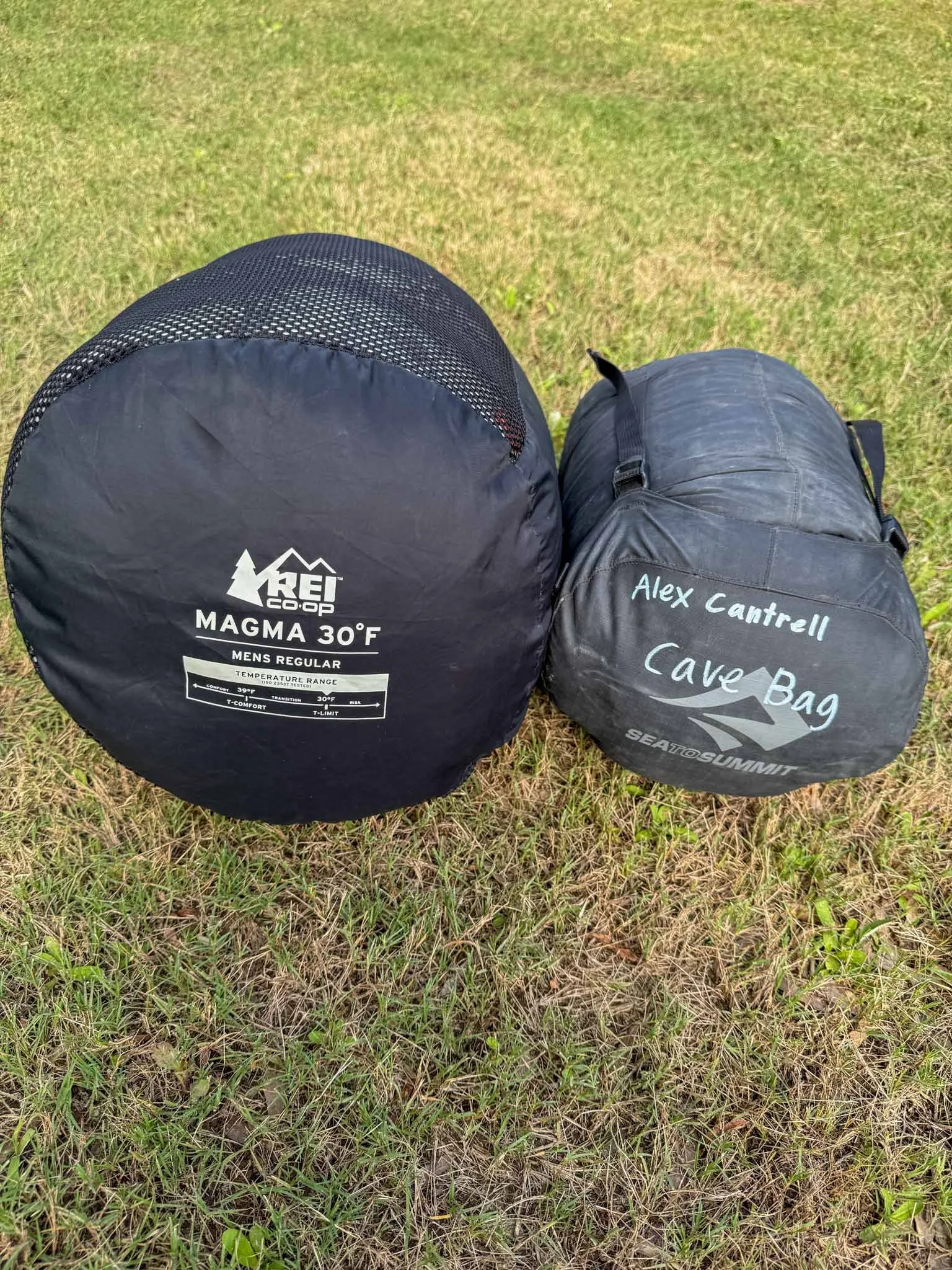
Usually, I use the REI Magma 30, a compact down bag that’s insanely light, warm, and packs down tiny. It’s perfect for three-season camping, and I always pair it with a liner to keep it clean and boost warmth a bit. For cave trips or colder nights, though, I switch things up.
My go-to for underground is the Mountain Hardware Bozeman 0° — synthetic, warm even when wet, and tough enough to get dirty without regret. It’s bulkier than the Magma, but for cave camp or cold cowboy camping, it’s a solid, budget-friendly option that holds its own in rough conditions.
A small luxury that makes a big difference after a long day.
pillows
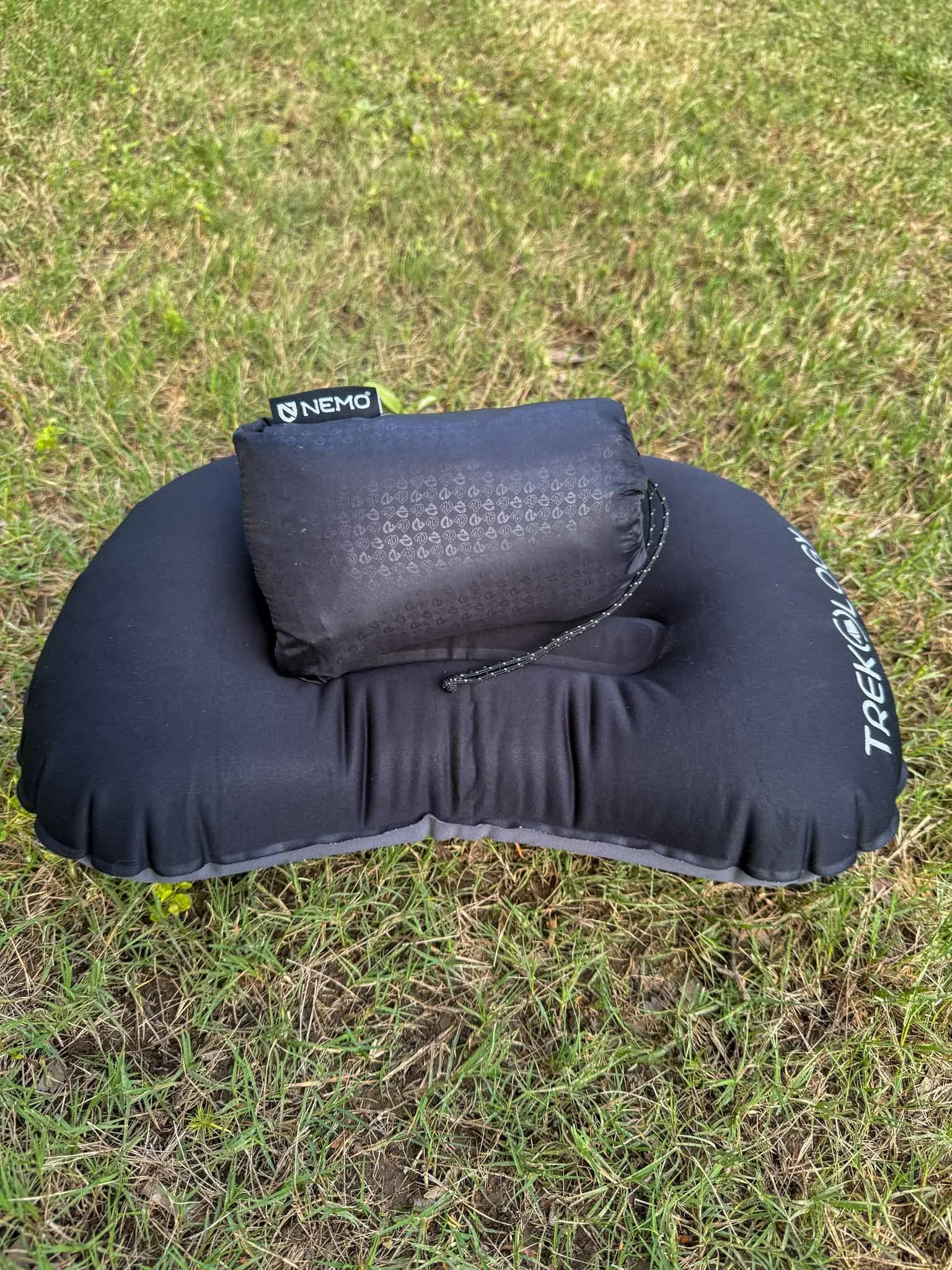
When space is tight, I still reach for the Trekology Ultralight. It’s super compact, inflates with a single breath, and gets the job done on shorter or lighter trips. It’s nothing fancy, but for the size and weight, it’s a solid pillow to keep in your kit.
That said, I’ve fully converted to the NEMO Fillo when I’ve got the room. It’s an inflatable pillow with a thin foam layer on top — and it’s a game changer. It’s about four to five times the packed size of the Trekology, but the comfort is worth every bit of space. If I can bring it, I do. I miss it when I don’t.
Camp Kitchen
From ramen bombs to rehydrated meals, cookware is how you turn boiling water into fuel
COOkware

When it comes to cookware, I’ve been running the Sea to Summit X-Set 21, and while they don’t make it anymore, their whole line is still super solid. It’s compact, lightweight, and has held up on trips where every ounce counts. Honestly though, depending on how minimalist I’m feeling, I’ve also just cooked straight inside a JetBoil — not the most glamorous setup, but it works when you’re just trying to refuel and move on.
At the end of the day, you don’t need a full kitchen setup — you just need something that works and doesn’t add a ton of bulk. Sea to Summit is great for backpack-style cooking, and if you’re trying to go ultralight, JetBoils and titanium setups can cover both heating and cooking in one.
The bare minimum lifeline. Whether it’s a stream or a seep, filter it or forget it.
Water
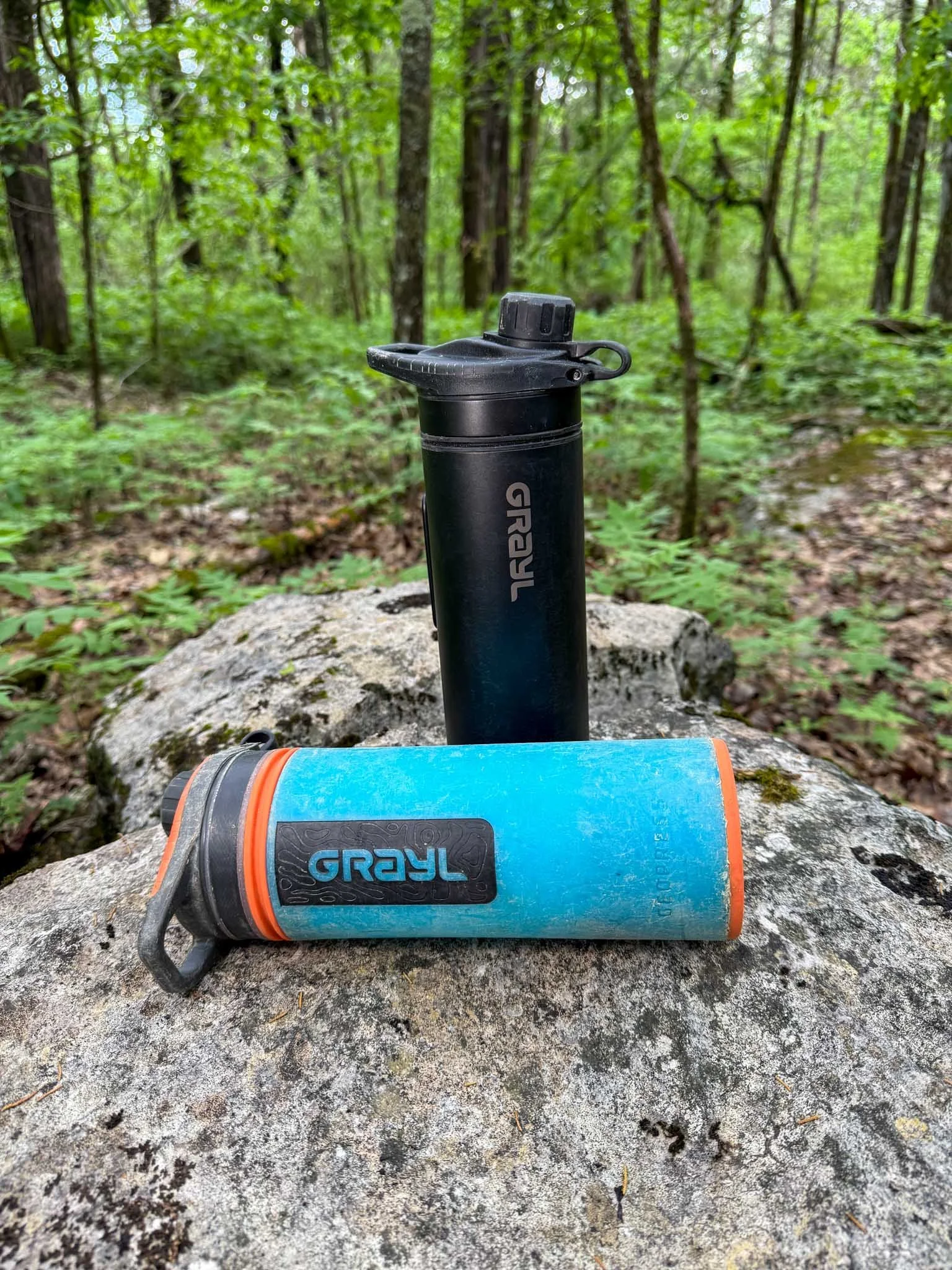
Clean water is non-negotiable — whether you’re boiling up a meal, rehydrating after a long push, or just trying to stay functional at camp. I use the GRAYL Ti Geopress, which I’ve had out on a few trips now, and I’m already obsessed with it. It’s lightweight, rugged, and pulls double-duty as both a filter and a cook pot, which makes it perfect for camp setups where every piece of gear has to earn its place. Above or below ground, it’s been one of my favorite upgrades this year.
It works as a bottle, a purifier, and a minimalist cooking setup all in one. Pair it with a small stove and you’ve got everything you need for tea, dehydrated meals, or clean water on the fly — no extra pots or filter pumps needed. Simple, efficient, and built like a tank.
Your pocket-sized kitchen. Fire up a JetBoil, Pocket Rocket, or whatever gets the meal hot and morale higher.
Stoves
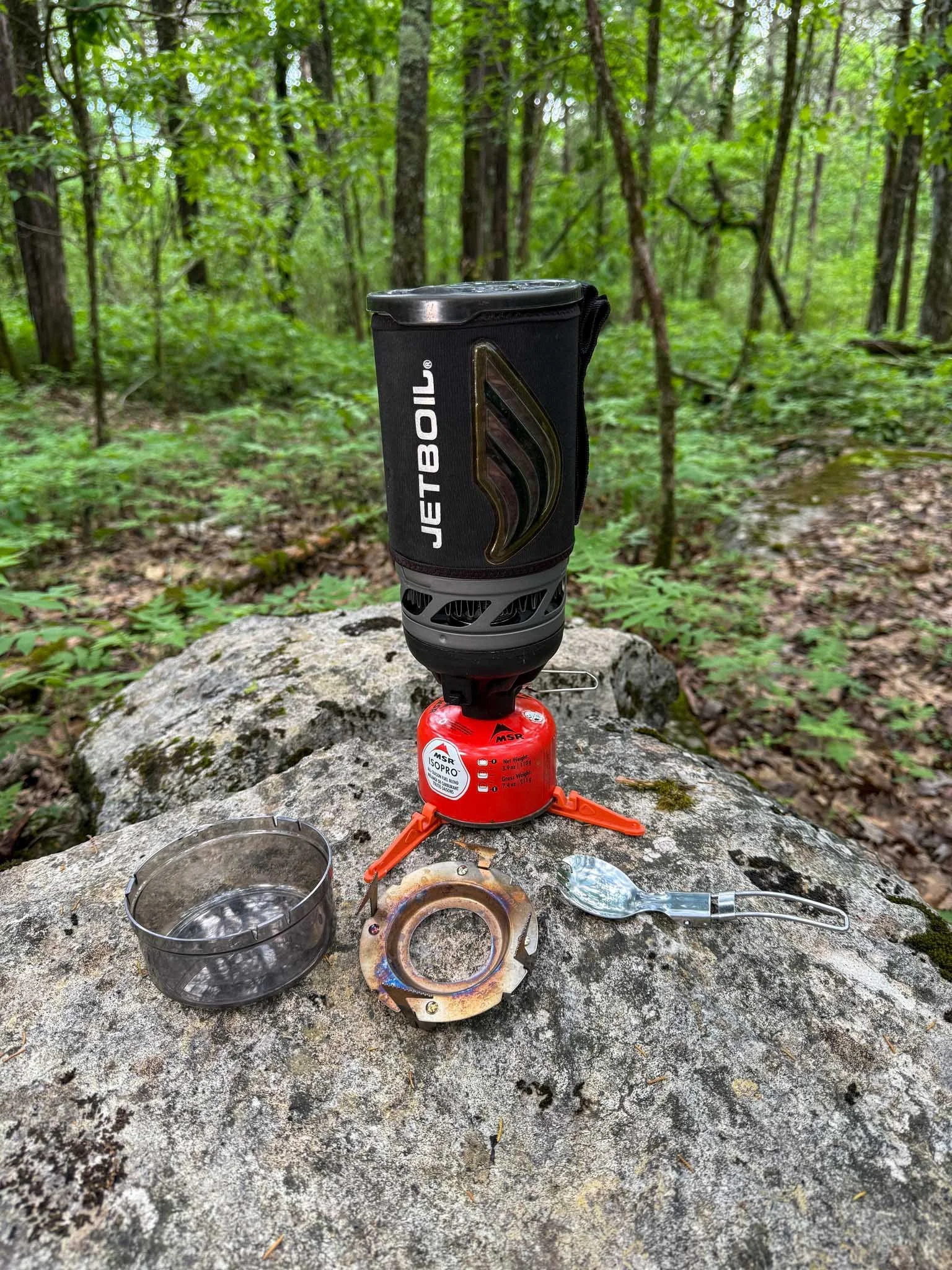
For most of my trips, I use the JetBoil Flash — it’s dead simple, super fast, and has a heat indicator that tells you when your water’s boiling, which is a small thing that ends up being super helpful. It’s great for camp meals, cave camps, or just getting tea going fast when you’re groggy, wet, and need something warm in your system.
For more casual trips or lightweight setups, I also like using a Pocket Rocket, especially paired with the Grayl Ti. Whether I’m boiling water for tea, dehydrated meals, or just getting warm underground, it’s hard to beat that combo. The Pocket Rocket is small, easy to set up, and just gets the job done without overthinking it.