

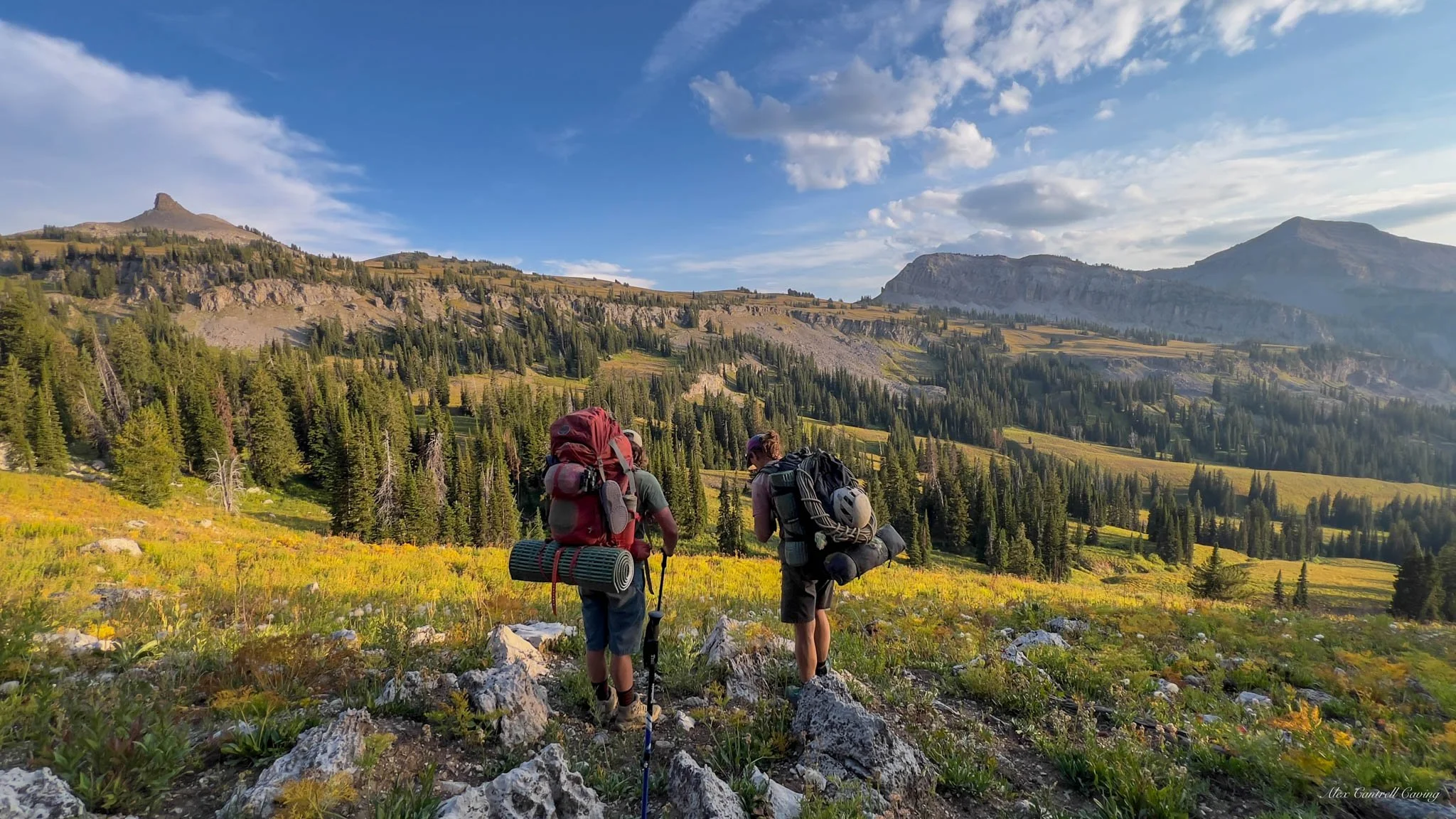
Gotta get there somehow
THE APPROACH
Gear guide
The carry-all for ridge walks and multi-day approaches.
Backpacking bags
Osprey packs
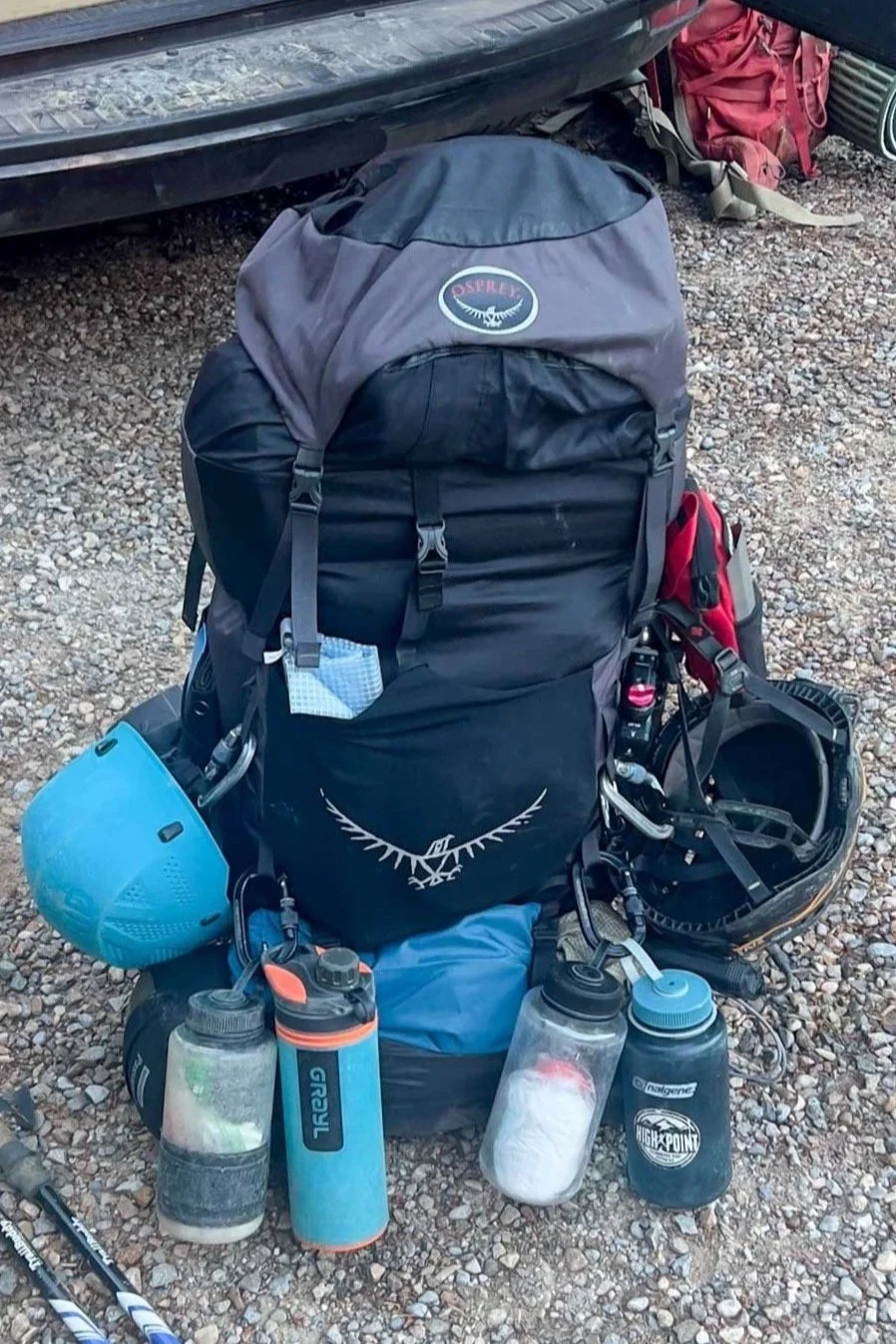
I’ve used Osprey packs for as long as I can remember, not just in the field, but in my everyday life. When it comes to backpacking and hauling gear, every one of my bags has been made by them. Their durability and smart design make them my go-to whether I’m trekking to a ridge or loading up for a multi-week expedition. Getting to the entrance of a cave is often half the battle, and Osprey packs have always delivered.
The right shoes make or break your approach
Hiking Shoes
Adidas Men’s Terrex Free Hiker 2.0

I’ve been using these game changers on long approaches. The built-in gaiter collar keeps dirt and debris out when I’m slogging through brush or scrambling on scree, and the comfort holds up even under a fully loaded pack. I’ve pushed these shoes hard over uneven terrain without a single blister, and the Continental rubber soles grip whether the ground is wet or dry.
Layers
Your first line of defense. Thermals and socks keep you warm, dry, and moving when conditions get rough.
Base layer
01
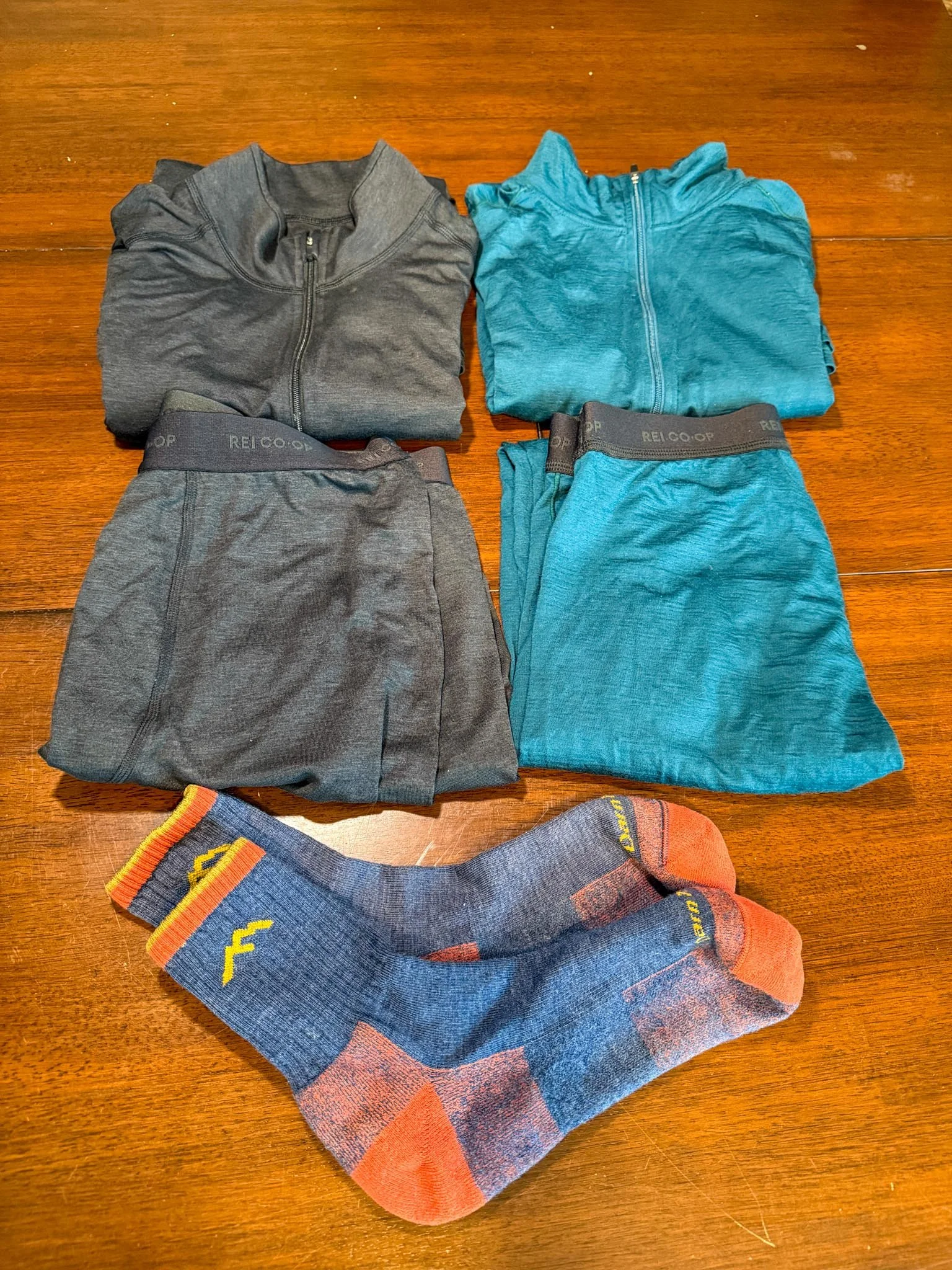
I keep it simple: rotating between merino wool and synthetic depending on the trip and climate. Merino is my go-to for warmth and odor resistance, though synthetics hold up better in wet, active conditions. For socks, I swap between Injinii, Darn Tough, or Hollow, depending on what’s needed
The flexible comfort zone. Sun hoodies and zip-offs that adapt as you gain elevation or hit the heat.
Mid layer
02
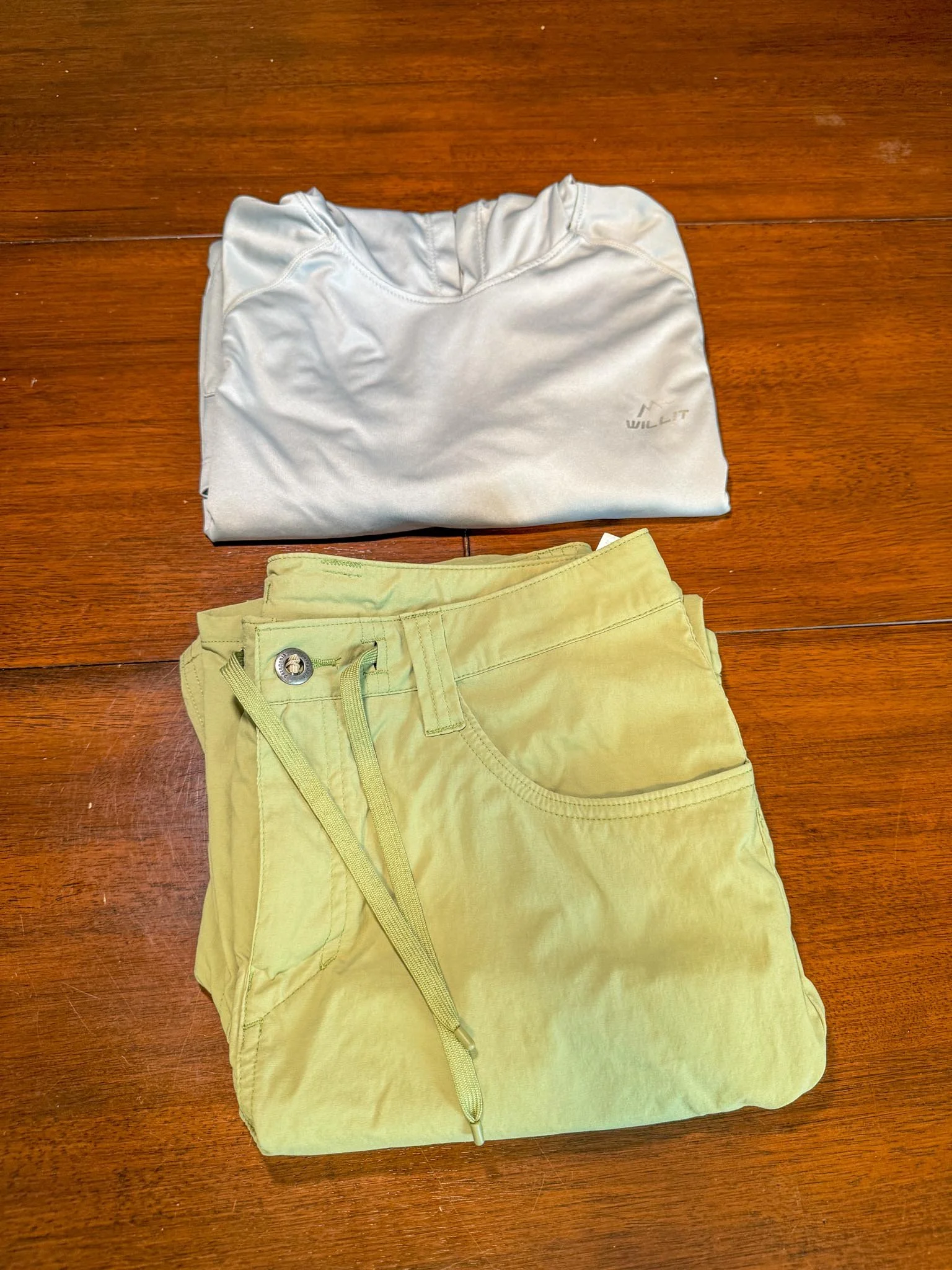
I’m a big fan of sun hoodies; whether it’s a Patagonia or a cheap find, they breathe well and dry out fast. For pants, I go with zip-offs when I need options, though cheap finds work well without worrying about tearing up something expensive.
Your weather armor. Puffies and rain shells keep the cold and wet where it belongs, outside.
Outer shell
03
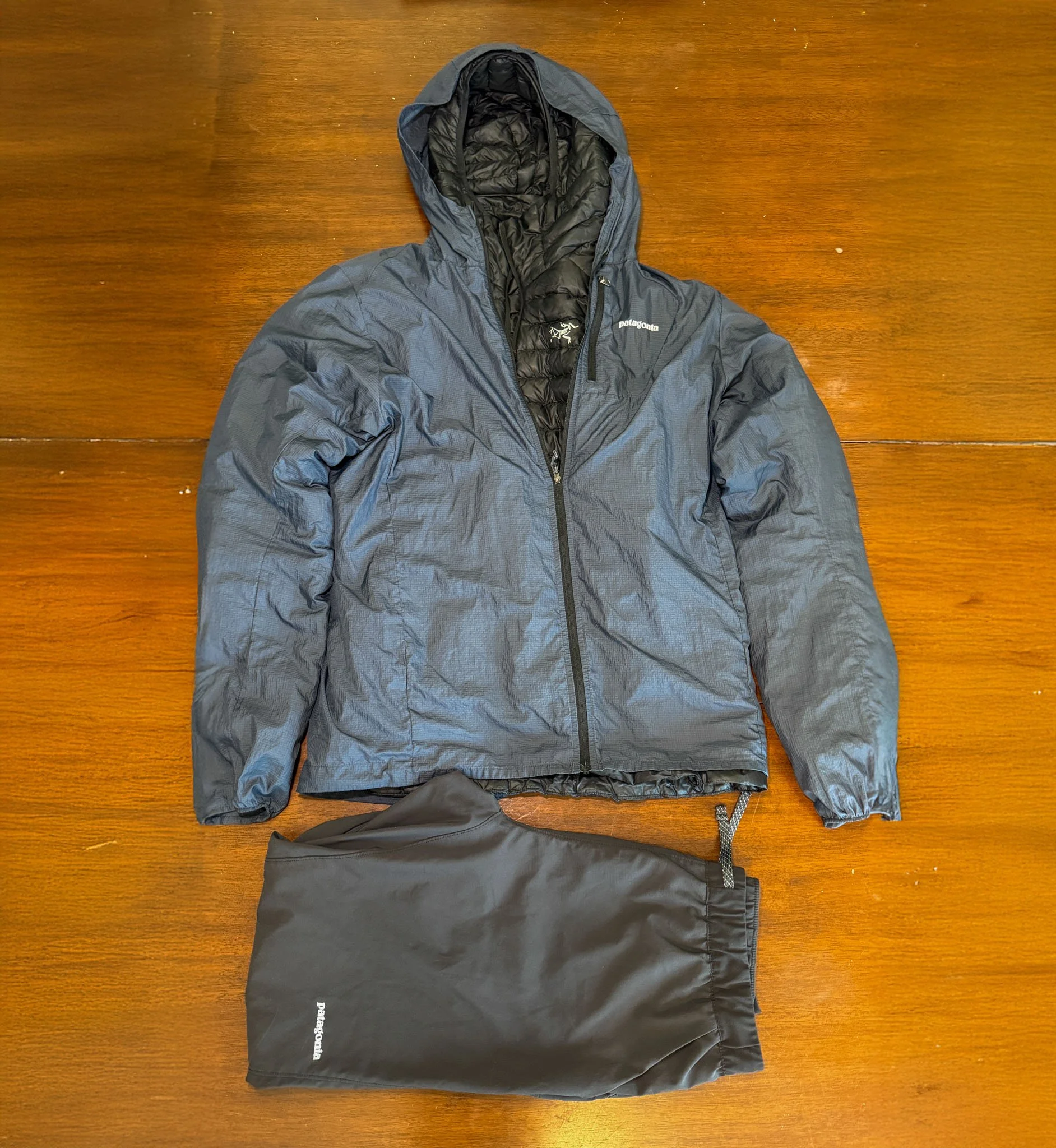
This is the layer that matters when weather rolls in or temps drop. I use a Patagonia Houdini for most conditions — it’s light, windproof, and packs down to nothing. For colder trips or cave camps, I bring an Arc’teryx puffy, which adds warmth without bulk. If it’s going to be wet, I’ve also used The North Face rain jackets and Patagonia’s hiking rain pants to stay dry without overheating. I don’t carry a hard shell on every trip, but when I do, it’s because the conditions call for it — and I want to be ready.
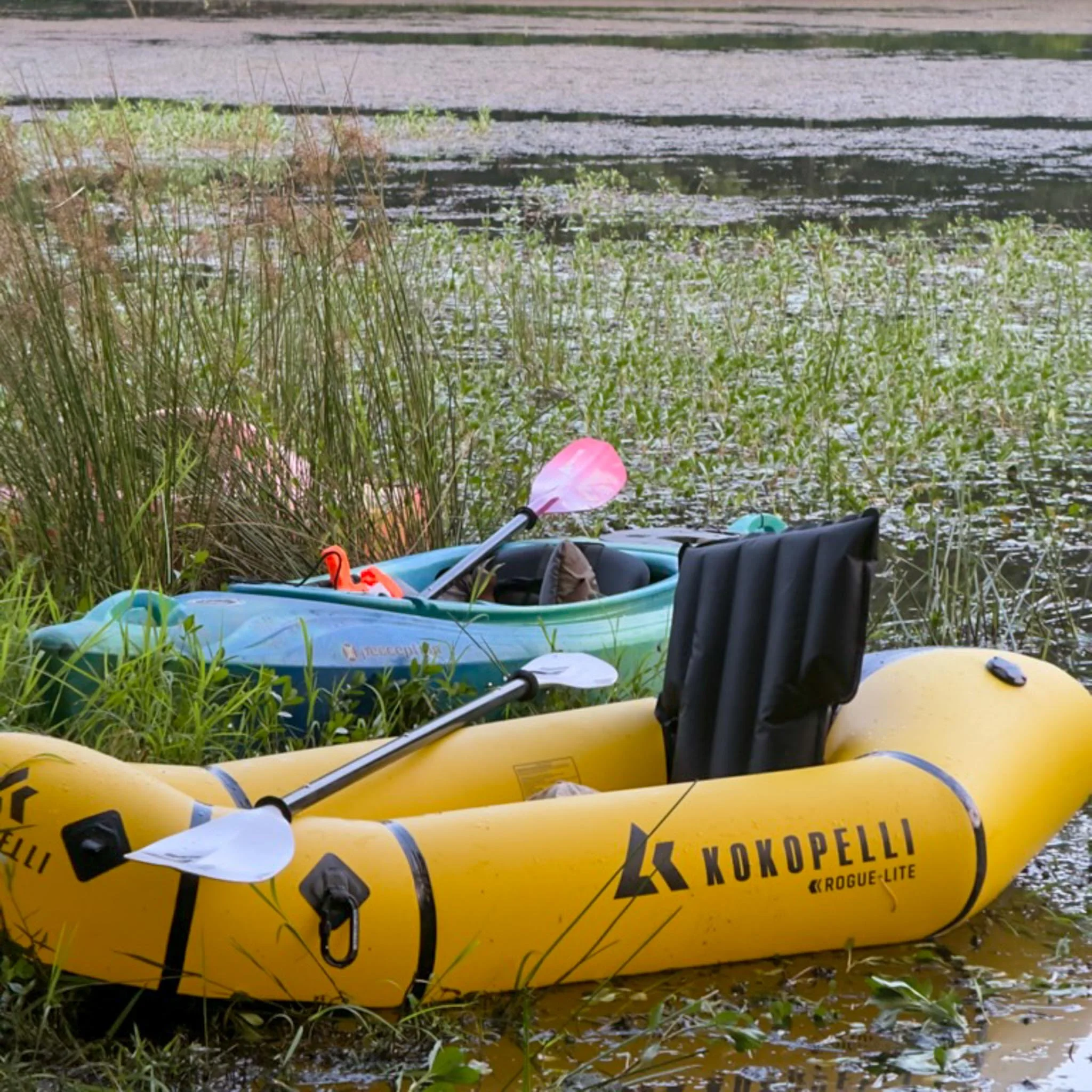
Whether you’re floating out of a canyon, crossing an unruly river, or just reaching a hard-to-access spot — a packraft turns water into a highway.
Packrafts
I’ve been using Kokopelli Packrafts, and they’ve quickly become one of the most useful tools in my kit. Whether I’m crossing a lake to reach a remote cave entrance or floating through a subterranean river, they’ve made the journey possible. These boats pack down small, weigh almost nothing, and are way easier to manage than a full-sized kayak.
Setup is fast, the ride is stable and surprisingly comfortable, and they’re tough enough to take a beating. Different models are rated for different environments — from calm lakes to serious whitewater — so it’s worth choosing the right one for your goals. If you’re looking for a way to turn water into a shortcut, this is it.